Learning to drive is a pivotal moment that marks a teenager’s journey toward independence, yet beneath the excitement lies a complex mix of nerves and self-doubt. How can parents and instructors transform this daunting experience into one of confidence and growth? This guide explores how small successes, patient support, and emotional resilience can turn anxiety into mastery. It emphasizes the importance of foundational skills, mental preparation, and exposure to diverse driving environments to build trust and competence. Real stories of perseverance highlight that confidence is a gradual process fueled by persistence and positive reinforcement. Looking ahead, technological advancements like driver-assistance features, virtual reality, and digital coaching are revolutionizing driver education—promising safer, more engaging ways for teens to conquer their fears. But will technology widen disparities or truly empower young drivers? As the road to independence unfolds, fostering confidence while navigating these innovations is more crucial than ever.

Building Teen Confidence Behind the Wheel
Learning to drive is one of those milestones that signals a big step toward independence for teens. But behind the excitement often lies a mix of nerves and uncertainty. Sitting behind the wheel for the first time can feel like stepping into unfamiliar territory, with a racing heart and a mind full of questions. It’s normal to feel overwhelmed or hesitant as they begin to navigate this new responsibility.
The challenge isn’t just about learning how to operate a car; it’s about building trust in their own abilities and staying calm amid unpredictable situations. Many teens worry about making mistakes, causing accidents, or simply not feeling ready. Recognizing these emotional hurdles is key for parents and instructors aiming to support their teen’s journey. Small successes—like a smooth turn or confident parking—serve as important milestones that gradually turn anxiety into confidence.
Support and encouragement from caregivers play a vital role in this process. When teens receive patience and positive reinforcement, they’re more likely to stay motivated and resilient. Celebrating every small win helps reinforce their progress, making the learning experience feel less daunting and more achievable. Over time, these moments build a sense of trust in their skills, transforming driving from a source of stress into a skill they can master.
Understanding that confidence doesn’t develop overnight is essential. Every practice session, every mistake corrected, adds to their growing sense of control. Exposure to different environments—quiet neighborhoods, busy intersections, highways—helps teens become familiar with a range of driving conditions. This repeated experience chips away at hesitation and builds a steady foundation of trust and competence.
The emotional aspect of learning to drive is just as important as the technical. Techniques like deep breathing, visualization, and setting small, manageable goals help teens manage anxiety and stay focused. When they see tangible signs of progress, their belief in their abilities deepens, paving the way for safer, more confident driving. With patience and support, teens can turn their initial nerves into a quiet confidence that fuels their journey toward independence.
Laying the Foundations of Safe Driving
Learning to drive begins with understanding the essential principles that keep everyone safe on the road. Teens need to familiarize themselves with traffic laws, signs, and markings—these form the foundation for responsible driving. Recognizing and quickly interpreting road signs becomes second nature with practice, creating a mental map that guides every decision they make behind the wheel. Alongside legal knowledge, developing good observation habits like checking mirrors regularly and scanning ahead helps drivers stay aware of their surroundings, reducing surprises and building trust in their ability to handle different scenarios.
Physically, new drivers must learn to operate the vehicle smoothly and confidently. This involves steering accurately, braking gently, and accelerating steadily. These actions can feel awkward at first, but repeated practice turns responses into instinct. Starting in low-pressure environments like empty parking lots allows teens to focus solely on their coordination without the chaos of traffic. As they repeat basic maneuvers, their responses become more natural, and their sense of control increases. Building this physical foundation is crucial because confident driving depends on both skill and comfort with the vehicle.
Mentally, preparing for driving involves cultivating focus, patience, and emotional regulation. Teens should learn to stay calm, even when distractions arise or situations become unpredictable. Developing a mindset of patience helps resist rushing or frustration, which can lead to dangerous mistakes. Building mental resilience is just as important as physical skill because confident driving requires a clear, focused mind capable of handling the unpredictability of real roads. Breaking learning into manageable stages—starting with simple tasks and gradually increasing complexity—makes the process less overwhelming and more achievable.
Consistent practice exposes teens to a variety of environments—residential streets, highways, busy intersections—helping them become familiar with different driving conditions. This repeated exposure diminishes hesitation and fosters a sense of trust in their skills. Each successful maneuver, whether a smooth turn or a confident parking, reinforces their progress. When teens see tangible signs of improvement, their confidence naturally grows, encouraging them to take on more challenging situations with ease.
Effective teaching techniques also support this learning journey. Clear, simple instructions combined with positive reinforcement keep teens motivated and engaged. Breaking down complex maneuvers into smaller steps reduces anxiety and makes progress feel manageable. Encouraging a supportive environment where mistakes are viewed as part of learning helps teens develop resilience and a growth mindset. As they build their skills through steady practice, they lay the groundwork for safe, independent driving, ready to face whatever challenges the road may bring.
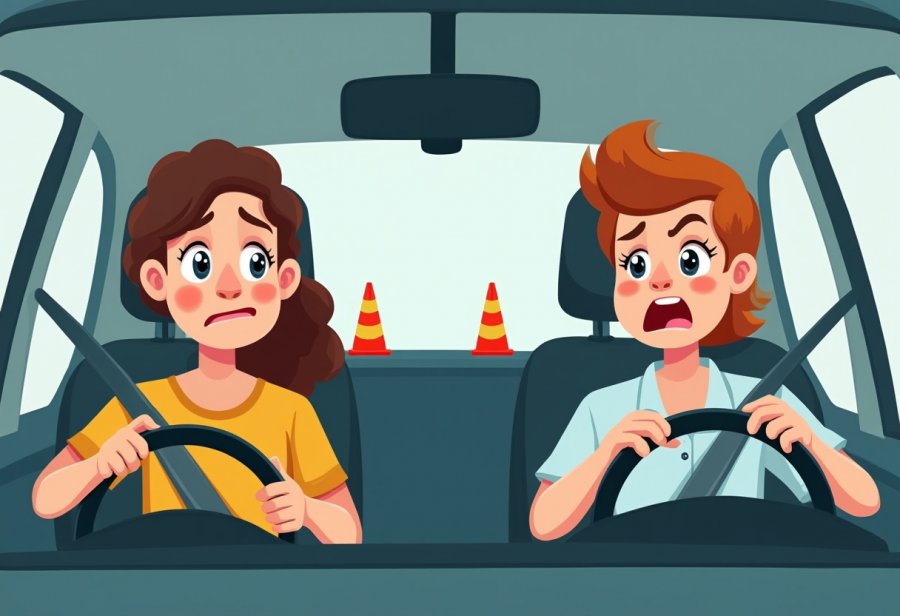
Converting Anxiety into Calm Confidence
Transforming nerves into confidence is about shifting how teens perceive their driving experience—from something daunting to something within their control. Simple techniques like deep breathing and visualization are powerful tools that can make a real difference. Taking a moment to breathe slowly and deliberately before or during driving helps calm racing hearts and clears the mind, making it easier to focus. Visualizing successful drives or imagining handling challenging situations with ease builds mental preparedness, helping teens stay composed when it counts.
Starting in quiet, familiar areas and gradually progressing to busier streets creates a natural build-up of confidence. This step-by-step exposure reduces feelings of being overwhelmed and allows nerves to fade, replaced by a sense of readiness. Each time they succeed—whether making a smooth turn or parking without stress—they reinforce their belief that they are capable. Recognizing these small wins is key; they serve as proof that progress is happening, even if it’s gradual.
Setting achievable, specific goals for each practice session keeps motivation high. Celebrating these small victories, like navigating a tricky intersection calmly or merging smoothly onto the highway, shifts their mindset from cautious to confident. These moments of success help teens see driving as a skill they’re mastering, not just a stressful task to endure. Reinforcing this belief encourages persistence and resilience, which are essential for long-term confidence.
Support from parents and instructors amplifies these efforts. When they acknowledge even minor improvements—saying things like “You handled that roundabout really well”—it boosts self-trust and motivation. Feeling appreciated and supported makes teens more willing to face their fears and take on new challenges. This encouragement helps transform hesitation into a quiet confidence that grows with each experience.
Normalizing fears and concerns also plays a vital role. Many teens worry about making mistakes, but understanding that nerves are a normal part of learning can ease the burden. Sharing stories of others who faced similar struggles and improved through practice helps them see setbacks as temporary. Knowing they are not alone in their feelings makes it easier to stay committed to the process.
Confidence isn’t built overnight; it’s a gradual process rooted in patience, repeated effort, and positive reinforcement. When setbacks occur, guiding teens to view mistakes as opportunities for growth keeps their motivation alive. Focus on progress rather than perfection helps develop resilience, turning nerves into a quiet trust in their abilities. Over time, this mindset transforms driving from a source of stress into a source of pride and independence, enabling teens to face the road ahead with calm assurance.
Real Stories, Practice, and Growing Trust
Building confidence through experience often comes from hearing real stories of teens who faced their fears and came out stronger. Many young drivers recall their first solo drive—the mix of excitement and nerves—and how those feelings gradually faded as they practiced more. Hearing peers share their struggles with busy streets or highway merging helps normalize the journey, showing that confidence isn’t built overnight but through steady effort and perseverance.
Support from family and friends plays a crucial role in these stories. When teens open up about their worries and receive encouragement, it reinforces that they’re not alone. Parents who patiently guide their teens through multiple drives, celebrating small wins like smooth turns or calm stops, turn those moments of anxiety into pride. Practicing with friends can also create a sense of camaraderie, making the learning process feel less isolating. These shared experiences become stepping stones where each minor success boosts the teen’s belief that they can handle more.
Repeated exposure to different driving environments helps teens develop familiarity and trust in their skills. A teen might start out avoiding highways but gradually build up the courage to merge after several sessions. Each of these experiences chips away at doubts, replacing hesitation with confidence. It’s not just about mastering the mechanics; it’s about feeling secure enough to navigate whatever the road throws their way. Every confident lane change or parking maneuver becomes proof of progress, fueling their motivation to take on new challenges.
Real-life stories also highlight how patience and persistence pay off. A teen who struggled with parallel parking might dedicate extra time practicing in quiet neighborhoods, eventually pulling off a perfect park in a busy area. These moments of success serve as tangible proof that effort leads to progress. They reinforce the idea that confidence is built step by step, and every small victory adds to a growing sense of capability behind the wheel.
When these stories and consistent practice are connected, they create a powerful cycle of growth. As teens accumulate positive experiences, their nerves fade and are replaced by quiet trust in their abilities. Hearing about peer progress and personal wins encourages a mindset that driving is a skill to be developed, not feared. This reassurance helps teens push through doubts, knowing that confidence grows with each mile driven. Over time, these shared stories and practice routines turn nervous beginners into steady, self-assured drivers ready to face the road ahead.

Innovations and the Future of Teenage Driving
The future of teenage driver education is set to be reshaped by rapidly advancing technology, making the journey toward confident driving safer and more accessible. Modern vehicles increasingly come equipped with driver-assistance features like lane-keeping assist and automatic emergency braking, which act as safety nets for new drivers. These tools not only reduce mistakes but also help teens develop safer habits from the start, easing anxiety and fostering trust in their ability to handle complex situations.
Virtual reality (VR) and augmented reality (AR) are revolutionizing how teens practice driving. Immersive simulations allow them to experience high-stress scenarios—like merging onto busy highways or navigating tricky intersections—without the risks of real traffic. Repeating these virtual drills helps build familiarity and confidence, making real-world driving feel less intimidating and more predictable. These innovations tailor learning experiences to individual needs, ensuring every teen can face their most stressful moments with greater calm.
Digital coaching apps are adding another layer to driver training. By monitoring driving habits and providing instant feedback, these tools act as virtual mentors, encouraging good behaviors and offering tips for improvement. They help teens develop better self-awareness and decision-making skills, which are crucial for building independence and confidence behind the wheel. As more young drivers adopt these apps, they’ll benefit from personalized guidance that complements traditional instruction.
However, integrating new technology presents challenges. Not all families have equal access to the latest devices and systems, risking disparities in driver education. Over-reliance on automated features might also hinder the development of fundamental manual skills and judgment. Balancing technological aids with essential driving fundamentals remains vital to ensure teens emerge as competent, responsible drivers capable of handling any situation.
Policymakers and educators are now tasked with shaping inclusive, forward-thinking approaches. Making these innovations affordable and accessible ensures no teen is left behind. Encouraging a curriculum that emphasizes both high-tech tools and core skills can create well-rounded drivers who are confident, cautious, and capable. This combined effort will help foster safer roads and more confident drivers in the coming years.
As these trends continue to evolve, collaboration across tech developers, educational institutions, and government agencies will be key. Such partnerships can drive the development of smarter, safer training programs that keep pace with technological progress. Investing in research and broadening access will be crucial to maximizing the benefits of these innovations for all teen drivers.
Looking ahead, the landscape of teenage driver education promises to be more engaging, effective, and inclusive. These advancements aim to reduce nerves, build competence, and promote responsible road use. With thoughtful implementation, they can transform the early driving experience from one of stress and uncertainty into one of empowerment and trust—setting the stage for a new generation of confident, safe drivers ready to navigate the roads of tomorrow.