Imagine transforming your daily walks from chaos to calm—are you ready to unlock this peaceful, mutually rewarding connection with your dog? Teaching calm, focused walks not only enhances safety and reduces behavioral issues like pulling and lunging but also deepens the trust and communication between you. This guide emphasizes patience, consistency, and positive reinforcement, highlighting how understanding canine body language and instincts can make training more effective. With practical techniques, modern tools, and tailored strategies for overcoming challenges, you’ll discover how to create a routine that fosters confidence and cooperation. This journey leads to more enjoyable outings, less stress, and a stronger bond—turning ordinary walks into meaningful moments of connection and joy. Are you prepared to take the next step toward a harmonious partnership, where calmness and focus become the foundation of your shared adventures?
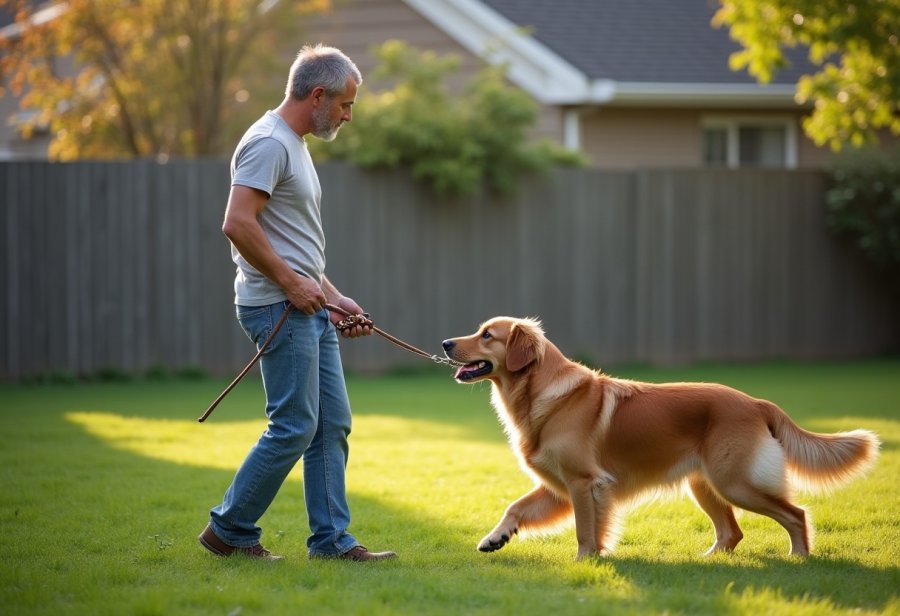
Transform Your Walks: Unlock Calmness and Connection
Teaching your dog to walk calmly at your side might seem like a straightforward skill, but it can truly transform your daily routines together. When your dog learns to stay relaxed and focused during walks, those outings become more enjoyable and less stressful. It’s not just about preventing pulling or lunging; it’s about establishing a peaceful rhythm that turns walks from chaos into moments of connection.
A calm walk also deepens trust and communication between you and your dog. When your pet remains attentive and composed, they see you as a steady leader, which strengthens your bond. Plus, a focused dog is safer—less likely to dart after distractions or get tangled in the leash—making outings more secure for everyone involved. These benefits extend beyond the walk itself, laying a foundation for better behavior and cooperation in everyday life.
This journey toward calmness isn’t about harsh corrections or quick fixes. It’s rooted in patience, consistency, and positive reinforcement. Every small success reinforces your dog’s understanding that staying relaxed beside you is rewarding. Over time, these shared victories deepen your connection and turn routine walks into shared moments of joy and trust.
Calm walks also influence your overall relationship. They become opportunities for mutual trust, where your dog learns to respond calmly to cues and new environments. This harmony not only makes outings more pleasant but also boosts your dog’s confidence and sense of security. As your walks become more peaceful, your bond grows stronger, enriching your daily life together.
Remember, the benefits of teaching calm, focused walks ripple into all areas of your relationship. Less stress, more connection, and increased safety create a more harmonious partnership. With patience and consistency, those daily strolls can become some of the most rewarding moments you share with your dog.
Decode Canine Cues: Master Body Language and Behavioral Insights
Understanding dog behavior is essential for teaching your dog how to walk calmly and stay focused. Dogs communicate mainly through body language—how they hold their tails, position their ears, or where they look. Recognizing these signals helps you gauge whether your dog is relaxed, anxious, or distracted. For example, a wagging tail doesn’t always mean happiness; it can also signal excitement or nervousness. Picking up on these cues allows you to respond appropriately, whether that’s giving your dog space or redirecting their attention with a command or treat.
Dogs have natural instincts rooted in pack mentality and prey drive that influence their reactions during walks. Some pull because they’re driven to explore or chase scents, while others become anxious in unfamiliar environments or loud noises. Understanding these impulses helps you tailor your training strategies to your dog’s specific tendencies, making your efforts more effective and less frustrating. Positive reinforcement and clear communication are now the standards—reward good behavior to build trust and motivate your dog to cooperate willingly.
Noticing signs of stress or distraction, like lip licking, yawning, avoiding eye contact, or stiffening, can prevent problems from escalating. When you see these signals, pause, give your dog a break, or gently redirect their focus. This not only keeps the experience positive but also reassures your dog that calmness and attention are rewarded. Every dog has unique energy levels and emotional responses; observing their body language allows you to adapt your approach, turning walks into peaceful, bonding moments rather than stressful routines.
Building an understanding of your dog’s behavior also helps you address challenges more effectively. Some dogs are more sensitive or energetic, requiring patience and specific techniques. Recognizing when your dog is overwhelmed or overstimulated enables you to adjust training sessions accordingly. Over time, this insight fosters a trusting relationship, where your dog feels safe and confident, making calm walks a natural and enjoyable part of your daily life together.
By tuning into your dog’s signals, you can create a training experience rooted in respect and understanding. This awareness transforms routine walks into opportunities for connection and mutual trust. As you learn to read your dog’s body language, you’ll be better equipped to guide their behavior gently and confidently, paving the way for calmer, more focused walks that strengthen your bond and enrich your shared life.
Modern Methods for Calm, Focused Walks: Tools and Techniques to Try Today
Teaching your dog to walk calmly today involves exploring effective techniques and tools that suit different dogs and owners. Modern training methods focus on positive reinforcement—using treats, praise, and patience to build good leash manners and focus. Tools like front-clip harnesses and head collars can greatly reduce pulling by giving you better control without causing discomfort, which boosts your dog’s confidence. Establishing clear commands such as “heel” or “focus” early on helps set boundaries and keeps your dog attentive, especially in distracting environments.
Starting in low-stimulation settings and gradually increasing distractions is key to building your dog’s confidence. Keep training sessions short—around five to ten minutes—to maintain your dog’s interest without overwhelming them. Using treats and praise liberally helps your dog associate calm walking with positive rewards. Incorporating clicker training can mark precise moments of good behavior, speeding up learning. Remember, your relaxed demeanor and patience are contagious, encouraging your dog to mirror your calmness and focus.
Recent innovations like smart collars and app-connected training devices can offer additional feedback and help monitor your dog’s focus and stress levels. While these aren’t essential, they can be useful tools in complex environments. Consistency is vital; use the same commands and routines across walks to reinforce good habits. If your dog pulls or gets distracted, calmly pause and redirect their attention with a command or toy, rewarding them when they refocus. Over time, these techniques make peaceful walks a natural part of your routine, strengthening your bond and making outings more enjoyable.
Gradually introducing more challenging environments helps your dog generalize calm behavior everywhere—from busy streets to quiet parks. Practice patience and celebrate small successes—they’re building blocks for longer-term progress. Remember, training isn’t linear; setbacks happen, but with persistence and positive reinforcement, your dog will learn to walk politely at your side. The result is more than just good leash manners—it’s a deeper, more trusting relationship built on mutual calm and respect.
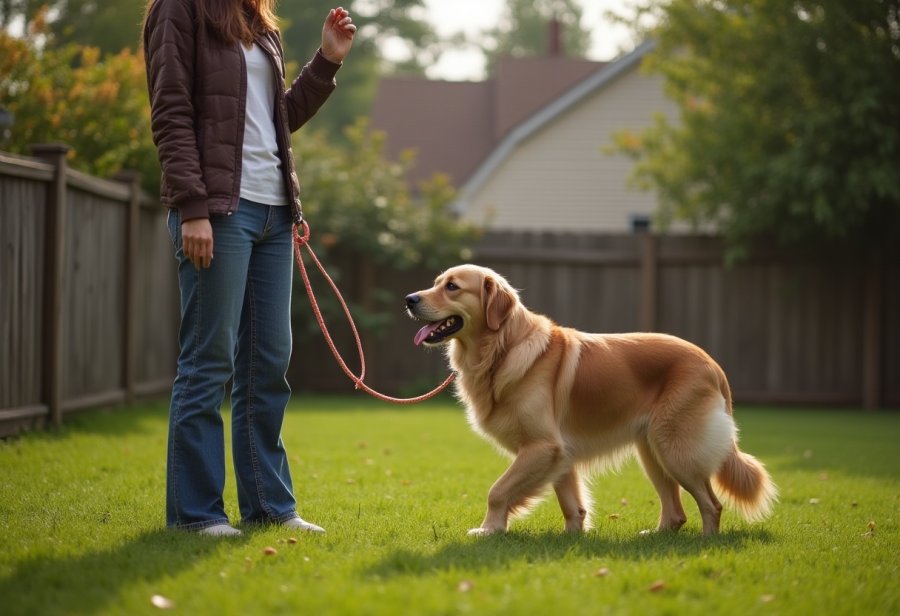
Smart Spending: Budget-Friendly Strategies for Effective Dog Training
Training your dog to walk calmly involves some financial planning, but knowing the costs upfront helps you set realistic expectations. Basic gear like a well-fitting harness or a front-clip leash typically ranges from $15 to $30. Investing in quality equipment can make a noticeable difference in training success and your dog’s comfort, so it’s worth choosing durable options that last.
Professional training classes can also be part of your budget. Group sessions tend to be more affordable, usually costing between $50 and $100 per session, while private lessons can be $150 or more. Regular practice and reinforcement are essential, so consider ongoing costs for classes or private coaching to maintain progress. Treats, clickers, and other reinforcement tools also add up but are crucial for positive training. Buying treats in bulk or making homemade options can help keep expenses manageable, with clickers generally costing around $5 to $10.
Some owners explore high-tech options like smart collars or app-connected training devices, which offer real-time feedback and monitoring. These tools start around $100 and can go higher depending on features. While they aren’t necessary, they can be helpful for complex environments or stubborn behaviors. Many successful trainers rely on consistent routines, good-quality gear, and patience, making training affordable without sacrificing results.
Ongoing expenses for training supplies, treats, and occasional professional help should be factored into your budget. The most valuable investment, however, is your time and commitment. With a clear financial plan, you can support steady progress toward calmer, more focused walks without stretching your finances. Keeping costs reasonable ensures your training journey remains sustainable and enjoyable for both you and your dog.
Beyond Leash: How Calm Walking Enhances Your Bond and Daily Life
Calm walks can dramatically change the way you experience time with your dog. When your pet walks politely and stays focused, outings shift from being a constant management challenge to moments of genuine connection. No longer do you have to worry about pulling, lunging, or distractions taking over—these walks become peaceful opportunities to enjoy each other’s company. As a result, both of you look forward to these shared routines, knowing they bring calm and joy rather than frustration.
When your dog learns to stay attentive and walk calmly, their confidence grows. They become more comfortable exploring new environments, from busy streets to quiet parks, without becoming overwhelmed. This sense of security makes outdoor adventures more spontaneous and fun. For you, this means less stress and more trust that your dog will respond reliably, making outings safer and more predictable.
A focused dog also deepens the bond between you. When your pet responds calmly to commands and maintains attention, it reflects a healthy respect and trust, strengthening your relationship. These peaceful walks become a foundation for better communication and mutual understanding, extending beyond just leash manners.
The benefits extend beyond behavior; they influence your overall well-being. Reduced stress during walks helps your dog stay healthier and less prone to anxiety-related issues, while you enjoy more relaxed, stress-free moments. These shared experiences turn routine outings into opportunities for bonding, trust, and happiness.
Over time, mastering calm, focused walks transforms daily life. Instead of feeling overwhelmed or frustrated, you start to see walks as cherished moments of connection and joy. Your dog begins to view these outings as safe, rewarding experiences, which encourages even better behavior and cooperation.
This shift not only improves your dog’s behavior but also enhances your quality of life. Calm walks foster a sense of harmony and confidence, making daily routines more enjoyable and less stressful. They become a time to truly connect, creating lasting memories and a stronger partnership.
In the end, the impact of teaching calm, focused walks reaches far beyond leash manners. It enriches your relationship, boosts your dog’s confidence, and turns everyday outings into meaningful bonding moments. This shared calm creates a foundation of trust and joy that benefits both of you—step by step, walk by walk.
Step-by-Step: A Practical Plan to Achieve Peaceful, Focused Walks
Training your dog to walk calmly and focus on you isn’t about quick fixes; it’s about establishing a clear, consistent routine that fosters trust and understanding over time. Begin in a quiet space where your dog can learn without too many distractions. Keep each session short—about five to ten minutes—and always end on a positive note. Use treats and praise generously to reward your dog when they walk beside you without pulling or lagging behind. This helps them associate calm behavior with something rewarding, encouraging them to repeat it.
Next, introduce basic commands like “heel” or “focus” early on. Use a specific cue so your dog begins to understand what you expect. When they respond correctly, immediately reward them with treats or gentle praise. Consistency across walks and everyone involved is key—using the same commands and routines prevents confusion and builds reliable habits. Over time, your dog will start to respond more consistently, making walks smoother and more enjoyable.
Gradually, practice in environments with increasing distractions, like busy streets or parks. Always reward your dog for maintaining focus despite these challenges. If they get distracted or pull, stop walking calmly and wait until they return their attention to you. Then, reward that focus before resuming movement. This teaches your dog that staying attentive and calm is what keeps the walk moving forward.
Incorporate helpful tools like front-clip harnesses or head collars to guide your dog without discomfort. Using a clicker can mark precise moments of good behavior, speeding up learning. Remember, patience and a relaxed attitude from you are contagious—they motivate your dog to mirror your calmness and focus.
Be prepared for setbacks—they’re natural parts of training. When your dog pulls or zones out, pause, reset, and redirect their attention with a command or toy. Practice in various settings to help your dog generalize good leash manners everywhere. Consistent effort, positive reinforcement, and understanding will gradually turn peaceful walks into a shared routine that strengthens your bond and makes outings more enjoyable for everyone.
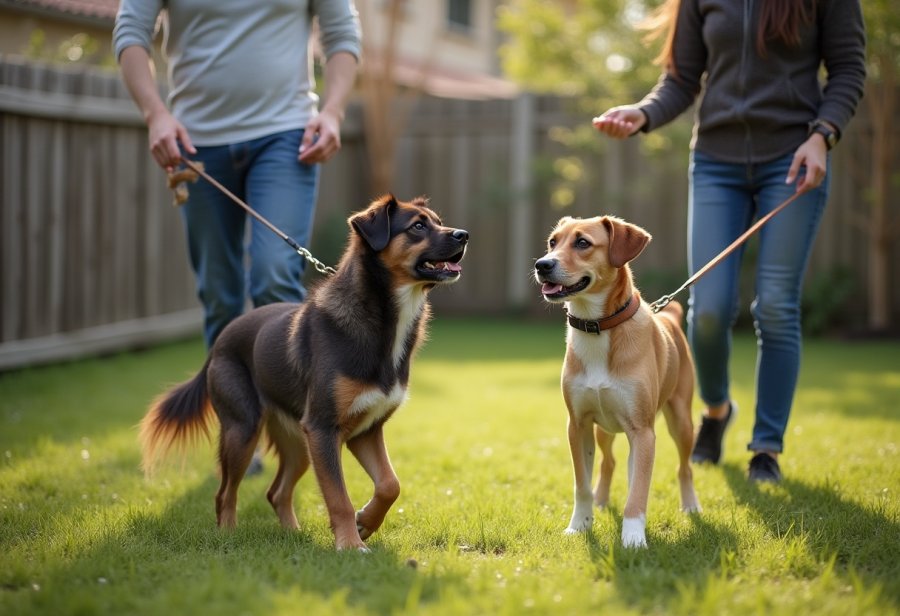
Troubleshooting Tips: Overcome Common Challenges and Keep Progress on Track
Training a dog to walk calmly can sometimes lead to setbacks, especially when unexpected distractions pop up. Dogs are naturally curious and can become overstimulated by sights, sounds, or smells, making it tough for them to stay focused or walk politely. When pulling, lunging, or zoning out occurs, reacting with frustration only worsens the situation. Instead, pause calmly, take a deep breath, and gently redirect their attention with a simple command or a treat. Showing patience and composure teaches your dog that focus and calmness are what truly matter.
Many common challenges happen in busy environments like crowded streets or parks. To prevent these issues from escalating, start training in quieter settings and gradually introduce more distractions as your dog becomes more confident. Consistent reinforcement of good behavior helps your dog learn that paying attention to you pays off, even amidst chaos. If your dog pulls or ignores cues, stop walking and stand still until they redirect their focus back to you. Reward this moment of attention, then resume walking, reinforcing that calm and focus keep the walk moving forward.
Sometimes, dogs become overwhelmed or anxious in unfamiliar places, which can lead to resistance. Breaking training into small, manageable steps and rewarding even tiny improvements builds confidence and reduces stress. If a loud noise or passing vehicle causes a reaction, praise their focus on you instead of the stimulus. Patience is key—progress might be slow at first, but persistence pays off over time.
If persistent problems continue despite your efforts, consulting a professional trainer or behaviorist can provide tailored strategies. They can help identify underlying causes and suggest approaches suited to your dog’s specific needs. Remember, setbacks are part of the learning process, not failures. With steady patience and positive reinforcement, most issues can be addressed, leading to calmer, more focused walks that strengthen your bond rather than strain it.