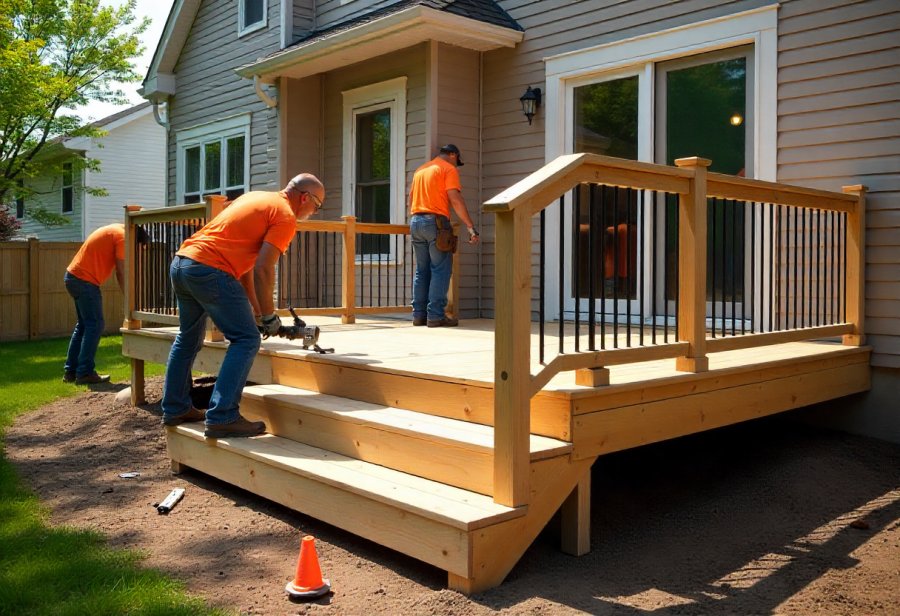
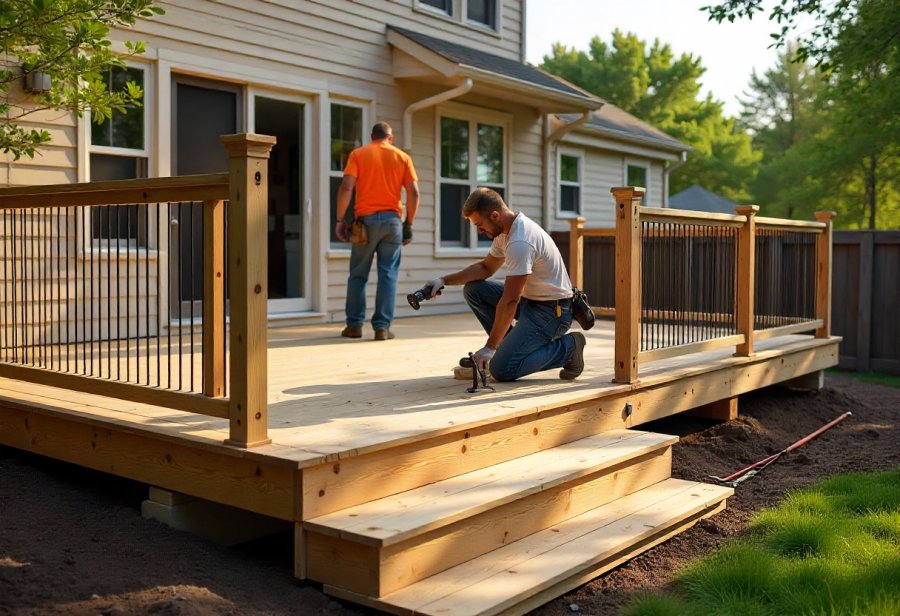
Building a custom deck transforms your outdoor space into a stunning retreat, but what truly separates exceptional projects from ordinary ones? This guide explores the art of designing and constructing a deck that balances beauty, function, and durability. From selecting the right materials—like pressure-treated lumber or exotic hardwoods—to meticulous planning that accounts for landscape, layout, and safety, every detail matters. The process involves foundational principles, precise craftsmanship, and thoughtful integration of personal style, lighting, and features that invite relaxation and entertainment. Yet, achieving perfection requires understanding costs, budgeting wisely, and investing in quality that withstands weather and wear over time. Are you ready to create a backyard haven that reflects your personality and enhances your lifestyle? With expert advice and careful planning, your dream deck isn’t just possible—it’s within reach, promising years of outdoor enjoyment and increased property value.
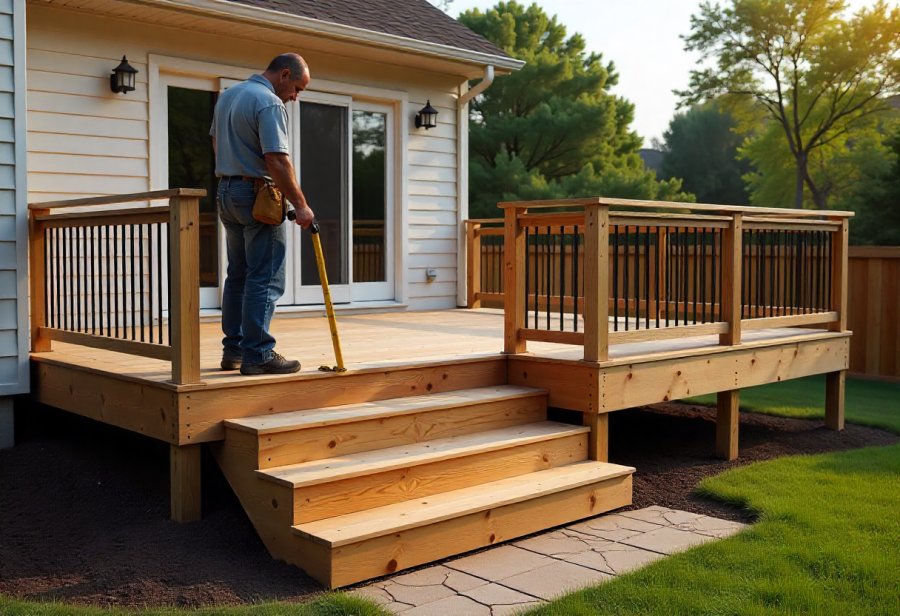
Transform Your Backyard: Building a Custom Deck That Reflects Your Lifestyle
Building a custom deck isn’t just about adding a flat surface outside your home; it’s about creating a personal outdoor space that genuinely enhances your lifestyle. A well-designed deck can become the focal point of your backyard, serving as a cozy retreat, a lively gathering spot, or an elegant extension of your living area. Its value extends beyond visual appeal—it can boost property worth, increase usable outdoor space, and make outdoor living more enjoyable.
What truly makes a deck stand out is its ability to transform an ordinary yard into something more functional and inviting. Whether you prefer sleek modern lines, rustic charm, or a style unique to your personality, customizing the design allows you to reflect your individual taste. It’s not just about looks; it’s about crafting a space that feels natural and comfortable for everyday activities like morning coffees or weekend barbecues.
Achieving a successful custom deck begins with thoughtful planning. From considering how it will flow with your landscape to determining the right size and placement, each decision influences the final result. Good design takes into account details like lighting, privacy, and accessibility—elements that elevate your outdoor experience from simple to spectacular. Paying attention to these details ensures that your deck is both beautiful and practical.
Choosing quality materials is crucial for durability and aesthetics. Options like pressure-treated wood, cedar, exotic hardwoods, or composite materials each have their strengths, depending on your climate and maintenance preferences. Selecting the right materials helps prevent issues like rot, warping, or pests, ensuring your deck remains stunning and functional over the years with minimal upkeep.
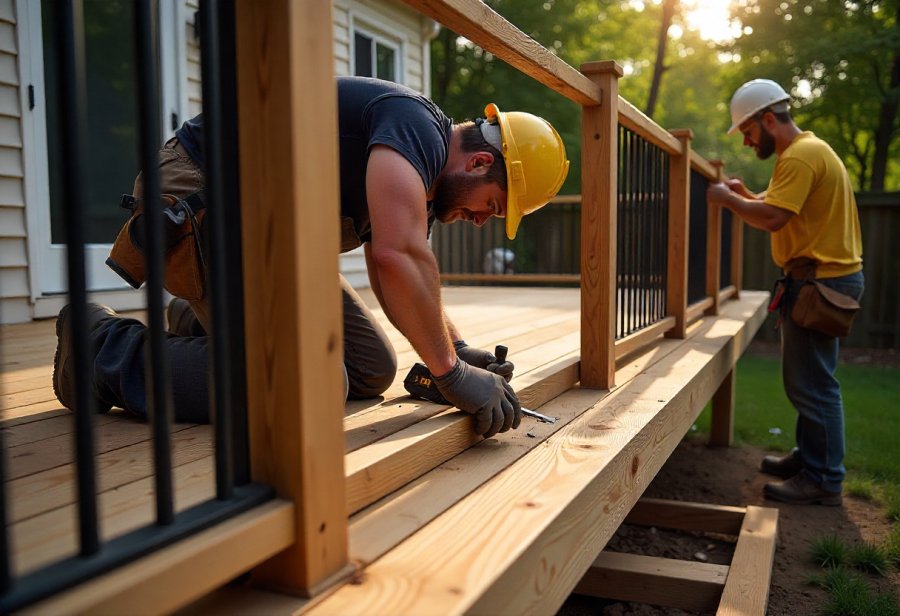
Building a deck also requires skilled craftsmanship. It’s rarely a DIY project, as precise measurements, proper support installation, and careful assembly are essential for safety and longevity. Professional carpenters understand how to work with different materials and ensure every joint is secure, every support is solid, and every detail is finished to perfection. Their expertise transforms a basic structure into a durable, attractive outdoor haven.
In the end, a well-designed, expertly built deck isn’t just an addition to your home; it’s an outdoor extension of your lifestyle. It becomes a space where you can relax, entertain, and enjoy the outdoors with confidence, knowing it was crafted with care and precision. Creating your perfect deck is about more than construction—it’s about shaping a personal retreat that elevates your everyday life.
Laying the Groundwork: Essential Principles and Materials for a Strong, Lasting Deck
Building a successful custom deck begins with a solid understanding of its foundational principles—namely, choosing the right materials and planning meticulously from the start. The foundation isn’t just a base; it’s the backbone that ensures your deck remains stable, safe, and durable over time. Selecting materials such as pressure-treated lumber, cedar, exotic hardwoods, or composite options depends on your climate, budget, and maintenance preferences. Each offers unique benefits: some excel in longevity, others in low upkeep, and some for their aesthetic appeal. Knowing which suits your environment helps prevent issues like rot, warping, or pest damage down the line.
Proper planning is equally vital. Before breaking ground, you need a clear layout that considers your yard’s terrain, existing landscape features, and how the deck will connect with your home. Sketching your design and measuring the space early on can save time and reduce surprises during construction. A well-thought-out plan ensures the finished deck complements your outdoor space seamlessly and functions smoothly for everyday use.
The structural elements—footings, beams, and support posts—must be engineered with precision. A sturdy foundation anchors the entire structure and prevents shifting or sinking over time. Skilled builders know how to properly site footings, especially on uneven terrain, and secure supports into the ground for maximum stability. Accurate framing follows, with every joist and support measured carefully to create a level, balanced surface. This attention to detail is essential for a safe, long-lasting deck that can withstand foot traffic and weather conditions without compromise.
Hardware and fasteners, though often overlooked, play a crucial role in durability. Using corrosion-resistant stainless steel screws, weatherproof brackets, and sealed joints helps your deck resist rust, rot, and loosening. These small but significant details extend the lifespan of your structure and maintain its aesthetic appeal. Proper hardware ensures every component remains secure and weather-resistant, ultimately saving you time and money on repairs.
Attention to these core principles—material selection, thoughtful layout, precise support installation, and quality hardware—sets the stage for a resilient, attractive outdoor space. When each element is executed with care, your deck becomes more than just a platform; it transforms into a reliable, stylish extension of your home, ready to host memories and outdoor moments for years to come.
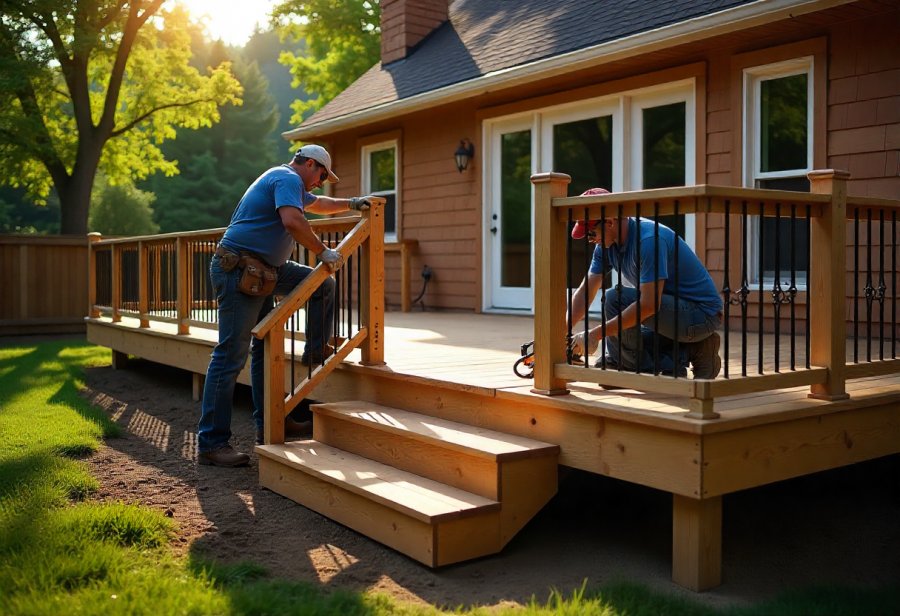
Crafting a Personal Oasis: Designing a Beautiful and Functional Outdoor Space
Designing a deck that feels both beautiful and functional means personalizing the space to suit how you want to enjoy the outdoors. Start by considering features that make the deck inviting—such as built-in seating, decorative railings, or soft lighting. These elements do more than enhance appearance; they create a welcoming atmosphere that encourages regular use, whether for morning coffee or evening gatherings. Thoughtful details like these turn a simple platform into a true extension of your home.
Adding personal touches helps your deck reflect your style and personality. Choose railing styles that match your home’s architecture or incorporate decorative accents like wrought iron or wood balusters. Lighting options—string lights, lanterns, or subtle recessed fixtures—set a warm tone for nighttime use. Small additions like planters, outdoor sculptures, or a fire pit infuse character into the space, making it lively and uniquely yours. These touches transform the deck into a cozy retreat that seamlessly blends with your landscape.
Balancing beauty with practicality is crucial. An ornate design with intricate details might look stunning but could be harder to maintain over time. Conversely, a purely utilitarian layout might lack charm. The goal is to select design elements that work together—durable materials and classic styles that age gracefully. Weather-resistant finishes, rust-proof hardware, and sturdy railings ensure your deck remains attractive and safe through seasons of use and weather. This combination of style and durability makes the space both eye-catching and reliable.
Layout plays a key role in maintaining this harmony. You need enough space for furniture and movement without feeling cluttered or empty. Proper placement of access points, pathways, and designated zones helps create a logical flow, making it easier to enjoy the space. Whether you envision a quiet nook for mornings or an expansive area for entertaining, planning the layout ensures your deck functions well and feels inviting. Thoughtful planning makes every outdoor moment more enjoyable and effortless.
Personalized features also help your deck blend naturally with your landscape. Matching railing styles with your home’s character or adding outdoor kitchen elements can turn your deck into a true outdoor living room. These details boost both functionality and aesthetic appeal, creating a space that feels cohesive and inviting. When thoughtfully integrated, these elements elevate your outdoor area from a simple deck to a personal retreat—an extension of your home that’s designed for comfort, style, and lasting enjoyment.
From Concept to Completion: Your Step-by-Step Guide to Planning and Building a Custom Deck
Planning and building a custom deck involves a series of clear, coordinated steps that turn your vision into a durable outdoor space. It starts with evaluating your yard—considering its size, shape, and terrain—to determine what’s feasible and how the deck will connect with your existing landscape. Sketching out your ideas early helps clarify your goals, whether you want a cozy retreat or an expansive entertaining area, and saves time during construction.
Before any work begins, checking local regulations and securing permits is essential. Most areas require approval to ensure safety standards are met and to avoid delays or fines. Once you have the necessary permissions, refining your design with professional input helps streamline the process, making sure your plans are both practical and compliant.
With a solid plan in place, the construction phase kicks off by establishing a sturdy foundation. Skilled carpenters focus on installing footings that are securely anchored, especially on uneven terrain, to prevent shifting over time. Accurate framing follows, with support beams and joists carefully measured and installed to create a level, balanced surface. Attention to detail during these initial steps guarantees the structural integrity and longevity of your deck.
As the framework takes shape, the focus shifts to quality hardware and finishing touches. Using corrosion-resistant fasteners, weatherproof brackets, and sealed joints ensures your deck can withstand the elements. Once the surface is laid and supports are secure, adding railings, stairs, and lighting enhances safety, usability, and visual appeal. Regular inspections throughout construction help catch issues early, keeping the project on track.
Throughout the process, clear communication and precise execution are key. Skilled builders coordinate each phase, from foundation to finish, ensuring that every detail aligns with your design goals. This systematic approach minimizes surprises and guarantees a smooth build, resulting in a deck that’s both functional and attractive.
Finishing touches like staining or sealing protect your investment, while final walkthroughs ensure everything meets your expectations. When done right, the entire process results in a reliable, beautiful outdoor extension of your home—ready to host memories and outdoor moments for years to come.
Investing Wisely: Navigating Costs, Budgeting, and Maximizing Value in Your Deck Project
Building a custom deck is a notable investment, and understanding the financial landscape helps you make smarter choices from the start. The total cost depends heavily on factors like size, design complexity, and the materials you select. Basic options such as pressure-treated lumber tend to be more budget-friendly, but they may require more upkeep over time. On the other hand, premium materials like exotic hardwoods or composite decking come with a higher upfront price but offer greater durability and less maintenance, often paying off in the long run.
Labor costs also influence your overall budget. Skilled carpenters ensure that your deck is built safely and to high standards, but their expertise adds to the expense. Permit fees and local regulations should also be factored in, as these can vary significantly by area. Skipping the necessary paperwork or rushing the process can lead to delays, fines, or costly rework, so including these expenses from the outset makes sense.
While it’s tempting to cut corners to save money, investing in quality materials typically yields better value over time. Durable options resist weather, pests, and wear, meaning fewer repairs and replacements down the line. Although the initial investment might seem steep, the savings on maintenance and the extended lifespan of a well-built deck make it a smart financial move. Plus, a sturdy, attractive outdoor space adds value to your property, which can benefit you if you decide to sell someday.
Beyond immediate costs, consider the long-term benefits your deck provides. It transforms your outdoor lifestyle—becoming a reliable spot for gatherings, relaxation, or outdoor cooking. A well-designed, durable deck doesn’t just look good; it enhances your daily life by creating a seamless outdoor extension of your home. When you prioritize quality and craftsmanship, your outdoor retreat remains functional and beautiful for years, reducing the need for costly repairs or upgrades.
Smart budgeting means balancing what you want with what you need. You don’t have to choose the most expensive options to get a quality deck. Simplifying your design, reducing size, or skipping unnecessary features can keep costs manageable without sacrificing safety or style. Focus on core elements like a solid foundation, weather-resistant finishes, and safety features, then add extras as your budget allows.
In the end, a well-constructed deck isn’t just an aesthetic upgrade—it’s an investment that enhances your outdoor living and adds lasting value to your home. By understanding the costs involved and making informed decisions, you can create a space that brings joy and function without breaking the bank. Thoughtful planning and quality choices ensure your deck remains a beautiful, resilient part of your home for many seasons to come.