In an era where seamless communication is vital to business success, modern phone systems like VoIP and cloud-based platforms are transforming how companies connect internally and externally. These technologies offer cost-effective, scalable solutions packed with features—auto-attendants, call routing, video conferencing—that enhance professionalism and customer satisfaction. But is reliable communication enough in today’s competitive landscape, or do these innovations truly redefine corporate connectivity? As organizations embrace these tools, they unlock faster decision-making, stronger customer relationships, and greater agility. Yet, with rapid technological advancements looming—such as AI-driven automation, 5G connectivity, and integrated multi-channel platforms—the future of business communication remains a carefully balanced blend of human touch and digital innovation. Who will harness these emerging trends most effectively to stay ahead? The answer may determine whether a business thrives or falls behind in the digital age.
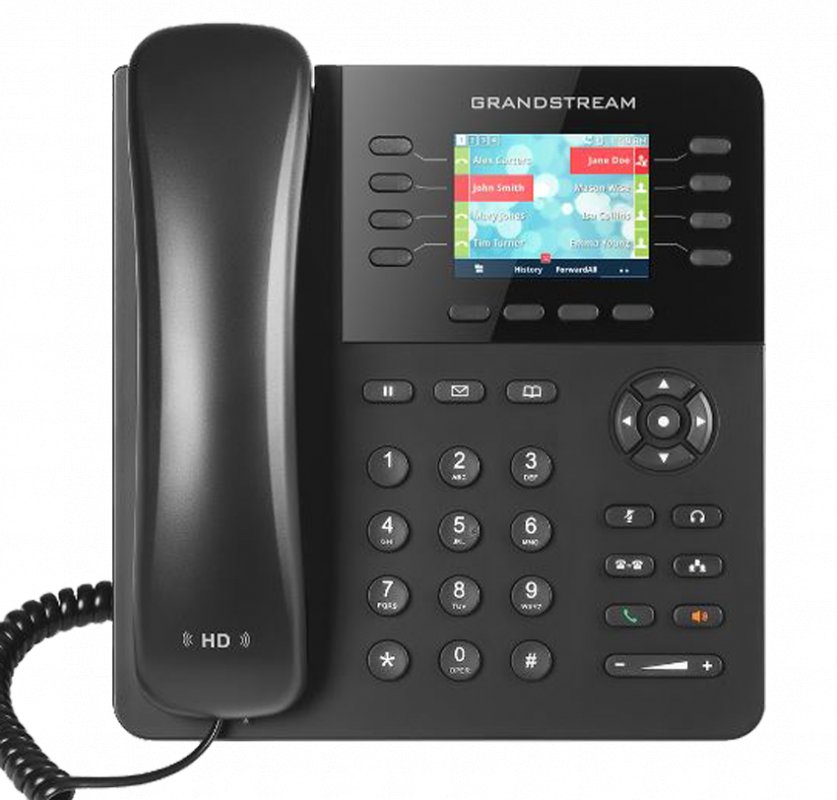
Unlocking the Power of Reliable Business Communication in a Fast-Paced World
In today’s fast-moving business landscape, reliable communication isn’t just a convenience—it’s a core necessity. Companies depend on clear, uninterrupted channels to serve customers, coordinate teams, and project professionalism. As technology advances, the way organizations connect has shifted from traditional landlines to sophisticated internet-based systems that offer greater flexibility and efficiency.
Modern business communication tools like Voice over Internet Protocol (VoIP) have transformed how companies operate. Instead of relying on costly and inflexible landlines, VoIP transmits voice calls over the internet, enabling cost savings and a wealth of new features. From voicemail-to-email and call forwarding to video conferencing and mobile integration, these solutions support seamless collaboration regardless of where employees or clients are located.
The importance of professionalism in customer interactions has grown alongside these technological improvements. Features such as auto-attendants and smart call routing help create a polished and organized experience for callers. Customers appreciate quick responses and clear navigation, which in turn builds trust and loyalty. These tools ensure that organizations can handle high call volumes efficiently while maintaining a consistent, professional image.
Scalability and resilience are also key factors in modern communication systems. Cloud-based platforms make it easy to add or modify lines and features as a business grows, without the need for expensive hardware upgrades. During outages or technical disruptions, calls can be automatically rerouted to backup devices or alternate lines, keeping operations running smoothly and safeguarding reputation.
Ultimately, reliable communication forms the backbone of competitive advantage in today’s digital economy. It enables faster decision-making, enhances customer satisfaction, and supports organizational agility. As businesses continue to evolve, investing in robust, flexible, and secure communication technologies remains essential to staying connected, responsive, and ahead of the competition.
Mastering Core Technologies That Drive Modern Business Communication
Modern business communication relies on a core set of technologies designed to keep organizations connected efficiently and securely. At the heart of this is Voice over Internet Protocol (VoIP), which transmits voice calls over the internet instead of traditional phone lines. This shift not only cuts costs but also unlocks a range of features such as voicemail-to-email, call forwarding, and video conferencing that make remote collaboration straightforward and seamless. These tools help teams respond faster to customer needs and internal demands, fostering a more agile work environment.
Understanding the terminology behind these systems clarifies how they operate. VoIP converts voice signals into data packets that travel over the internet, enabling flexible and affordable communication. Cloud-based platforms host these systems remotely, providing centralized management and easy scalability. This means adding new extensions or features can be done through simple online adjustments, without the need for costly hardware upgrades—an essential benefit for growing businesses that need to adapt quickly.
A relevant discussion appears on Crazy Bard in Madeline Anderson‘s Transforming Business Communication for a Digital Future.
Features like auto-attendants and intelligent call routing are vital for projecting a professional image. Auto-attendants greet callers with customized messages and direct them efficiently to the right department, reducing wait times and frustration. Call routing ensures inquiries reach the appropriate team member promptly, whether it’s a sales lead or support request. These functionalities streamline operations, improve customer experience, and help organizations maintain a polished, organized appearance.
The evolution from landlines to internet-based systems marks a fundamental change in how businesses communicate. Landlines, once the standard, lacked the flexibility and scalability required today’s dynamic markets demand. VoIP and cloud solutions have transformed communication into adaptable assets, supporting remote work, mobile access, and rapid expansion. This technological leap continues to reshape how organizations engage with clients and coordinate internally, making agility and responsiveness more achievable than ever.
Emerging trends like mobile integration, enhanced security, and unified communication platforms further enhance these technologies. They enable organizations to stay connected across multiple channels—voice, video, messaging, and social media—within a single platform. This convergence simplifies management, ensures consistency in customer interactions, and fosters a more cohesive communication experience. As these tools evolve, they empower businesses to operate more efficiently and securely in an increasingly digital world.

How Cutting-Edge Phone Services Propel Business Success and Customer Satisfaction
Modern phone services are revolutionizing how businesses operate, making internal and external communication more efficient, reliable, and impactful. Features like auto-attendants and intelligent call routing help manage high call volumes effortlessly, projecting a professional image that builds trust and confidence. When customers reach out, they experience quick, personalized responses that reduce frustration and create a positive impression, which can translate into increased loyalty.
Cloud-based systems play a crucial role in supporting growth. They allow organizations to add new lines and features without the need for costly hardware upgrades, providing a flexible platform that scales with the business. During outages or technical glitches, calls can seamlessly reroute to backup devices or alternative lines, ensuring continuous service. This resilience minimizes disruptions, helping companies maintain their reputation and avoid revenue loss from downtime.
The cost advantages of modern phone services are significant. By transmitting calls over the internet, businesses cut expenses on traditional long-distance and international calls. This affordability enables smaller companies to access advanced features typically reserved for larger organizations, leveling the playing field in competitive markets. The ability to expand quickly—by configuring new extensions online—supports rapid response to market opportunities and customer demands.
For a related discussion, review Tavi Young‘s article Transforming Business Communication with Modern Phone Solutions on Rocky Room.
Customer experience benefits immensely from these advancements. Fast response times, clear call navigation, and minimal wait times foster a sense of reliability and professionalism. When clients feel valued and well-served, their satisfaction increases, strengthening their loyalty and positive word-of-mouth. These tools turn everyday interactions into opportunities to reinforce the company’s brand and commitment to service.
Remote work becomes more practical and efficient thanks to mobile integration and unified communication platforms. Employees can stay connected from anywhere—whether at home, on the road, or visiting clients—with features like call forwarding and mobile apps. This flexibility boosts productivity, enhances collaboration, and ensures that customer inquiries are handled promptly, regardless of where staff members are located.
Reliable communication infrastructure also streamlines internal operations. When teams connect without technical hiccups, tasks such as coordinating schedules, processing orders, and resolving issues happen faster and with fewer errors. Employees spend less time troubleshooting and more time focusing on core responsibilities, leading to increased overall efficiency and better customer service.
Security and compliance are integral to the success of modern phone systems. Many solutions include encryption, call recording, and data retention features that protect sensitive information and meet regulatory standards. This focus on security builds trust not only with customers but also with partners and regulatory bodies, ensuring long-term stability and credibility.
In the end, the impact of modern communication tools goes beyond just making calls. They are essential assets that enable faster decision-making, elevate customer interactions, and support scalable growth. By adopting these advanced systems, businesses position themselves to thrive in an increasingly digital, competitive landscape, transforming communication from a mere necessity into a strategic advantage.
Implementing Modern Phone Systems: Practical Strategies and Real-World Benefits
Modern business phone systems are designed for straightforward implementation, especially with the rise of cloud technology and user-friendly management tools. Many organizations start by assessing their current communication needs and selecting platforms that can scale smoothly as they grow. Once in place, features like auto-attendants and call routing are easily configured to direct calls efficiently, reducing wait times and boosting customer satisfaction. Proper staff training on these capabilities ensures everyone can maximize the system’s potential, leading to improved overall performance.
These systems also streamline daily operations by providing reliable connectivity across teams. When communication channels function seamlessly, tasks such as coordinating schedules, processing orders, and resolving customer issues happen more quickly and accurately. Customers notice this efficiency through faster, clearer responses, which foster trust and loyalty. A dependable infrastructure minimizes misunderstandings and delays, helping the organization run smoothly and maintain a professional image.
Transforming Business Success Through Modern Communication Systems is one example of how Ophie Nelson approaches this topic on Cay Klaire.
Switching to modern systems often involves some workflow adjustments and staff training, but the long-term benefits far outweigh the initial effort. Automation features, enhanced professionalism, and scalability support sustained growth. Strategic planning and ongoing support enable staff to adapt quickly, allowing businesses to leverage new capabilities fully without disruption. Support resources like setup guides, online tutorials, and virtual training from providers help facilitate a smooth transition.
Choosing the right platform begins with understanding your company’s specific needs. Cloud-based solutions with features like auto-attendants, call routing, and mobile integration create a flexible, scalable foundation. Customizing settings to fit existing workflows and providing comprehensive training ensures a seamless integration. Regular reviews and updates keep the system optimized as your business evolves, maintaining its effectiveness and security.
Security and compliance are critical when deploying these systems. Modern solutions often include encryption, call recording, and data retention tools that safeguard sensitive information and help meet regulatory standards. These features build trust with customers and partners, ensuring that communication remains confidential and protected. A secure, compliant system not only supports growth but also reinforces the organization’s credibility in a competitive landscape.
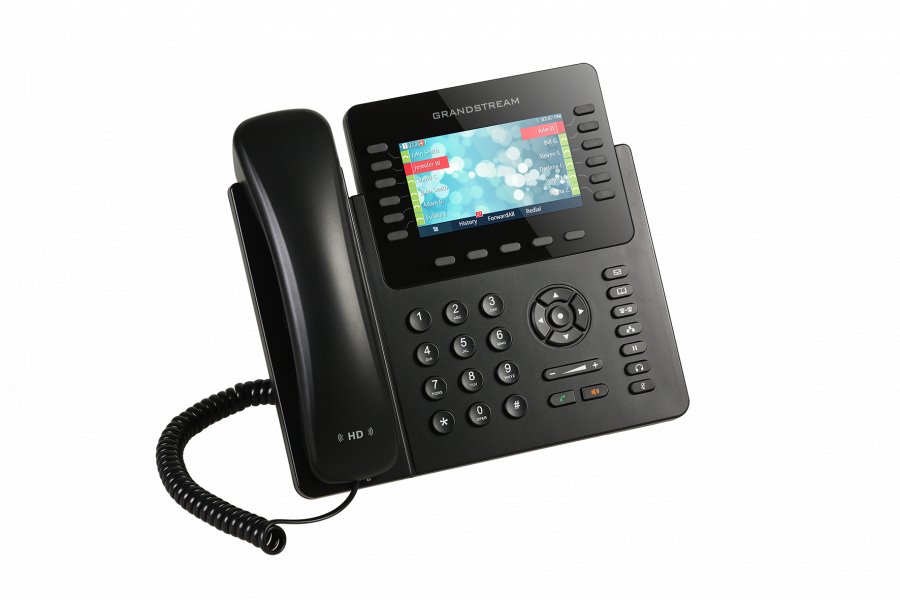
Future Insights: The Evolving Landscape of Business Communication Technologies
As we look toward the future, the landscape of business communication is set to become even more dynamic and integrated. Artificial intelligence and machine learning are beginning to automate routine interactions, freeing up human resources for more strategic tasks. Virtual assistants will handle complex inquiries, proactively offering solutions and personalizing customer experiences, which will significantly boost efficiency and satisfaction.
The rollout of 5G networks promises to revolutionize mobile connectivity, enabling real-time data sharing during calls and virtual meetings. This leap in speed and bandwidth will support seamless remote collaboration, making geographical boundaries less relevant and fostering a truly agile workforce. Companies will be able to respond faster to market shifts, leveraging instant communication channels to stay ahead.
Security will remain a top priority as these technologies grow more sophisticated. Expect advanced encryption, biometric authentication, and intelligent monitoring to become standard features, safeguarding sensitive information and ensuring compliance with evolving regulations. Building trust through secure communication remains essential in maintaining long-term relationships with customers and partners.
The convergence of voice, video, messaging, and social media within unified platforms is another trend shaping the future. Managing all touchpoints from a single interface will simplify workflows, reduce fragmentation, and deliver a more cohesive customer experience. This integration will enable organizations to respond swiftly across channels, ensuring consistent and meaningful engagement.
Despite rapid technological advancements, the core goal remains unchanged: effective human connection. Technology acts as a facilitator, making interactions clearer, faster, and more personal. Businesses that embrace these innovations early will be better positioned to adapt swiftly, build stronger relationships, and maintain a competitive edge in a rapidly evolving digital economy.
Staying adaptable is crucial. Investing in smarter, more secure, and integrated communication solutions will be key to thriving amid continuous change. Organizations that prioritize flexibility and innovation will not only meet the demands of tomorrow’s marketplace but will also shape it, turning their communication infrastructure into a strategic advantage that drives growth and resilience.