Underground street racing is more than just a rush of speed; it’s a fierce culture rooted in rebellion, loyalty, and unbreakable brotherhood. These clandestine races, often held in abandoned urban spaces under the cover of night, forge bonds that surpass mere adrenaline—creating families bonded by shared risks, rituals, and mutual trust. From their origins in informal gatherings to today’s digitally organized, sophisticated events, these crews evolve while fiercely guarding their traditions. Despite mounting law enforcement crackdowns and safety concerns, the community’s resilience persists, driven by a deep sense of identity and allegiance symbolized through custom cars and secret meetups. As technology advances, the scene adapts—blending innovation with tradition—raising a compelling question: can this culture that champions rebellion and brotherhood survive the push toward safer, more organized racing? One thing remains clear—speed fuels more than cars; it fuels lifelong loyalty and an enduring sense of belonging.
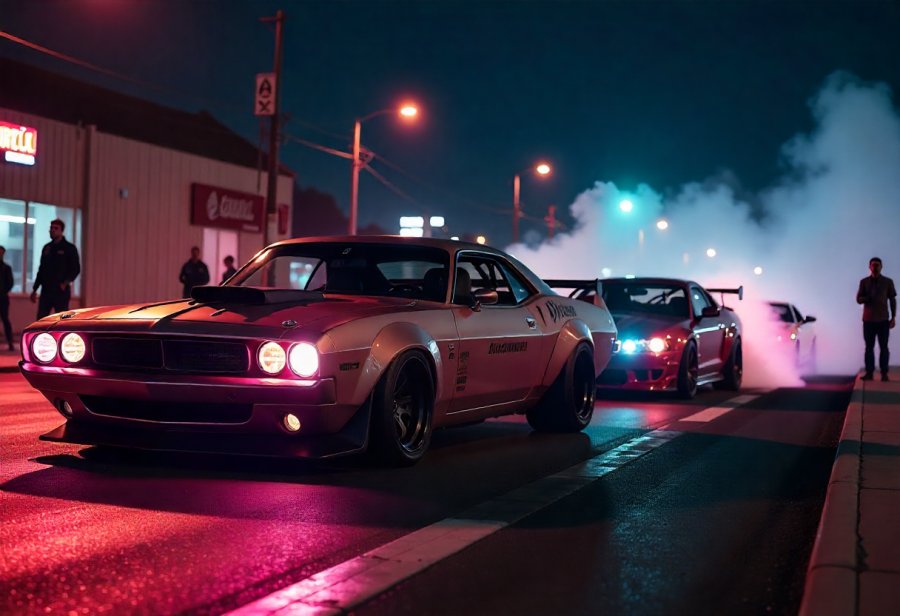
Underground Street Racing: A Vivid Culture of Rebellion and Creativity
Underground street racing isn’t just about cars speeding through city streets; it’s a vibrant, adrenaline-fueled scene that holds a special place in urban communities worldwide. These races often happen far from official tracks, usually late at night or in deserted neighborhoods, where enthusiasts gather to push their cars—and themselves—to the limit. For many young people, it’s more than a hobby; it’s a way to carve out their own space, showcase creativity through car customization, and experience the thrill of competition outside the confines of legality.
This clandestine culture fosters a deep sense of community built on shared passion, rebellion, and trust. Despite the obvious risks, racers see it as a form of freedom—a way to escape the constraints of mainstream society and expensive racing circuits. They organize events in hidden locations, where speed, skill, and loyalty take center stage. Heavily modified cars, designed for maximum performance, become symbols of personal identity and pride, turning each race into a showcase of craftsmanship and character.
Beyond the rush of speed, underground racing creates bonds that are often stronger than those found in traditional sports. Racers develop close-knit relationships, trusting each other with their vehicles and secrets about modifications. These crews become like families, forging loyalties through rituals, symbols, and shared experiences that extend far beyond the race itself. It’s this sense of belonging—built on adrenaline, trust, and mutual support—that sustains the scene even amid law enforcement crackdowns.
Car customization plays a vital role, serving as a visual expression of each racer’s personality and allegiance. Hours are spent tuning engines, repainting bodies, and adding personal touches that turn ordinary cars into symbols of pride and loyalty. Every race becomes a statement—not just about speed, but about identity, craftsmanship, and community. Through these shared passions, underground street racing continues to thrive as a form of rebellion, creativity, and belonging that resonates deeply within urban landscapes.
The Roots and Rise of Street Racing Brotherhoods
The roots of street racing brotherhoods stretch back to late 20th-century urban neighborhoods, where young car enthusiasts began gathering informally to test their driving skills and share their passion for speed. These early meetups weren’t official events but spontaneous gatherings in deserted lots, industrial areas, or quiet backstreets, where adrenaline and rebellion drove the actions. Over time, these loose groups started to develop a sense of identity, bonded not just by their love of racing but also by shared defiance against mainstream norms.
As the scene grew, certain figures emerged as local legends—riders known by nicknames like “Speedster” or “Ghost,” who became mentors and symbols of respect. Their influence helped shape the culture, emphasizing loyalty, trust, and collective pride. These pioneers passed down knowledge about car modifications, racing techniques, and crew traditions, transforming scattered acts of rebellion into a unified movement rooted in shared values.
The evolution of these crews was driven by a need to carve out a space outside the confines of costly or inaccessible official racing circuits. They created their own underground venues—abandoned warehouses, remote streets, or industrial zones—where rules were flexible, and loyalty was everything. Rituals like secret meetups, handshakes, and symbols reinforced bonds, turning street racing into a brotherhood that thrived on mutual trust and shared risk.
Loyalty and respect became the backbone of these communities. Racers often describe their crews as family—standing together through victories, setbacks, and threats from law enforcement. Respect was earned through skill, fairness, and honoring traditions handed down from older members. Disagreements were resolved privately, often mediated by trusted figures who understood the importance of maintaining harmony. This culture of mutual trust helped preserve the integrity of the brotherhood amid external pressures.
Today, these crews continue to evolve, blending tradition with new technology. Social media and digital tools have made organizing clandestine races easier and broader in reach. Despite increasing crackdowns and safety concerns, their core values remain intact: loyalty, trust, and a shared love for speed. These bonds are resilient, transforming fleeting night races into lifelong relationships—proof that, for many, the brotherhood is as vital as the thrill of the race itself.
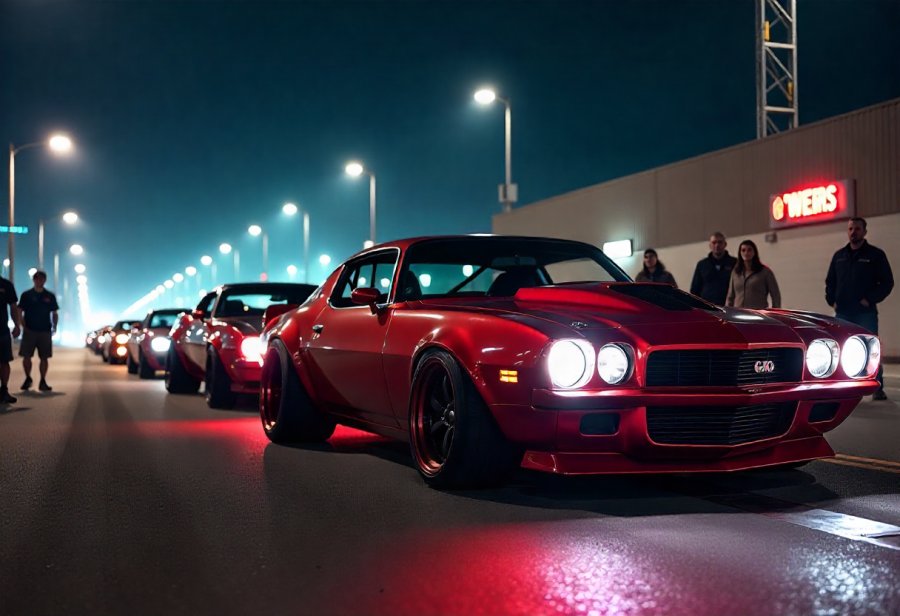
Navigating the Modern Landscape of Underground Street Racing
Today, underground street racing remains a resilient and ever-evolving scene, adapting quickly to new technology and shifting urban landscapes. With smartphones and social media, racers coordinate clandestine events more efficiently than ever, sharing footage and building reputations within tight-knit communities. This digital connectivity keeps the culture alive, making it easier for newcomers to find their place and stay connected despite the constant risks.
Modifications have grown more sophisticated, blending traditional craftsmanship with cutting-edge tech. Racers invest heavily in engine upgrades, turbochargers, lightweight parts, and electronic tuning, all aimed at gaining a speed edge. These enhancements aren’t just about performance; they’re a form of personal expression, showcasing skill and identity. Races are now more strategic, with crews planning routes and timing carefully to avoid law enforcement while pushing their cars to the limit.
Loyalty and brotherhood remain at the heart of this underground world. Crews support each other through victories and setbacks, sharing technical secrets and offering protection when needed. These bonds are reinforced through rituals, symbols, and shared experiences that turn fleeting night races into lifelong friendships. Cars are often decorated with symbols of loyalty, acting as badges of identity that deepen the sense of belonging.
Law enforcement has stepped up efforts in recent years, making it harder for racers to gather openly. Police crackdowns, fines, and vehicle seizures have pushed many underground events further into the shadows. Racers now rely on secret meeting spots, encrypted messages, and online forums to organize their races, heightening the sense of danger but also strengthening their bonds through shared secrecy.
Safety concerns are more prominent than ever, with many races happening on unpredictable streets that pose serious risks. Accidents and injuries are common, prompting some crews to explore safer, more organized alternatives that still preserve the adrenaline rush and camaraderie. This push for safer practices reflects a desire to sustain the scene’s spirit while reducing harm.
Despite these challenges, the core of underground racing endures. The scene continues to blend tradition with innovation, driven by a desire for freedom, identity, and community. Cars serve as symbols of loyalty, and the bonds formed through shared risks and secret meetups grow stronger over time. The culture’s resilience lies in its ability to adapt without losing its foundational values—trust, loyalty, and brotherhood in the face of constant change.
The Unbreakable Bonds of Street Racing Families
The bonds within street racing brotherhoods go far beyond the thrill of the race. These relationships are built on shared risks—late nights in dangerous neighborhoods, the ever-present threat of legal trouble, and pushing their cars to the edge. When lives are on the line, trust becomes essential. Racers quickly learn they can’t do it alone; they rely on each other’s judgment, skills, and support, forging a loyalty that’s rare outside these circles.
These crews often become like families, where loyalty means standing together through wins, setbacks, and law enforcement pressure. The connection is reinforced through rituals, secrets, and mutual respect. Simple gestures—a nod before a race or a handshake afterward—carry weight, creating a sense of belonging that extends far beyond the asphalt. Over time, these shared experiences turn fleeting adrenaline moments into lifelong friendships, with cars serving as badges of identity and allegiance.
Night racing intensifies this sense of kinship. The darkness provides cover, but it also fosters an environment where camaraderie flourishes. Racers exchange stories, share modification tips, and celebrate each other’s skills as if they were family traditions. These moments turn quick, dangerous races into lasting memories and unbreakable bonds. The symbols and custom paint jobs on their cars act as visual markers of loyalty, reinforcing their collective identity and sense of unity.
Maintaining harmony within these crews requires careful handling of conflicts. Disagreements are often settled privately, mediated by trusted members who understand the importance of preserving the crew’s integrity. Respect guides these resolutions, ensuring internal conflicts don’t fracture the family ties. This culture of mutual trust and understanding helps keep the bonds strong, even amid external threats, making the crew a sanctuary amid chaos.
The deep connection among racers is rooted in shared risks, secret rituals, and the unspoken language of loyalty. These bonds become a source of strength and resilience, turning fleeting night races into enduring relationships. For many, the brotherhood is more than just a community—it’s a lifelong family forged in high-octane moments of rebellion, trust, and speed.
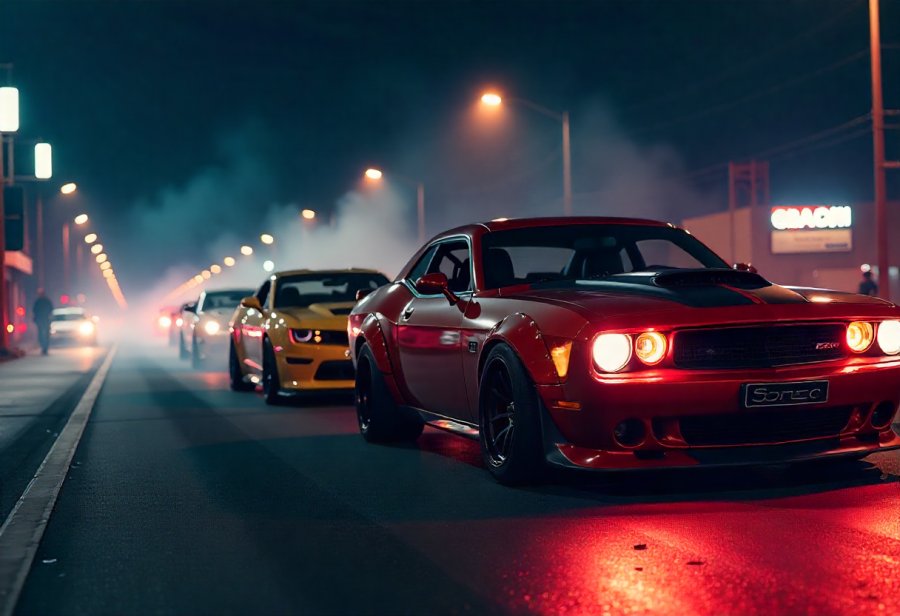
Evolving Loyalties: The Future of Street Racing Brotherhoods
Street racing brotherhoods have proven time and again that their strength goes well beyond the thrill of high-speed pursuits. These communities are rooted in resilience, built on shared risks and a deep sense of loyalty that endures despite constant external pressures. As technology advances, the scene continues to evolve—digital tools, encrypted messaging, and social media platforms help organize races and strengthen bonds even when physical gatherings become risky. This adaptation keeps the spirit of brotherhood alive, blending tradition with innovation in ways that sustain the culture’s core values.
Law enforcement efforts have intensified, making it more challenging for racers to gather openly. Yet, these communities respond by becoming more discreet, finding hidden locations and relying heavily on online networks to stay connected. This game of cat and mouse fosters a unique camaraderie, where shared secrecy and mutual support reinforce their bonds. Despite the dangers, the passion for racing and loyalty to their crews remain unshaken, fueling a resilience that keeps these groups thriving underneath the radar.
Safety concerns are more prominent than ever, with illegal street races often taking place on unpredictable roads that pose serious risks. Injuries and fatalities have pushed many crews to consider safer, more organized alternatives—still fueled by the desire for adrenaline and community but with a focus on reducing harm. Technology offers promising solutions, like advanced car modifications and race planning tools that could make these events both thrilling and safer. This shift hints at a future where the core spirit of underground racing can coexist with increased safety measures.
The essence of this culture isn’t just about cars or speed; it’s about identity, rebellion, and belonging. Cars become symbols of loyalty, and the bonds formed in secret meetups and late-night races turn into lifelong friendships. The sense of family and shared purpose fuels their drive to adapt and persevere, ensuring that the brotherhood remains unbroken across generations. As new members step into the scene, their ability to uphold these traditions while embracing change will determine how long this underground culture endures.
Looking ahead, the future of street racing brotherhoods hinges on their capacity to evolve without losing their core values. Digital platforms will likely play an even bigger role, facilitating organization and community-building in ways we haven’t yet seen. Safer, more organized events might become the norm, offering a way to preserve the adrenaline and camaraderie while minimizing risks. The spirit of rebellion and brotherhood—woven into every custom car, secret meetup, and shared risk—will continue to drive these communities forward, proving that loyalty and mutual trust are stronger than any law or obstacle.
At their heart, these groups are about more than just speed—they’re about connection, resilience, and identity. The bonds forged in the shadows of the city, through shared secrets and high-stakes risks, turn fleeting moments into lifelong relationships. No matter how much the scene changes, the unbreakable ties of loyalty, trust, and rebellion will keep the essence of underground racing alive. It’s a testament to the human need for belonging, self-expression, and pushing boundaries—values that will ensure this high-octane brotherhood endures well into the future.