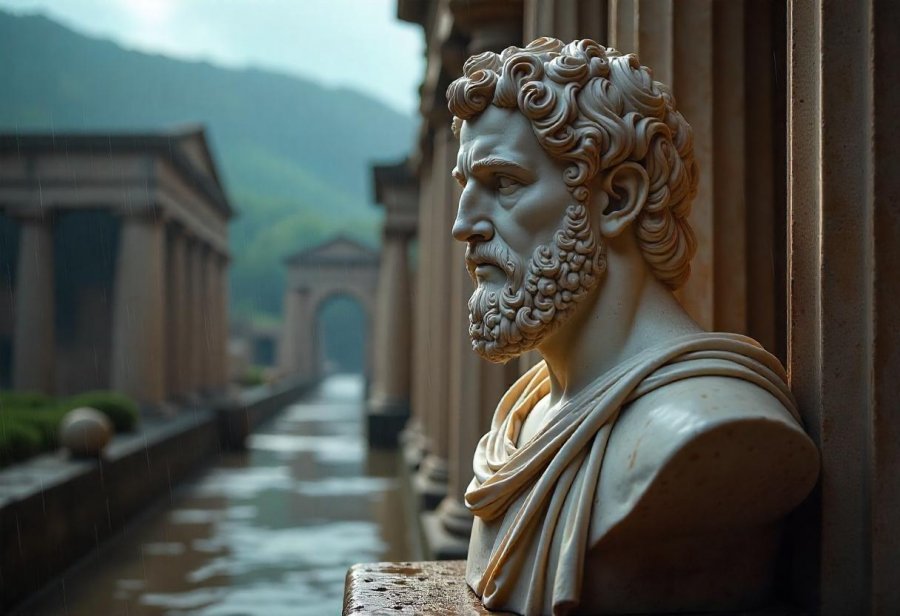
Christopher Columbus’s voyages mark a pivotal moment in global history, blending daring exploration with profound controversy. His journey across the Atlantic opened the door to the Americas, igniting an era of European colonization, trade, and cultural exchange that reshaped the world. Yet, beneath the narrative of discovery lies a story of exploitation, violence, and devastating impact on indigenous populations—diseases, forced labor, and cultural destruction that echo to this day. Columbus’s legacy is a complex tapestry of achievement and atrocity, prompting ongoing debate about how to honor or reevaluate his role. His voyages not only connected distant continents but also initiated centuries of conquest and upheaval, leaving a legacy that challenges us to confront both the heights of human curiosity and the depths of human cost. Are we celebrating bold discovery, or reckoning with a darker history of colonization? The answer lies in understanding the full scope of his impact.
Unveiling the Journey: How Columbus Changed the World Forever
When Christopher Columbus set sail from Spain in 1492, he embarked on a journey that would forever alter the course of history. His voyage is often remembered as the “discovery” of the Americas, but it was driven by more than just curiosity. Columbus’s expedition was fueled by ambition, a desire for wealth, and a belief that the vast ocean could lead to new opportunities and faster routes to Asia. His daring spirit opened the door to a world previously unseen by Europeans, setting in motion a series of events that would reshape global connections.
Columbus’s voyage marked the beginning of European exploration and colonization of the New World. While he was not the first to reach the Americas, his journey sparked a wave of expansion that would dominate history for centuries. His encounters with indigenous peoples in the Caribbean marked the start of a complex and often tragic chapter—one filled with conquest, cultural exchange, and profound upheaval. His voyages connected distant lands in ways never before imagined, laying the groundwork for a new, interconnected world.
The significance of Columbus’s journey extends beyond the discovery itself. It ignited a relentless drive among European nations to explore, claim, and settle new territories. The resulting colonization efforts led to the establishment of empires, the transfer of crops and animals, and the spread of European influence across the Americas. Yet, this expansion came with heavy costs, including the devastation of native populations through violence, disease, and displacement.
Columbus’s story is also a tale of complex legacy. For some, he symbolizes the adventurous spirit of exploration—an intrepid explorer who expanded our understanding of the world. For others, he represents the beginning of centuries of exploitation and suffering for indigenous communities. His treatment of native peoples involved forced labor, violence, and the spread of deadly diseases, effects that are still felt today. This duality has prompted ongoing debates about how to remember and interpret his role in history.
Despite its controversies, Columbus’s voyage undeniably reshaped world history. It proved that distant lands could be reached by sea, inspiring further exploration and the eventual colonization of vast territories. The Columbian Exchange, which began with his journey, transformed ecosystems, diets, and societies worldwide—both positively and tragically. His expedition set in motion a global process of exchange and conflict that continues to influence our world.
Today, the legacy of Columbus remains deeply contested. While some celebrate him as a pioneer who expanded human horizons, others see him as a symbol of colonial injustice. Recognizing both aspects is key to understanding his true impact. His voyage was a turning point—a moment that expanded the known world but also initiated a long history of conquest and cultural upheaval. It’s a story of exploration that forever changed how we see our place in the interconnected fabric of the globe.
From Genoa to Greatness: Columbus’s Early Years and Rising Ambitions
Christopher Columbus was born in Genoa, Italy, around 1451, into a modest family. His father, Domenico, was a wool weaver, and his mother, Susanna, came from a family of merchants. Growing up in a busy port city, Columbus was exposed early on to maritime life, which sparked his fascination with ships, navigation, and distant lands. From a young age, he showed a keen interest in geography and exploration, often studying maps and charts with curiosity and enthusiasm. This early passion laid the foundation for his lifelong pursuit of discovering new routes and territories.
By his teens, Columbus was already sailing along European coasts, gaining practical experience navigating the unpredictable waters of the Mediterranean and Atlantic. These early voyages sharpened his seamanship skills and deepened his desire for adventure. His familiarity with ships, currents, and wind patterns made him confident that he could take on the challenge of crossing the vast Atlantic Ocean. During this period, he also became deeply influenced by the writings of ancient geographers, especially Ptolemy, whose maps suggested that the world was smaller and more connected than many believed.
Columbus’s humble background did not limit his ambitions. His fascination with distant lands grew stronger as he gained experience at sea. By his early twenties, he was working as a sailor on merchant ships, traveling widely across Europe’s waters and even reaching West Africa. These journeys expanded his understanding of ocean currents, navigation techniques, and the possibilities of westward exploration. Despite limited resources, Columbus remained convinced that a shorter, westward route to Asia existed—an idea many of his contemporaries considered bold or even impossible.
The concept of sailing west to reach Asia had been around for centuries, proposed by ancient scholars and explorers. Columbus was heavily influenced by the works of Ptolemy and other geographers, who depicted a world that was smaller and more manageable to navigate. His conviction was fueled by his own observations of maps and texts, which he studied meticulously. Though many doubted the feasibility, Columbus’s confidence in his vision grew, driven by curiosity, ambition, and a resolute belief that he could prove the world’s secrets.
His early years in Genoa and at sea shaped his worldview and prepared him for the monumental journey ahead. Columbus’s modest beginnings did not define his dreams; instead, his passion for geography and exploration pushed him to aim higher. The skills he acquired navigating European waters and the knowledge gained from ancient texts combined to forge a young man eager to leave his mark on history. These formative experiences set him on a path toward the daring voyage of 1492, a journey that would forever alter our understanding of the world.
The Historic 1492 Voyage: Discovering the New World
Columbus spent years trying to secure financial backing for his voyage, facing rejection from Portugal and England before finally gaining support from Spain’s monarchs, Queen Isabella and King Ferdinand. They saw potential in his plan to find a westward route to Asia and agreed to sponsor his expedition, hoping it would bring wealth and strategic advantage. With three ships—the Santa María, the Pinta, and the Niña—he prepared meticulously, choosing experienced crew members and setting out with high hopes of discovery, riches, and empire-building.
On August 3, 1492, Columbus and his fleet set sail from Palos de la Frontera, venturing into the vast Atlantic. The journey was fraught with uncertainty and tension. The crew, many doubtful of Columbus’s navigation skills, grew restless as weeks passed without sight of land. Storms and the endless ocean tested everyone’s resolve, but Columbus’s confidence and leadership kept morale afloat. He assured his crew that land was near, even as doubts simmered among them.
After more than two months at sea, land finally appeared on the horizon. On October 12, 1492, the ships reached a small island in the Caribbean, which Columbus named San Salvador. Believing he had reached the outskirts of Asia, Columbus began exploring the nearby islands. His encounters with indigenous peoples were cautious but promising, as he saw their potential for alliances and resources. Little did he know, he had stumbled upon a continent unknown to Europeans—the Americas.
Columbus’s discovery marked a turning point in history. It opened a new chapter of exploration and colonization, setting Europeans on a path toward empire-building across the Atlantic. While he thought he had found Asia, Columbus had actually discovered a “New World,” rich with diverse cultures and histories. His voyage sparked a global exchange—plants, animals, and diseases—that would reshape ecosystems and societies, often with devastating consequences for indigenous populations.
This voyage also proved that distant lands could be reached by sea, fueling further exploration. European powers like Spain and Portugal rushed to claim territories, driven by the promise of wealth and strategic advantage. Columbus’s success laid the groundwork for centuries of colonization, which would spread European influence across the Americas and beyond. His journey forever changed the way the world viewed itself, connecting continents in ways never before imagined.
Conquest and Controversy: The Dark Side of Columbus’s Colonization
Columbus’s voyages marked the dawn of European colonization in the Americas, but the methods and consequences were often brutal. As he and subsequent explorers established settlements, indigenous peoples faced displacement from their lands and were subjected to violence and forced labor. Columbus’s own actions set a precedent—imposing harsh systems of control, demanding tribute, and using military force against tribes that resisted. These early acts of conquest initiated a cycle of exploitation that would last for centuries, devastating native populations and disrupting their way of life.
The arrival of Europeans brought devastating diseases like smallpox, measles, and influenza, to which indigenous peoples had no immunity. These illnesses spread rapidly, wiping out entire communities and causing demographic collapses that decimated many native cultures. Coupled with violence and land dispossession, these factors led to a profound loss of life, language, and tradition. Columbus’s treatment of native peoples, often marked by brutality, laid the groundwork for systemic exploitation and cultural destruction.
Native populations were often forced into labor to extract gold and resources. Columbus’s enforcement of forced labor systems and slavery tore apart social structures, causing suffering that echoed through generations. Indigenous communities faced violent campaigns aimed at controlling their lands and resources, with little regard for their sovereignty or well-being. These practices set a template for colonial exploitation, embedding violence and dispossession into the very fabric of colonization.
Cultural upheaval followed physical violence. Europeans imposed new laws, religious doctrines, and customs that clashed with native traditions. Entire societies were reshaped as indigenous peoples were displaced from their homelands, their languages and rituals suppressed or eradicated. This destruction of cultural identity resulted in the loss of countless indigenous stories, knowledge, and practices—losses that continue to be mourned today.
The scramble for land and wealth fueled conflicts among European powers, especially Spain, Portugal, France, and England. The desire to claim and control new territories led to violent clashes with indigenous groups and rival nations alike. Columbus’s voyages catalyzed this competitive drive, transforming exploration into conquest and territorial conquest into empire-building. These struggles laid the foundation for enduring geopolitical tensions and shaped the colonial map of the Americas.
In recent years, the darker legacy of Columbus’s colonization has come under intense scrutiny. Statues have been removed, and holidays reevaluated, as communities reckon with the violence and dispossession that marked his era. Recognizing both the achievements and the atrocities associated with Columbus is crucial for a complete understanding of his impact. His role in history is a reminder of the complex, often painful legacy that exploration and expansion have left behind.
The story of Columbus’s colonization efforts underscores a fundamental truth: progress often comes with profound costs. The combined forces of violence, disease, and cultural destruction reshaped the Americas and left scars that persist today. Acknowledging this history is essential for understanding the full scope of his legacy—and for fostering a more honest conversation about the ongoing effects of colonization on indigenous communities worldwide.
Legacy of Discovery: How Columbus’s Voyages Reshaped Humanity’s Future
Columbus’s voyages reshaped the course of global history in ways that are still felt today. His journeys opened the Americas to European exploration, colonization, and economic expansion, setting in motion a wave of change that would influence nations and cultures for centuries. The transfer of crops, animals, and technologies—collectively known as the Columbian Exchange—transformed societies across the world. While these exchanges brought new foods and innovations, they also unleashed devastating diseases that decimated indigenous populations and upended entire ecosystems.
His success proved that distant lands could be reached by sea, inspiring a new era of exploration. European powers scrambled to claim territories, driven by the promise of wealth and strategic advantage. Columbus’s voyages laid the groundwork for empire-building, shaping the geopolitical landscape that continues to influence global affairs today. The interconnectedness forged by his journeys accelerated trade and cultural exchange, creating a world more connected than ever before.
Yet, Columbus’s legacy remains deeply complex. For many, he symbolizes daring exploration—an explorer who expanded human horizons. For others, he embodies the start of centuries of violence, displacement, and cultural erasure faced by indigenous peoples. His treatment of native communities involved forced labor, violent clashes, and the spread of diseases that wiped out entire societies, leaving scars that persist. Recognizing both the achievements and the atrocities is essential to understanding his full impact.
The long-term effects of his voyages include the establishment of colonial systems that prioritized wealth extraction and territorial control. These systems often relied on exploitation, systemic violence, and cultural suppression, shaping generations of indigenous suffering. The legacy of displacement and loss continues to influence native communities, fueling ongoing debates about historical memory and justice.
Today, the debate over Columbus’s role in history is more vibrant than ever. Statues are being removed, holidays reevaluated, and narratives challenged. Many seek to confront the darker aspects of his legacy, emphasizing the need for a more nuanced understanding of exploration’s costs. His story reminds us that progress often comes with profound moral and human costs, urging a reflection on the true meaning of discovery.
Columbus’s voyages did indeed connect worlds, but they also set in motion a cycle of conquest and cultural upheaval. His impact is a testament to the power of exploration to inspire, but also to devastate. Recognizing the full scope of his legacy helps us understand the complex history that shaped the modern world—a history of both daring achievement and tragic consequence.