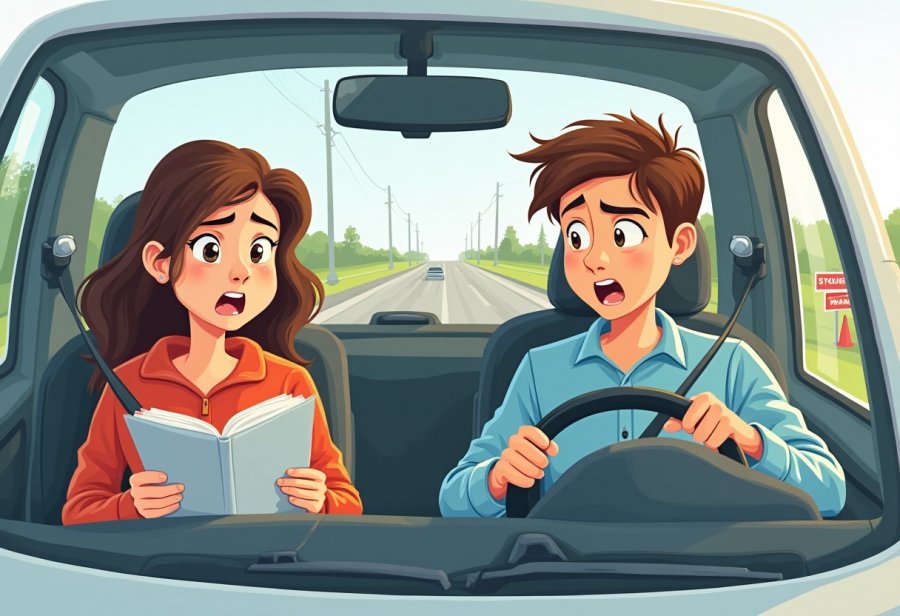
Embarking on your first camping adventure might seem daunting—tent setup, outdoor chores, unpredictable weather—all can trigger hesitation. But what if a simple shift in mindset transforms those initial nerves into excitement and discovery? This guide reveals how approaching camping with positivity and curiosity turns obstacles into learning opportunities, fostering resilience and confidence. It highlights that a relaxed attitude not only eases challenges like gear mishaps or weather surprises but also deepens your connection to nature and yourself. The landscape of camping has never been more accessible, with options ranging from car camping to minimalist backpacking and luxurious glamping, making outdoor adventures inviting for all. Budget-friendly strategies and practical tips ensure a smooth experience without financial strain. More than just an activity, camping nurtures patience, problem-solving, and teamwork—traits that extend into daily life. So, are you ready to embrace nature’s magic with an open mind and transform your outdoor journey into a rewarding, confidence-building experience?
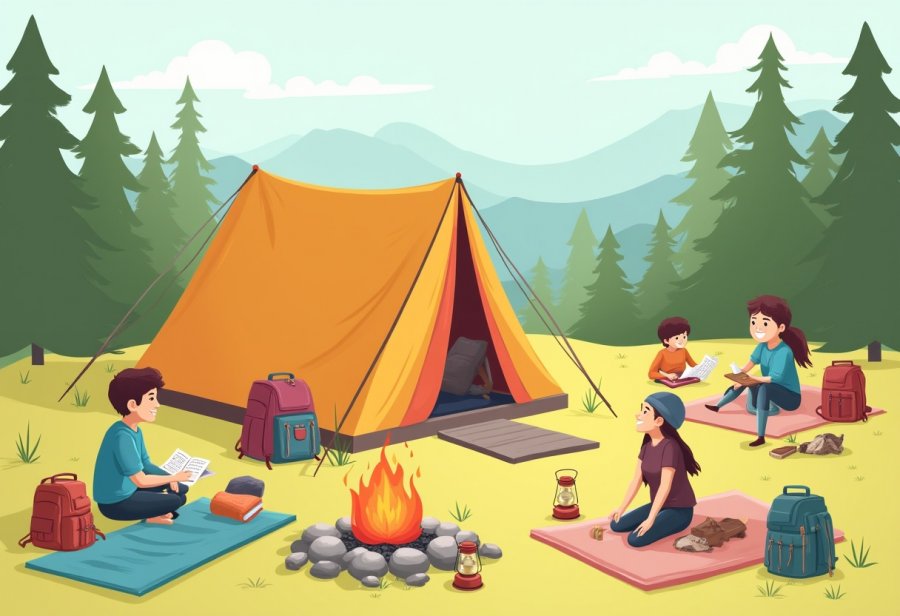
Transforming First-Time Camping Into a Confident Adventure with a Positive Mindset
Starting your first camping trip can feel a bit intimidating. The thought of setting up a tent, managing outdoor chores, and facing unpredictable weather might make you hesitate. But the secret to turning those nerves into excitement lies in your mindset. Approaching the experience with positivity and curiosity transforms potential hurdles into part of the adventure. When you focus on what you can learn and enjoy—like discovering new scenery or mastering simple skills—you set yourself up for a memorable trip.
A good camping mindset isn’t just about staying relaxed; it’s about embracing the unknown with an open heart. Every mistake, whether it’s forgetting a piece of gear or dealing with a sudden downpour, becomes an opportunity to learn and grow. This outlook keeps frustration at bay and makes the experience more fun. When you see setbacks as part of the journey, your confidence grows, and outdoor challenges start to feel like stepping stones rather than obstacles.
Thinking positively also encourages patience and resilience. Instead of stressing over every little mishap, you learn to laugh it off or find creative solutions. Over time, this perspective builds a sense of calm and adaptability—qualities that not only make your camping trips smoother but also translate into everyday life. The more you practice approaching outdoor adventures with optimism, the more natural it becomes to handle life’s ups and downs with a steady mind.
This mindset doesn’t just improve your trip; it deepens your connection with nature and yourself. When you step outside with enthusiasm and an open attitude, you open the door to genuine discovery. Each trip becomes more than just a getaway—it’s a chance to build patience, resilience, and a sense of adventure that can carry over into daily routines. Ultimately, your attitude shapes your experience, turning first-time camping into a rewarding and confidence-boosting journey.
Building Your Foundation: Essential Knowledge for Outdoor Beginners
Camping is an outdoor activity that involves spending a night immersed in nature, typically in tents, cabins, or simple shelters. For beginners, it can feel like stepping into a new world filled with unfamiliar gear and routines. The main goal is to relax, explore, and disconnect from daily life—whether that’s waking up to bird songs, roasting marshmallows over a campfire, or simply enjoying the fresh air. Understanding the basics can help turn initial nerves into excitement and set a positive tone for your adventure.
Historically, camping has roots that stretch back centuries, evolving from survival practices into a popular leisure activity worldwide. Today, it takes many forms—from car camping at established sites with amenities like restrooms and picnic tables to minimalist backpacking into remote wilderness. This variety means there’s something for everyone, especially beginners, who might prefer a straightforward experience with fewer surprises. Choosing a campsite with basic amenities can make the transition into outdoor living smoother and more approachable.
Knowing what essentials to bring makes a big difference. Focus on packing a dependable tent, warm sleeping bags, and simple cooking gear. Creating a checklist and opting for multi-use items, like a versatile stove or a sleeping bag suitable for various weather conditions, helps keep your pack manageable. Planning ahead reduces stress during the trip, allowing you to focus on enjoying your time outdoors rather than stressing over forgotten items or last-minute purchases.
Familiarizing yourself with your chosen location also enhances your experience. Research nearby water sources, safety tips, and weather conditions to prepare for what to expect. Learning how to set up your tent, build a safe campfire, and store food properly helps protect both you and the environment. Remember, setbacks like rain or missing gear happen to everyone—view these as part of the learning process rather than failures. The more you understand and prepare, the more confident you’ll feel stepping into the outdoors.
Having a positive attitude is just as crucial as packing well. Approaching camping with curiosity and patience encourages a relaxed mindset that makes handling challenges easier. Every small success—whether troubleshooting a tent or improvising a meal—builds confidence and resilience. These outdoor lessons translate into everyday life, helping you stay calm under pressure and approach problems with flexibility. When you start your camping journey with an open mind, each trip becomes not just about the destination, but about growth and discovery.
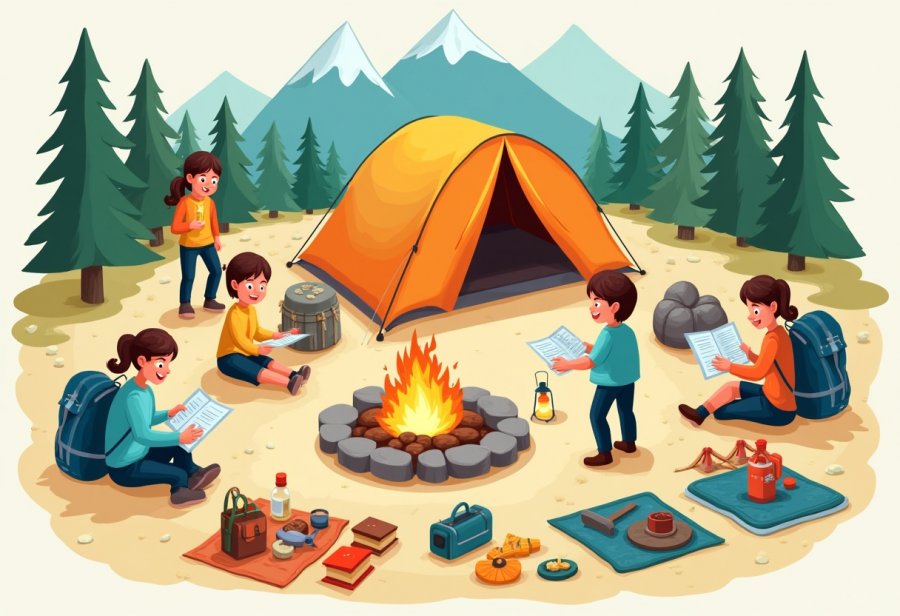
Exploring Today’s Diverse and Accessible Camping Scene
Today’s camping scene is more diverse and accessible than ever, offering a wide range of options to suit different tastes and comfort levels. For many beginners, car camping remains the easiest entry point. You simply drive to a designated site, unload your gear, and settle in with amenities like restrooms, picnic tables, and sometimes even Wi-Fi. This makes outdoor adventures feel manageable and less intimidating, especially for those just starting out.
On the other end of the spectrum, minimalist backpacking has gained popularity among those seeking a deeper connection with nature. Carrying only the essentials in a lightweight pack, hikers venture into remote wilderness, sleeping under the stars or in hammocks. While this style demands more planning and effort, it offers a sense of adventure and solitude that many find incredibly rewarding. Meanwhile, family-friendly campgrounds with playgrounds and organized activities make outdoor fun accessible for kids, blending comfort with exploration.
Technological advances continue to shape camping experiences. Lightweight tents, portable power banks, and user-friendly gadgets make setting up and staying connected easier than before. Portable solar panels and rechargeable batteries help keep devices powered without relying on the grid, reducing the barrier of feeling disconnected. Many parks now host organized events, guided hikes, and communal spaces that foster a welcoming environment for newcomers.
Another trend gaining momentum is glamping, combining outdoor living with luxury comforts. Think plush bedding, climate control, and stylish furnishings—making outdoor stays appealing even to those hesitant about roughing it. Eco-friendly camping practices are also on the rise, emphasizing sustainable gear and responsible behavior to minimize environmental impact. These shifts make outdoor adventures more inclusive and appealing to a broader audience.
Overall, the camping landscape has become more flexible and welcoming. It’s no longer just about roughing it in the wild; it’s about finding what suits your style and comfort level. Whether you prefer a simple tent in a local park or an adventurous trek into the wilderness, there’s something for everyone. This variety encourages more first-timers to try camping with confidence and enjoy the outdoors.
Planning your trip now is easier thanks to abundant options. Milder weather, longer daylight hours, and organized events create ideal conditions for beginners. Doing some research beforehand—like booking spots, gathering gear, and setting realistic expectations—helps ensure a smooth, enjoyable experience. The more you explore, the more comfortable and eager you’ll become to discover new outdoor horizons.
Smart Budgeting for Memorable and Affordable Outdoor Experiences
Camping doesn’t have to be a costly activity, especially for newcomers eager to explore the outdoors without breaking the bank. While there are some initial expenses—such as purchasing a tent, sleeping bags, and basic cooking gear—you don’t need the most expensive options to enjoy a good trip. Affordable gear options are widely available, and shopping during sales or at second-hand stores can help you find quality equipment at a fraction of the retail price. Building your kit gradually allows you to spread out costs while ensuring you have reliable gear for your adventures.
Campsite fees and permits vary depending on location. Some public parks charge a nightly rate, often between $10 and $30, but many also offer free or low-cost camping areas. Doing a bit of research before your trip can uncover budget-friendly spots that still provide a great outdoor experience. Planning ahead and setting a realistic budget helps prevent last-minute expenses that can add up quickly, making your trip more relaxed and enjoyable.
Focusing on multi-use gear is a smart way to maximize value. Items like versatile stoves or sleeping bags suitable for different weather conditions mean fewer things to carry and more use from each purchase. Shopping during sales, clearance events, or second-hand markets can make higher-quality gear more accessible without overspending. As you gain experience, you can upgrade your equipment gradually based on what suits your style of camping best.
Meal planning also plays a significant role in budgeting. Preparing simple, non-perishable meals at your campsite typically costs less than eating out or buying pre-made snacks. Bringing your own food and cooking over a campfire adds to the fun and saves money. Lightweight staples like dried fruits, nuts, and instant meals help keep costs down while providing the energy you need for outdoor activities.
Enjoying a comfortable, safe camping experience doesn’t require a big investment. By prioritizing essentials, taking advantage of deals, and being strategic with your packing, you can create memorable outdoor trips without financial stress. Many first-timers find that sticking to a budget allows them to relax and fully enjoy their time in nature rather than worrying about expenses.
Smart spending at the start leads to more trips and more outdoor adventures. Learning what gear works best for you helps you make better choices over time, ensuring each outing is more enjoyable and cost-effective. The key is to focus on quality over quantity and to be flexible with your options—remember, the goal is to have fun and connect with nature, not to own the most expensive gear.
Managing costs wisely lets you prioritize experiences—exploring new places, learning new skills, and making lasting memories. With some planning, camping becomes an affordable way to reconnect with the outdoors and nurture your sense of adventure. The real investment lies in the stories you create and the confidence you build, not in the price tag of your gear.
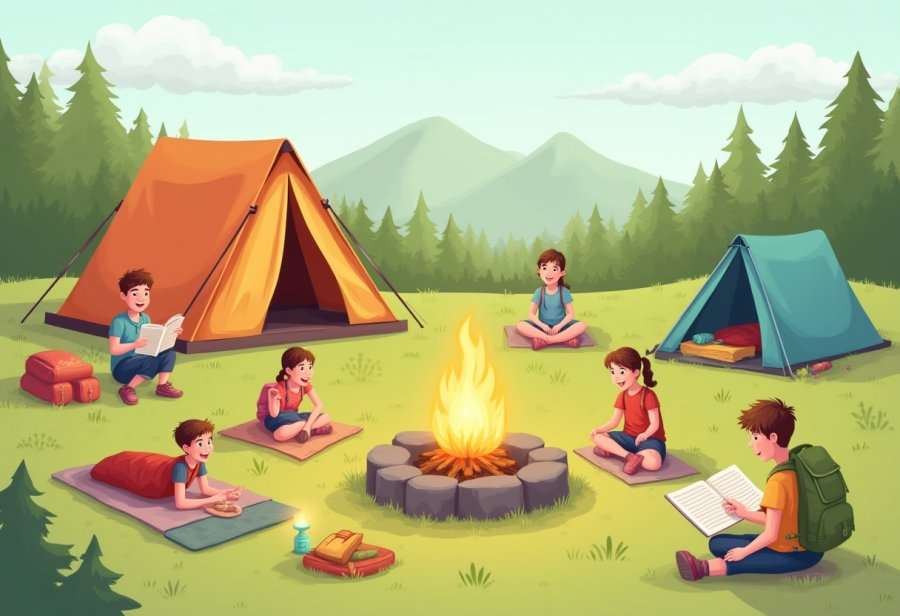
How a Positive Camping Attitude Inspires Growth and Resilience in Daily Life
A positive camping mindset isn’t just about enjoying outdoor trips—it can also shape how you approach everyday challenges. When you learn to stay calm under pressure outdoors, those skills naturally transfer to work, relationships, and personal growth. Overcoming obstacles like sudden rain or equipment mishaps builds resilience and confidence, proving that setbacks are opportunities to adapt and learn. This mindset encourages a problem-solving attitude that helps you navigate life’s many uncertainties with patience and optimism.
Many find that the calm and patience cultivated during outdoor adventures spill over into daily routines. Sitting around a campfire or listening to the sounds of nature creates a mental space where worries fade and mindfulness grows. This relaxed perspective makes it easier to handle deadlines, social tensions, or unexpected surprises at work. The more you practice staying positive outdoors, the more natural it becomes to respond to stress with clarity and composure, fostering better decision-making and emotional resilience.
Outdoor experiences also strengthen your ability to work with others. Whether setting up a tent or sharing a campfire, collaboration and patience are key. These moments of teamwork deepen bonds and improve communication—lessons that translate into more harmonious relationships at home and in the workplace. Learning to appreciate different strengths and perspectives outdoors helps build empathy and cooperation, valuable traits in any setting.
Beyond personal skills, a positive camping attitude inspires a broader sense of curiosity and adventure. It encourages you to seek new places, try different activities, and embrace new challenges with enthusiasm. Each trip becomes a stepping stone toward greater confidence and independence, fueling your desire to explore further. This adventurous spirit keeps life engaging and reminds you that growth often happens outside your comfort zone.
In the end, cultivating a resilient, optimistic mindset through camping enriches your daily life far beyond the outdoors. It teaches you to face setbacks with grace, find joy in the simple moments, and approach new experiences with eagerness. These qualities not only make outdoor adventures more rewarding but also foster a more resilient, confident, and adventurous outlook on life itself.