The Ford Mustang embodies American muscle, freedom, and rebellion—yet what makes this iconic car a timeless legend that captivates drivers across generations? From its debut in the 1960s to today’s modern marvels, the Mustang balances rich heritage with cutting-edge innovation. Its bold silhouette, signature grille, and muscular lines evoke nostalgia, while turbocharged engines and advanced technology keep it relevant and exhilarating. Beyond its impressive design and performance, the Mustang has become a cultural icon, symbolizing independence, adventure, and resilience—amplified through movies, music, and racing success. As Ford pushes toward electrification and sustainability, can the Mustang maintain its legendary spirit? This ongoing evolution raises a compelling question: How does a car that’s become a symbol of rebellion and freedom adapt to a rapidly changing automotive world without losing its soul? The legacy of the Mustang endures, promising new stories of thrill, individuality, and American ingenuity.
Discover the Iconic Spirit of the Ford Mustang
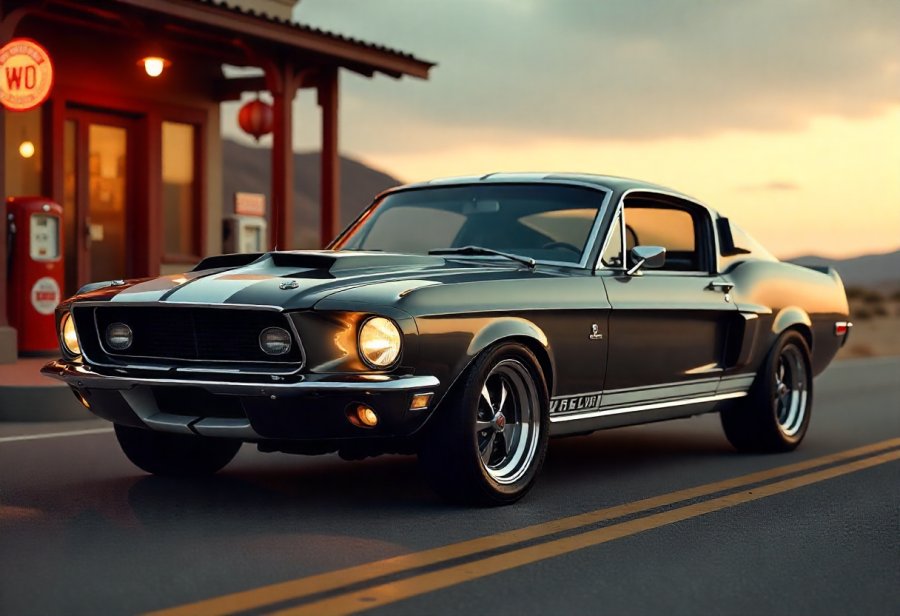
The Ford Mustang is more than just a car; it’s a symbol of American innovation and the rebellious spirit that has defined the nation’s automotive culture. Since its debut in the 1960s, the Mustang has stood out not only because of its bold design but also because of what it represents—freedom, power, and individuality. Its striking silhouette, characterized by a long hood and a short rear deck, instantly catches the eye and has become one of the most recognizable shapes in the automotive world.
From the very beginning, the Mustang was crafted to appeal to a broad audience. Ford aimed to create a sporty yet affordable car that could ignite the imaginations of young drivers and thrill-seekers alike. The result was a vehicle that combined sleek aesthetics with exhilarating performance, setting a new standard for American muscle cars. It became more than just a mode of transportation; it became a cultural icon that embodied the youthful desire for adventure and independence.
Over the decades, the Mustang’s legacy has only grown stronger. It has evolved through various redesigns and technological upgrades, but it has always stayed true to its roots. Its design details—like the signature front grille with the galloping pony emblem, muscular fenders, and flowing lines—have remained consistent, reinforcing its identity as a classic American muscle car. These elements not only make the Mustang visually striking but also serve as symbols of its enduring performance and style.
The car’s significance extends beyond aesthetics. The Mustang has been a pioneer in performance engineering, offering powerful V8 engines and advanced handling features that deliver an adrenaline rush with every drive. From early models with modest engines to today’s turbocharged and high-horsepower variants, it has continuously pushed boundaries in speed and responsiveness. More than just a vehicle, it’s a statement of freedom and mastery behind the wheel.
Today, the Mustang remains a beloved icon, blending modern technology with its rich heritage. Contemporary models incorporate digital dashboards, driver-assist features, and innovative safety systems, all while honoring the original’s rugged, muscular appeal. This balance ensures the Mustang continues to inspire new generations of drivers—those seeking excitement, individuality, and a connection to a legendary American legacy.
Journey Through the Mustang’s Evolution
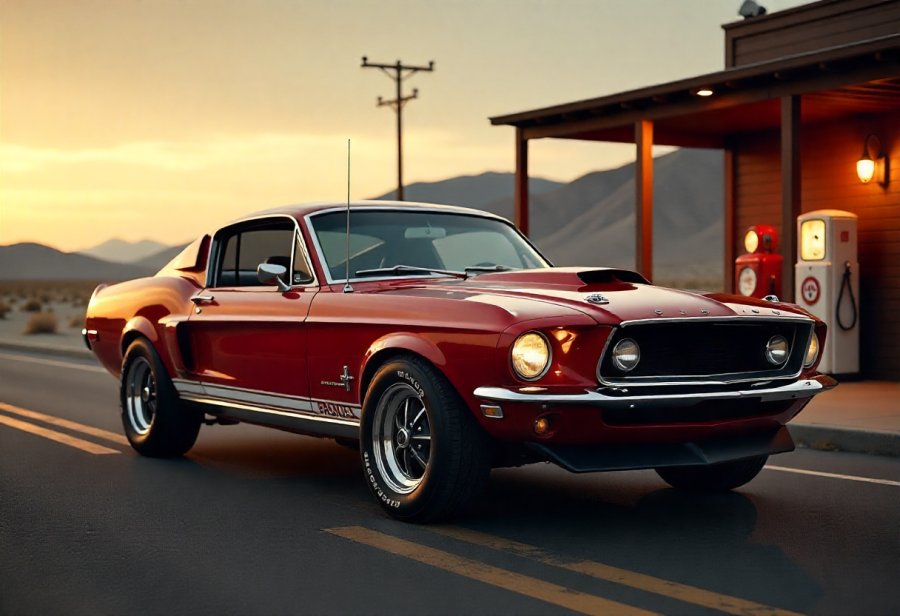
The story of the Ford Mustang begins in 1964, when it made its debut at the New York World’s Fair. Designed to combine sporty performance with an affordable price, the Mustang was an instant hit. Its distinctive long hood and short rear deck created a sleek, aerodynamic silhouette that set a new standard in the automotive world. The car’s immediate success sparked a wave of imitators and led to the creation of a whole new segment known as the “pony car,” which quickly gained popularity among American drivers.
From the start, the Mustang embodied the spirit of freedom and rebellion. Ford’s marketing emphasized a lifestyle of adventure and individuality, appealing to young drivers eager to stand out. Early models offered a range of engines and body styles, from convertibles to fastbacks, giving buyers a sense of customization and personal expression. This approach helped the Mustang forge a deep emotional connection with its audience, transforming it into more than just a vehicle—it’s a cultural phenomenon.
Throughout the 1960s and early ’70s, the Mustang evolved with new designs and performance upgrades. Special editions like the Shelby GT350 and GT500 pushed the limits of power and style, making the Mustang synonymous with speed and racing prowess. These high-performance variants solidified its reputation as a true American muscle car, capturing the imagination of enthusiasts and racers alike. The muscle car era defined this period, and the Mustang became its flagship.
As the decades rolled on, shifting industry trends and changing consumer preferences challenged the Mustang’s dominance. Fuel prices increased, safety regulations tightened, and the muscle car craze waned. Yet, Ford remained committed to preserving the model’s legacy, updating it with modern technology while respecting its roots. The 2005 revival, for instance, blended nostalgic design cues with contemporary features, reigniting interest among old fans and new generations.
Today’s Mustang continues this evolution, seamlessly integrating turbocharged engines, advanced electronics, and cutting-edge safety systems. Despite these innovations, it preserves the iconic design elements—muscular lines, the signature grille, and a bold stance—that make it instantly recognizable. Each iteration pays homage to its heritage while pushing forward, ensuring the Mustang remains a symbol of American automotive ingenuity and performance across generations.
The Mustang’s Role in Shaping American Culture
The Ford Mustang’s influence extends far beyond its impressive design and engineering; it has become a cultural icon that helped shape American identity in profound ways. Its appearances in movies, television, and advertising have crafted a lasting image of rebellion, freedom, and adventure. Iconic scenes, like Steve McQueen’s high-speed chase in “Bullitt,” transformed the Mustang into a symbol of cool independence and daring—images that have endured across generations. These moments elevated the car from a mere vehicle to a mythic emblem of thrill and resilience.
As the Mustang gained prominence on screens and in media, it also became a powerful lifestyle statement. Car enthusiasts and collectors formed communities centered around their Mustangs, sharing stories, customizing, and celebrating their vehicles’ unique personalities. Owning a Mustang became a way to express individuality and defy conformity, reinforcing its reputation as more than just transportation—the embodiment of personal freedom and daring spirit.
During the social upheavals of the 1960s, the Mustang’s legacy grew even stronger. It resonated with a generation eager to challenge norms and carve out their own paths. Its affordability and accessibility made it the “car of the people,” a symbol of rebellion and independence. Media frequently depicted the Mustang as the vehicle of choice for adventurers and rebels, cementing its status as a vessel of American resilience and youthful energy.
The Mustang’s racing success further cemented its societal impact. Victory in motorsports showcased its engineering excellence and high performance, elevating it from a personal statement to a nationwide symbol of American innovation. Its presence on the racetrack reinforced the idea that the Mustang wasn’t just about style—it was built for speed, mastery, and pushing limits. This racing heritage continues to inspire enthusiasts and reinforces its cultural significance.
Today, the Mustang’s influence persists, inspiring new generations through its enduring image of freedom and daring. Its presence in movies, music, and pop culture keeps its spirit alive, reminding us that it’s more than just a muscle car—it’s a symbol of the American dream. The car’s cultural footprint demonstrates how a vehicle can embody values like independence, resilience, and adventure, shaping American identity with every mile.
Ultimately, the Mustang’s cultural and societal impact is a testament to its power as an icon. It has transcended automotive engineering to become a symbol that unites people around shared ideals of strength, independence, and daring. The legacy it continues to build reflects its role as more than a car—it’s a living piece of American history, inspiring stories, dreams, and adventures across generations.
What Makes the Mustang an Enduring Legend
The Ford Mustang’s enduring appeal lies in its remarkable ability to evolve without losing sight of what made it an icon in the first place. Its core identity—symbolizing freedom, power, and rebellious spirit—remains intact, even as each new generation introduces modern technology and design updates. This delicate balance between tradition and innovation keeps the Mustang relevant and captivating across decades, attracting both longtime enthusiasts and newcomers alike.
A big part of its longevity is the timeless design that instantly evokes a sense of heritage. The signature silhouette, with its muscular lines and distinctive grille, continues to resonate emotionally. Yet, each iteration injects contemporary features—turbocharged engines, smart electronics, safety tech—that meet today’s standards. This seamless blend of old and new ensures that the Mustang feels both familiar and fresh, maintaining its appeal in a competitive market.
Performance continues to be at the heart of the Mustang’s lasting popularity. Every generation pushes the boundaries of speed and handling, from the roar of classic V8 engines to the agility of modern turbocharged models. Advanced engineering, such as adaptive suspensions and electronic aids, enhances the driving experience, making every ride feel exhilarating. This relentless pursuit of performance keeps the Mustang’s reputation as a true driver’s car alive and thriving.
Beyond engineering, the Mustang’s cultural significance fuels its continued relevance. Its iconic appearances in movies, music, and media have cemented its status as a symbol of daring and independence. Owning a Mustang is more than just having a vehicle; it’s about embodying a lifestyle—one that values individuality, adventure, and breaking free from convention. This emotional connection ensures that the Mustang remains more than a car—it’s a statement.
Loyalty among owners and fans plays a crucial role in its lasting legacy. Generations pass down stories and admiration, creating a community rooted in shared passion. Ford’s ongoing dedication to honoring its heritage, while embracing new technology, fosters a sense of continuity that keeps the brand fresh and desirable. This cycle of tradition and innovation helps the Mustang withstand economic shifts and industry changes.
At its core, the Mustang’s relevance stems from its universal appeal. It symbolizes resilience, freedom, and daring—values that transcend time and geography. Its design, performance, and cultural footprint work together to inspire new stories and adventures, ensuring its legacy endures well into the future. As long as drivers seek excitement and self-expression, the Mustang will continue to stand as a powerful icon of American spirit and innovation.
Reflections on the Mustang’s Future and Lasting Legacy
The Ford Mustang’s legacy is rooted in a perfect blend of bold design, exhilarating performance, and cultural influence that continues to resonate today. Its ability to adapt to technological advances and shifting industry trends has allowed it to stay relevant while honoring its historic roots. This balance between innovation and tradition ensures that each new model captures the spirit of freedom and rebellion that made it an icon, appealing to both longtime enthusiasts and new fans alike.
Looking forward, the future of the Mustang remains promising. Ford’s investments in electrification and cutting-edge engineering suggest the model will evolve in exciting ways, blending sustainability with high performance. The introduction of electric models like the Mustang Mach-E demonstrates how the brand is expanding its legacy into a cleaner, smarter future without sacrificing the thrill that defines it. This shift highlights the brand’s commitment to preserving the core values of strength, independence, and adventure in a rapidly changing automotive landscape.
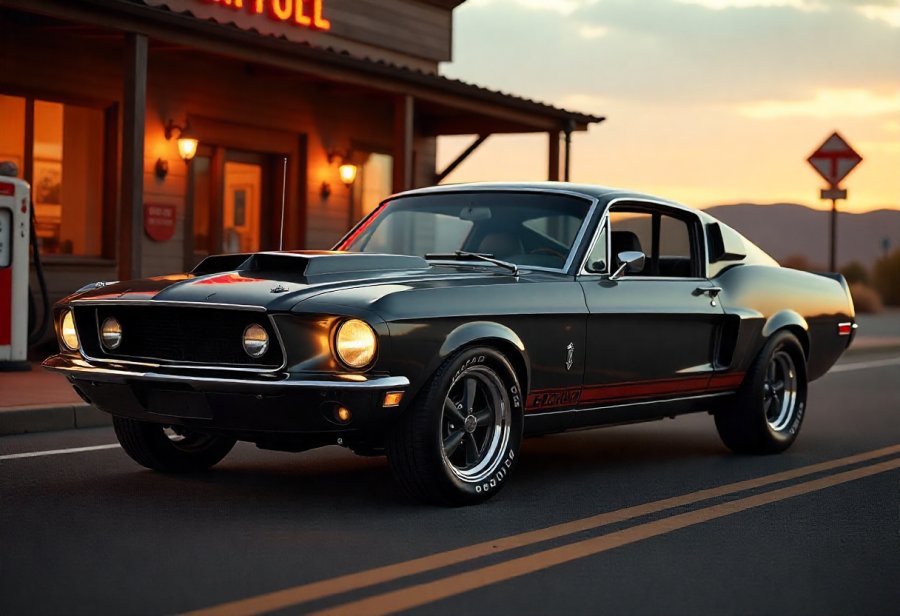
Despite these innovations, the essence of the Mustang—the muscular silhouette, signature grille, and aggressive stance—continues to evoke the same feelings of power and daring as the original. This visual consistency reassures fans that even as the car evolves, its identity remains intact. Each new iteration pays homage to its roots while pushing boundaries, reinforcing its status as a timeless symbol of American ingenuity and resilience.
Beyond engineering, the Mustang’s cultural significance fuels its enduring appeal. Its iconic appearances in movies, music, and media have cemented its position as a symbol of rebellion, freedom, and adventure. Owning a Mustang is no longer just about transportation; it’s about embodying a lifestyle that celebrates individuality and daring to challenge the status quo. This emotional connection keeps the Mustang relevant across generations and cultures.
The loyalty of owners and enthusiasts plays a vital role in sustaining the car’s legendary status. Stories are passed down, communities thrive around shared passion, and Ford’s continuous effort to honor its heritage while embracing innovation fosters a sense of belonging. This cycle of respect for history paired with forward-looking technology guarantees that the Mustang will remain a powerful, inspiring icon for years to come.
As long as drivers seek excitement, self-expression, and a connection to something greater, the Mustang’s legacy will flourish. It stands not just as a vehicle, but as a symbol of American resilience, daring spirit, and the pursuit of adventure. The road ahead is wide open, promising new stories, innovations, and adventures—ensuring that the legend of the Mustang endures far beyond the highways it has long called home.