Step back into the roaring 1970s, when the Chevrolet SS embodied American muscle car dominance with its bold design and thunderous performance. These cars weren’t just transportation—they were symbols of rebellion, freedom, and raw power, capturing a moment when speed and attitude reigned supreme. From the legendary Chevelle SS 454 to the Camaro SS, each model reflected a culture obsessed with horsepower, aggressive styling, and unrestrained swagger. Despite facing rising regulations and economic challenges, the era’s engineers pushed boundaries, creating vehicles that still inspire enthusiasts today. Modern restoration techniques blend meticulous craftsmanship with cutting-edge technology, ensuring these icons remain on the road and in the spotlight. The legacy of the 1970s Chevrolet SS continues to influence contemporary design, fostering passionate communities worldwide. Will future innovations preserve their rebellious spirit while adapting to modern standards? One thing’s certain—the roar of these classics still resonates, inviting a new generation to experience their timeless power.
The 1970s Chevrolet SS: An Icon of Muscle Car Power and Rebellion
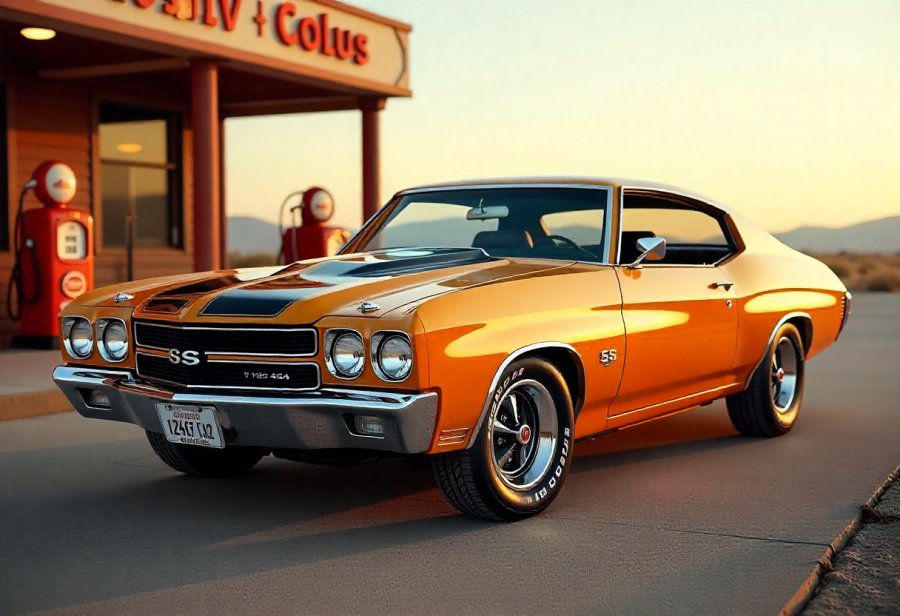
The 1970s Chevrolet SS stands as a true icon of the muscle car era, capturing a moment when American automotive design and engineering came together to create something unforgettable. These cars weren’t just about transportation; they were statements of power, attitude, and freedom. With their bold, aggressive lines and thunderous engines, models like the Chevelle SS 454 and Camaro SS defined a generation’s obsession with speed and style. They became symbols of rebellion, embodying a spirit that still resonates with car enthusiasts today.
During this decade, muscle cars exploded in popularity, transforming from practical vehicles into cultural landmarks. Driven by a desire for raw horsepower and eye-catching looks, American automakers pushed the limits of design and engineering. Large-displacement engines, roaring exhausts, and standout styling cues made these cars impossible to ignore on the streets, in movies, and in music. They weren’t just vehicles—they were a way to express independence and daring.
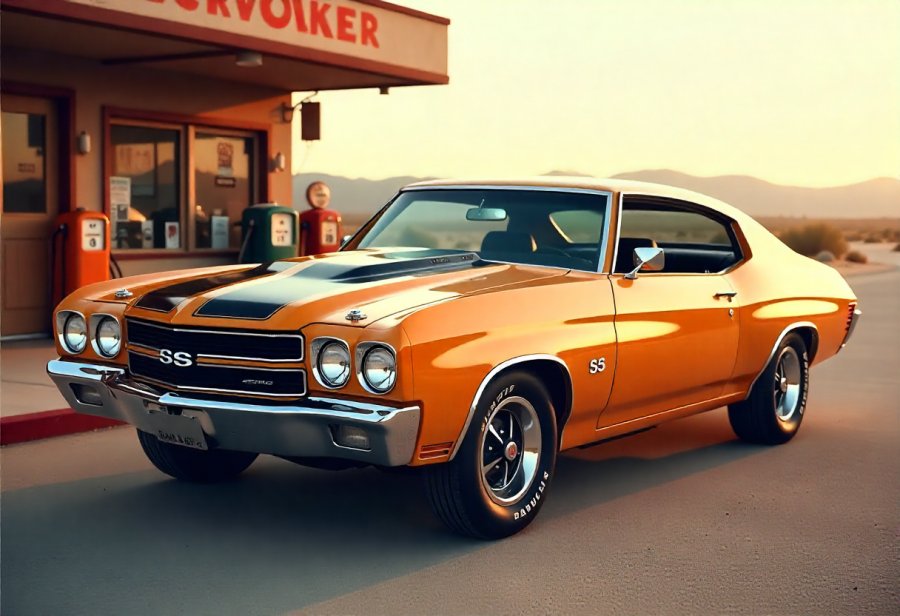
However, the muscle car boom faced challenges as the decade wore on. Rising fuel prices, tighter emissions standards, and safety regulations slowed the rapid growth. Despite these hurdles, the Chevrolet SS maintained its reputation as a performance icon. Its wide stance, racing stripes, and chrome accents signaled that this was a car built to command attention and respect, a true testament to the era’s bold spirit.
Beneath the striking exterior, these cars packed serious power. The Chevelle SS 454, in particular, boasted massive V8 engines capable of producing over 450 horsepower. The deep, guttural roar of their engines became their signature, a visceral reminder of America’s horsepower obsession. More than just fast cars, these Chevys were rolling pieces of American muscle history—embodying a culture that celebrated speed, strength, and rebellion.
Beyond their performance, the Chevrolet SS models of the 1970s played a major role in shaping American car culture. They appeared in films, music, and media as symbols of freedom and rebellion. For many owners, owning one meant more than just speed—it was a way to make a statement of individuality and daring. Every detail, from the gleaming chrome to the bold paint colors, reinforced their status as icons of an unforgettable era.
Today, these vintage Chevys continue to captivate collectors and enthusiasts worldwide. Restorers work meticulously to preserve their authentic look and feel, blending traditional craftsmanship with modern technology. Car shows and rallies celebrate their timeless appeal, keeping the spirit of the muscle car era alive and roaring. The legacy of the 1970s Chevrolet SS endures, inspiring new generations to appreciate the raw power and style that made these cars legendary.
Engineering and Design Milestones That Shaped the Classic Chevrolet SS
The development of the 1970s Chevrolet SS was driven by a clear goal: combine bold, aggressive styling with serious performance. Engineers focused on creating muscle cars that looked powerful and delivered on that promise, emphasizing large-displacement V8 engines like the legendary 454 cubic inch (7.4L) that became a hallmark of the era. These engines weren’t just big; they packed a punch, producing over 450 horsepower in some models and setting new standards for American muscle. To maximize this power, engineers refined aerodynamics, chassis stiffness, and suspension systems, ensuring these cars weren’t just intimidating in appearance but also exhilarating to drive.
Design during this period aimed to make a statement. The muscular lines, wide stance, and aggressive front grilles reflected a culture obsessed with speed and dominance. Visual cues like racing stripes, chrome accents, and vibrant paint schemes weren’t just for aesthetics—they communicated high performance and attitude even before the engine roared. The Chevelle SS 454, with its massive engine and striking look, embodied this philosophy, turning heads on both the street and the race track. Every detail was about creating a sensory experience—merging eye-catching design with raw, visceral power.
Milestones in engineering during this era included innovations that enhanced engine reliability and performance. Advances in materials and manufacturing techniques allowed for more robust components capable of withstanding high stresses. Features like cowl-induction hoods improved airflow into the engine, boosting power even further. Heavy-duty suspensions and upgraded brakes were integrated to help drivers harness all that horsepower safely. These innovations reflected an industry-wide push to produce high-performance vehicles that balanced power with safety and dependability, even as regulations and economic pressures tightened.
Throughout this development, the cultural environment played a significant role. The late 1960s and early 1970s were times of bold experimentation and self-expression, which influenced automotive design. Muscle cars became symbols of rebellion and youthful energy. This inspired engineers and designers to push boundaries, resulting in cars that not only performed but also made a statement. The deep, thunderous sounds of these vehicles became integral to their identity, connecting drivers with a visceral sense of freedom and power. Every element—engine size, visual styling, and sound—was crafted to evoke emotion and excitement.
Creating these machines involved balancing competing demands. Automakers had to meet rising expectations for speed and style while navigating new regulations and economic challenges. The oil crisis and stricter emissions standards in the early ’70s forced manufacturers to innovate within tighter constraints. Despite these hurdles, Chevrolet maintained its reputation for high-performance muscle cars. The result was a series of vehicles that captured the essence of American horsepower—bold, fast, and rebellious—laying the groundwork for their legendary status today.
In this context, the 1970s Chevrolet SS stands as a testament to innovation and daring. It reflects a time when American automakers pushed the limits of design and engineering, creating cars that weren’t just transportation but symbols of attitude and power. These models, with their aggressive styling and thunderous engines, continue to embody the spirit of the muscle car era. Their development story is a chapter of bold ideas, relentless pursuit of performance, and an enduring legacy that still roars to life on the roads and in the hearts of enthusiasts.
Preserving the Legend: How Modern Enthusiasts Celebrate and Restore the Chevrolet SS Today
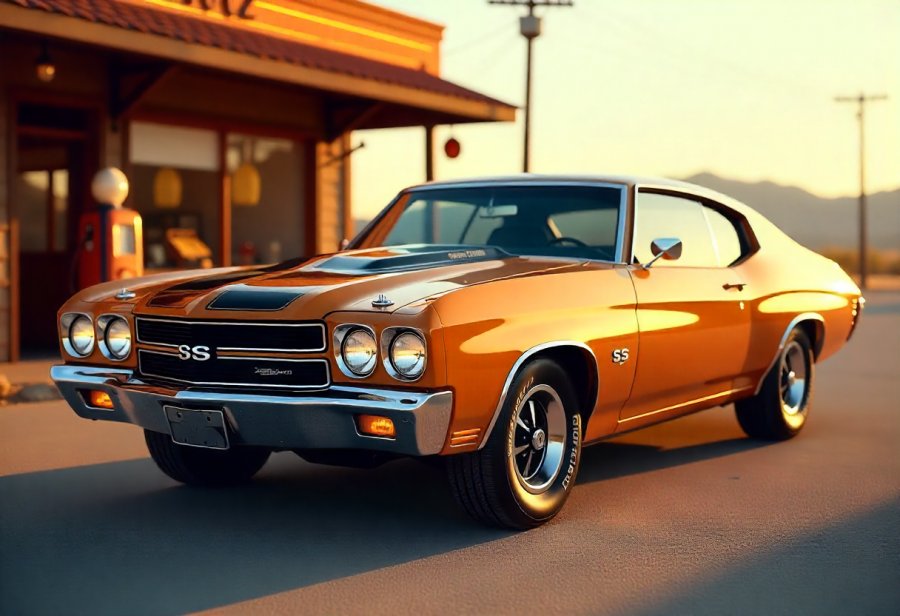
Today, the 1970s Chevrolet SS models hold a special place in the hearts of car enthusiasts, collectors, and restorers worldwide. Many dedicate themselves to preserving these muscle cars through detailed restorations that honor their original design while incorporating modern techniques for durability and safety. Whether striving for complete authenticity or tasteful upgrades, restorers aim to keep the spirit of these classics alive, ensuring they remain on the road and in the public eye.
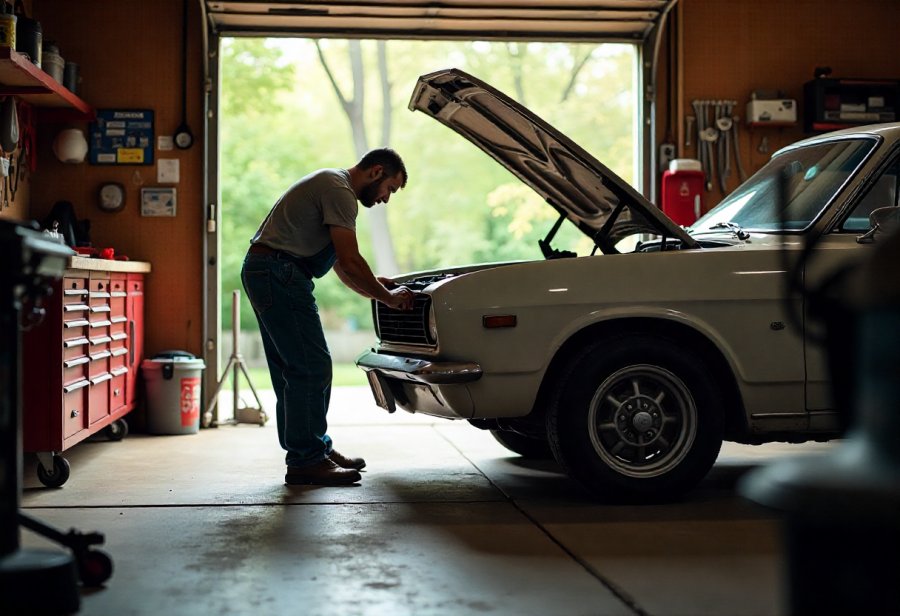
Restoring a Chevrolet SS today combines traditional craftsmanship with cutting-edge technology. Enthusiasts often start with a thorough assessment of the vehicle’s condition, sourcing original parts or high-quality reproductions. Digital tools like 3D scanning and CAD modeling streamline the recreation of rare components, helping restorers match the original specifications precisely. Modern paint techniques replicate vintage finishes with enhanced longevity, while interior upgrades blend period-correct materials with modern adhesives and fabrics, making these cars both authentic and roadworthy.
Across regions, appreciation for these vintage Chevys varies, shaped by local culture and automotive history. In the U.S., especially in hotspots like California and Michigan, enthusiasts prioritize factory-original looks and participate in car shows, cruises, and vintage races. Restorations often emphasize maintaining original parts, with some owners adding subtle safety upgrades. Overseas, regions like Australia and Europe view these cars as rare treasures, often showcasing them at specialized events and valuing their uniqueness as American icons imported across borders.
The ongoing debate between originality and modification remains lively among collectors. Purists argue that preserving factory specifications sustains both value and historic integrity, though sourcing authentic parts can be costly. Others favor tasteful upgrades—like modern suspensions or brakes—that enhance safety and driving comfort without compromising vintage aesthetics. This balance reflects a broader trend: honoring the cars’ heritage while adapting them to modern standards, ensuring they remain functional and relevant.
Environmental and safety regulations also influence how these classics are maintained and driven today. Many regions impose emissions and safety standards that challenge the authenticity of high-performance vintage cars. Some owners opt for seamless modern solutions, such as catalytic converters or upgraded braking systems, which meet regulations but can alter the original look. Navigating these rules requires creativity and compromise, highlighting the ongoing effort to preserve authenticity amid evolving standards.
The community surrounding these cars continues to grow, driven by shared passion and collective pride. Car shows, rallies, and vintage racing events serve as gathering spots where owners exchange stories, showcase restorations, and celebrate their muscle cars. Whether emphasizing authenticity or tasteful modifications, these gatherings foster a vibrant culture that keeps the legacy of the 1970s Chevrolet SS alive and roaring.
Looking forward, technological advances promise to make preservation and appreciation even more accessible. Digital scanning, 3D printing, and environmentally friendly coatings enable precise recreations and durable restorations. Younger enthusiasts are increasingly involved, bringing fresh energy to the scene and ensuring the cars’ rebellious spirit endures. Their efforts help bridge the gap between past and present, keeping the muscle car culture vibrant and relevant for generations to come.
From Past to Present: The Enduring Influence and Practical Impact of the Chevrolet SS Legacy
The legacy of the 1970s Chevrolet SS extends far beyond its status as a vintage icon; it continues to influence modern automotive design and culture in meaningful ways. Many contemporary muscle cars draw inspiration from the bold styling cues of these classic models, such as wide stances, aggressive lines, and distinctive racing stripes. These elements help keep the spirit of the muscle car era alive, blending nostalgic appeal with today’s technological advancements to create vehicles that honor the past while pushing performance forward.
Restoration practices today showcase a fusion of tradition and innovation. Enthusiasts and professionals alike leverage digital tools like 3D scanning and CAD modeling to recreate missing or worn parts with exceptional precision. Advanced paint technologies enable recreations of vintage finishes that are both authentic and durable, ensuring restorations stand the test of time. This approach not only preserves the historical integrity of these cars but also makes them more reliable and roadworthy, allowing owners to enjoy their muscle cars without sacrificing authenticity.
The community of Chevrolet SS owners and enthusiasts continues to grow, fueled by a shared passion for preservation and performance. Car shows, rallies, and vintage racing events serve as gathering points where stories are exchanged, restorations are showcased, and the legacy is celebrated. Whether purists prioritize maintaining original parts or enthusiasts explore tasteful modifications, these gatherings foster a vibrant culture dedicated to keeping these icons relevant and alive.
The influence of the Chevrolet SS also extends into the realm of environmental and safety regulations. Many regions now require emissions controls and safety upgrades that can challenge the authenticity of these vintage cars. Owners often find creative solutions, such as installing modern catalytic converters or upgraded braking systems, that meet standards while respecting the car’s character. This balancing act pushes industry innovation, encouraging the development of seamless integrations that preserve the aesthetic and performance heritage of these machines.
These efforts are complemented by technological advances that make preservation easier and more accessible. Digital tools enable precise recreations of original parts, while environmentally friendly coatings extend the lifespan of restored vehicles. Younger generations, drawn by nostalgia or curiosity, are increasingly involved in the scene, bringing fresh energy and ideas. Their engagement ensures that the rebellious spirit and raw power of the muscle car era continue to resonate, inspiring new projects and fostering a dynamic community.
The influence of the 1970s Chevrolet SS also shapes modern automotive design, inspiring a new wave of high-performance models that echo the boldness of these classics. Automakers incorporate design cues like wide tracks and muscular contours to evoke that same sense of power and attitude. This trend confirms that the legacy of these cars is not just about nostalgia but about ongoing innovation rooted in a proud history of American horsepower.
In the bigger picture, the Chevrolet SS’s enduring impact helps bridge the gap between past and future. It reminds us that history isn’t static but a living source of inspiration. As the community continues to evolve, so does the appreciation for these icons—fueling a culture that values tradition, embraces innovation, and celebrates the unrelenting pursuit of performance. The spirit of the muscle car era remains alive, driven by a shared passion that keeps these legendary machines roaring into tomorrow.
Looking Ahead: The Future of Chevrolet SS Preservation, Innovation, and Cultural Impact
The legacy of the 1970s Chevrolet SS remains as vibrant and influential as ever, with interest in these iconic muscle cars continuing to grow around the world. Their bold designs and legendary performance encapsulate a defining chapter of American automotive history, and ongoing preservation efforts ensure that their spirit endures. Advances in restoration technology—such as digital scanning, high-quality reproductions, and environmentally friendly coatings—have made it easier than ever to maintain authenticity while keeping these cars roadworthy. This progress invites a new generation of enthusiasts to experience the raw power and rebellious style that made the muscle car era so unforgettable.
These cars do more than serve as vintage relics; they inspire modern automotive design. Contemporary muscle cars frequently borrow visual cues like wide stances, aggressive lines, and racing stripes from their 1970s predecessors, blending nostalgia with innovation. Restorers and manufacturers alike are combining traditional craftsmanship with cutting-edge technology, creating vehicles that pay homage to the past while pushing performance further. This seamless integration keeps the legacy relevant, fostering a bridge between decades that fuels creativity and progress in the automotive world.
The community of Chevrolet SS enthusiasts continues to thrive, driven by a shared passion for preservation, performance, and storytelling. Car shows, rallies, and vintage racing events serve as gathering points where owners exchange ideas, showcase their restorations, and celebrate their collective history. Whether purists focus on maintaining complete originality or others explore tasteful modifications, this vibrant culture ensures the cars remain alive in both spirit and presence. Their roaring engines and gleaming exteriors serve as powerful reminders of an era when American muscle reigned supreme.
As environmental and safety standards evolve, balancing authenticity with practicality remains a challenge. Many regions now require emissions controls and safety upgrades that can alter the original look or feel of these classics. Owners are increasingly turning to innovative solutions—like integrated modern safety features that preserve the vintage aesthetic—to meet regulations without sacrificing character. This ongoing effort underscores a broader trend: adapting these icons for today’s world while honoring their historic significance.
Looking ahead, the future of the Chevrolet SS’s legacy is bright. Technological advancements promise to make preservation more accessible and more precise, helping keep these legends on the road and in the spotlight. Younger enthusiasts, inspired by nostalgia or discovery, bring fresh energy and ideas that continue to push the culture forward. Their dedication ensures that the bold, rebellious spirit of the muscle car era remains alive, inspiring new stories, new restorations, and new generations to keep the roar of the 1970s Chevrolet SS echoing into the future.