What if the true measure of a leader’s strength lies not in outward achievements but in inner discipline? This compelling exploration reveals how timeless virtues such as self-control, humility, and moral clarity underpin enduring leadership. Drawing on the life of Marcus Aurelius, a ruler who mastered himself amidst turmoil, it shows how inner resilience—cultivated through daily reflection and Stoic practices—was the foundation of his calm authority. In an era of rapid change and complex ethical dilemmas, developing internal mastery becomes even more vital. Could the future’s most effective leaders be those who prioritize inner strength over external displays of power? This insight challenges contemporary leadership paradigms, emphasizing that true influence springs from within. As we navigate an uncertain world, understanding and harnessing inner discipline isn’t just philosophical—it’s a strategic necessity for sustainable impact and legacy.
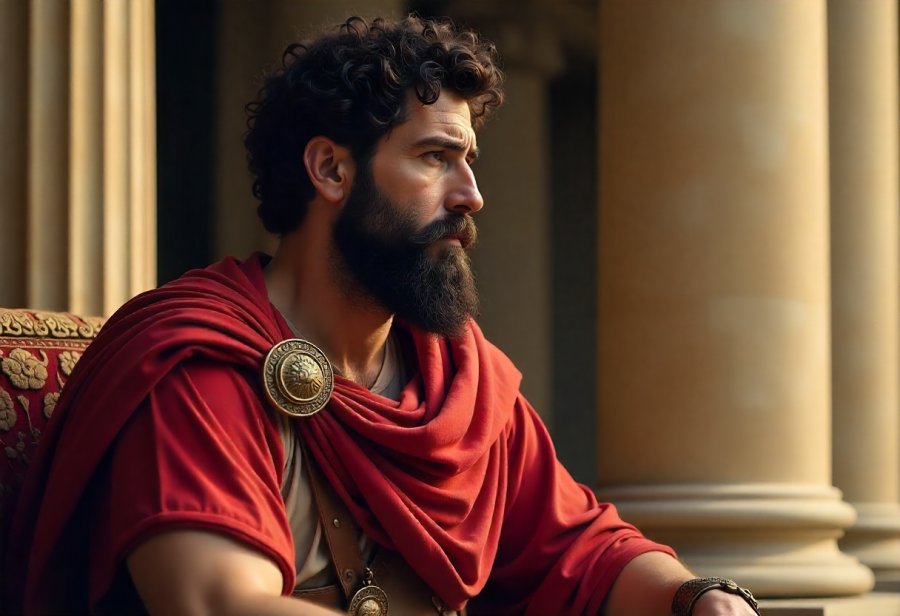
Inner Discipline: The Silent Power Behind True Leadership
When we think about true strength in leadership, it’s easy to focus on visible achievements—victories won, empires built, or fame gained. But beneath these outward signs of power lies a quieter, often overlooked force: inner discipline. This internal mastery—resisting temptation, maintaining clarity in chaos, and staying true to core principles—is what truly sustains lasting influence. It’s the kind of strength that doesn’t shout or seek applause but quietly anchors a leader through turbulent times.
Inner discipline isn’t reserved for monks or philosophers; it’s a universal trait that shapes genuine leaders across history. Think of Marcus Aurelius, whose life exemplified this quiet resilience. His ability to govern effectively wasn’t solely based on external authority but rooted in his capacity to govern himself first. This inward strength acts as a moral compass, guiding decisions and actions especially when external circumstances threaten to sway or overwhelm. It’s a steady anchor that maintains focus on what truly matters, regardless of chaos or challenge.
What makes inner discipline so powerful is its invisibility—rarely seen or recognized by others. Unlike tangible victories, it’s cultivated gradually through self-awareness, restraint, and mental toughness. These qualities enable leaders to respond thoughtfully rather than react impulsively, making decisions rooted in reason and virtue. When external pressures mount, this internal resilience makes all the difference between a leader who is swept away and one who remains calm, morally grounded, and clear-headed.
In the case of Marcus Aurelius, this inner strength was more than philosophy; it was a daily practice. His writings in *Meditations* reveal a leader committed to self-reflection, humility, and moral integrity. Even amid wars, plagues, and political unrest, he focused on aligning his thoughts and actions with Stoic virtues. His internal discipline didn’t just help him endure— it empowered him to lead with compassion, integrity, and calm, inspiring those around him and setting a standard for true leadership rooted within.
Marcus Aurelius: Philosopher-King in a Turbulent Empire
Marcus Aurelius stands out in history as a rare figure—both an absolute ruler and a dedicated philosopher. Ascending the throne in 161 AD, he inherited an empire sprawling across Europe, Asia, and Africa, and faced daunting challenges from the start. External threats like Germanic tribes and internal struggles such as political intrigue and plagues tested his leadership daily. Yet, amid these pressures, Marcus turned inward, drawing strength from Stoic philosophy to guide his decisions and sustain his resolve.
Born into a prominent Roman family in 121 AD, Marcus was educated in rhetoric, law, and philosophy. Early on, he was introduced to Stoic principles emphasizing self-control, moral integrity, and acceptance of fate. Recognized for his discipline and intelligence, he was groomed for leadership from a young age. When he succeeded Antoninus Pius, his reputation for virtue and wisdom set him apart from many of his contemporaries, who equated strength with conquest or wealth.
Throughout his reign, Marcus practiced Stoic virtues in his daily life. His *Meditations* reveal a leader committed to self-awareness, humility, and moral clarity—a man who reflected regularly on his thoughts and actions. These writings weren’t just personal musings; they served as a guide for governing with virtue amid chaos. His internal discipline was a practical tool, enabling him to face external turmoil with calm and clarity, even during wars and plagues.
The external challenges Marcus faced were formidable. Military setbacks along the frontiers and a devastating plague threatened the stability of the empire. Yet, his resilience shone through. He responded with patience and resolve, often tending to the sick himself and maintaining a steady hand in governance. His ability to govern his emotions and uphold moral purpose helped stabilize the empire during its darkest moments, rooted in his inner mastery.
His *Meditations* offer insight into how philosophical reflection became central to his leadership. Written during moments of solitude and hardship, these notes underscore his ongoing effort to align actions with Stoic virtues. This continuous practice of self-awareness and moral focus cultivated mental toughness, supporting him through ongoing crises. Marcus’s life exemplifies how inner discipline, built through daily reflection, can sustain a leader through life’s inevitable storms.
More than a ruler, Marcus Aurelius was a philosopher-king whose inner strength defined his legacy. His calm, moral clarity inspired loyalty and respect, demonstrating that true power begins within. His mastery over himself allowed him to govern with integrity and compassion, setting a standard centuries later for what it truly means to lead with wisdom and resilience.
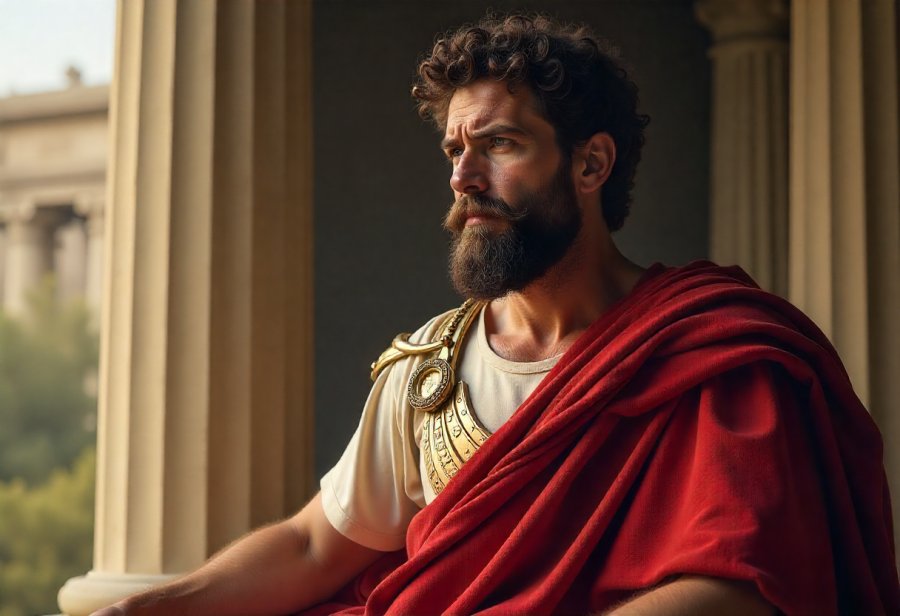
Inner Resilience as the Cornerstone of Effective Leadership
Marcus Aurelius’s inner discipline was the backbone of his effectiveness as a leader. His ability to remain calm and focused amid chaos allowed him to approach complex issues with a measured, thoughtful perspective. Rather than reacting impulsively to setbacks or crises, he practiced self-control, which enabled him to make decisions rooted in reason and virtue. This steadiness in turbulent times fostered trust among his followers, who saw in him a leader guided by wisdom rather than emotion or ego.
His resilience wasn’t just a personal trait; it translated directly into his governance. Whether facing military defeats or political unrest, Marcus maintained a perspective that setbacks and suffering were inevitable parts of life. His Stoic outlook helped him respond with patience and resolve, preventing panic or despair from clouding his judgment. This inner strength created a stabilizing force that kept the empire steady during its most difficult moments.
Marcus’s *Meditations* reveal how he used philosophical reflection as a practical tool to reinforce his inner resilience. Writing during moments of solitude, he constantly reminded himself to act with virtue, humility, and moral clarity. These internal dialogues kept him grounded, especially when external circumstances seemed overwhelming. The daily practice of self-awareness and moral focus cultivated a mental toughness that supported his leadership throughout ongoing crises.
This inner resilience also shaped his interactions with others. His calm demeanor and unwavering moral compass inspired confidence among advisors and soldiers alike. They saw a leader who remained composed under pressure, fostering loyalty and respect. His steadiness became a model for those around him, demonstrating that true influence depends as much on character as on external authority.
Moreover, Marcus’s mastery over his own mind set a moral example that elevated the entire leadership culture. During times of hardship, he exemplified patience, humility, and perseverance—traits that encouraged others to act with integrity. His inner discipline became a force multiplier, amplifying his influence and inspiring collective resilience within the empire.
Marcus Aurelius’s life stands as a testament to the idea that genuine power begins within. His ability to govern himself with calm and moral clarity provided the foundation for effective leadership. This internal strength didn’t just see him through crises; it defined his legacy as a ruler who led from within, proving that true resilience and wisdom are the ultimate sources of enduring influence.
Applying Inner Discipline: Practical Strategies for Modern Leaders
In today’s fast-paced and ever-changing world, developing inner discipline is more than a personal growth goal—it’s a strategic advantage for effective leadership. Leaders who cultivate habits like mindful reflection, emotional regulation, and self-awareness are better equipped to stay grounded when chaos erupts. Simple routines such as daily journaling, brief meditation, or intentional pauses before making decisions reinforce focus and resilience, creating a calm and steady presence that others naturally follow.
Managing emotions under pressure is crucial. Techniques like conscious breathing, pausing to gather thoughts, or stepping back from reactive impulses help leaders respond thoughtfully rather than impulsively. This mental discipline prevents small setbacks from escalating and fosters a culture rooted in patience and reason. Over time, these habits strengthen a leader’s capacity to maintain composure, inspire trust, and make decisions grounded in wisdom rather than fear or ego.
Consistency in practicing self-awareness is key. By regularly reflecting on their actions and motivations, leaders can identify patterns that threaten their clarity or moral compass. This ongoing self-assessment cultivates mental toughness, enabling them to face setbacks with resilience instead of despair. It also encourages alignment with core values, ensuring that decisions are authentic and morally sound, even in challenging circumstances.
Inner discipline also influences organizational culture. Leaders who demonstrate calmness, humility, and moral clarity in stressful moments set a powerful example. Their steadiness fosters an environment of trust and stability, where teams feel safe to innovate and take risks without fear of reckless reactions. This creates a ripple effect, encouraging others to develop their own inner resilience and commitment to virtue, strengthening the entire organization.
Incorporating philosophical practices like Stoic reflection or mindfulness into daily routines deepens inner discipline. Regularly reminding oneself of what is within control and accepting what is not helps reduce anxiety and sharpening focus. Leaders who embed these perspectives into their everyday lives develop a resilient mindset that supports sound judgment and moral integrity, even amid turbulence. This internal strength becomes a foundation for authentic influence and sustainable success.
Building inner discipline isn’t a one-time effort but an ongoing journey. It demands patience, humility, and a genuine commitment to self-improvement. Leaders who embrace this process understand that mastery over oneself is the true source of influence. By continuously refining habits, managing emotions, and aligning actions with values, they create a resilient internal foundation. This inner strength not only guides better decision-making but also inspires others to follow a path of wisdom, integrity, and enduring leadership.
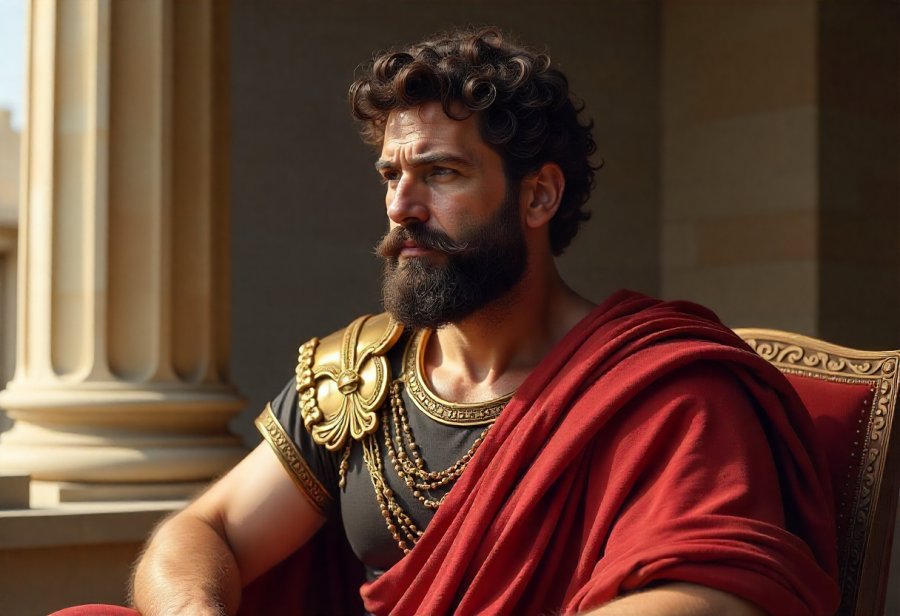
Future of Leadership: Inner Strength as the Key to Enduring Influence
As we look toward the future, the role of inner strength in leadership is set to become more vital than ever. In a world driven by rapid technological change, complex ethical questions, and interconnected global challenges, external displays of power will often fall short. Leaders who cultivate inner discipline—resilience, moral clarity, and self-awareness—will be better equipped to navigate uncertainty with integrity. Their ability to stay centered amid chaos will distinguish effective leaders from those easily overwhelmed, making inner strength a fundamental component of sustained influence.
Organizational models are shifting away from traditional hierarchies toward more authentic, values-based leadership. These new frameworks emphasize emotional intelligence, self-awareness, and virtues rooted in inner discipline. Leaders who develop these qualities can foster trust, inspire loyalty, and make decisions grounded in wisdom, even under pressure. As this shift continues, cultivating inner discipline is increasingly recognized as a core leadership skill, essential for building resilient teams and sustainable organizations.
The growing focus on mental health and emotional well-being further underscores the importance of inner strength. Leaders practicing mindfulness, reflection, and emotional regulation serve as role models, shaping healthier, more stable work environments. When stress levels escalate and pace accelerates, inner discipline helps prevent burnout and maintains clarity. This internal resilience not only benefits individual leaders but also creates resilient teams capable of facing adversity without sacrificing purpose or integrity.
Ancient philosophies like Stoicism are experiencing a renaissance, offering practical tools for modern leaders seeking inner mastery. Their principles of self-control, acceptance, and moral virtue provide clarity in a landscape often muddled by ethical dilemmas and rapid change. Leaders who embrace these timeless ideas will be better positioned to act consistently, ethically, and with moral clarity, reinforcing that true strength begins within and endures through inner discipline.
Looking ahead, the leaders who prioritize inner strength will shape the future of leadership. External circumstances may continue to grow unpredictable, but those who focus on self-mastery and resilience will leave lasting legacies. Inner discipline is no longer just a personal virtue but a strategic asset—central to guiding organizations and societies through turbulent times with authenticity, insight, and moral clarity. This evolving understanding highlights that genuine power is rooted in the mastery of oneself, shaping leadership for generations to come.