Imagine transforming your network with tailored telephony solutions that not only streamline communication but also boost efficiency—can your organization keep pace with such innovation? Grandstream’s cutting-edge IP phones, especially the GRP series, exemplify this shift, offering enterprise-grade features, high-definition audio, and seamless cloud management. These devices support advanced network optimization like QoS and encryption, ensuring secure, reliable calls even during peak usage. The flexibility to customize call routing, auto-attendants, and user permissions means your communication infrastructure can adapt effortlessly as your business grows. Plus, centralized cloud management simplifies deployment across multiple locations, minimizing downtime and administrative burden. But is your current system holding you back from achieving real operational agility? Embracing these scalable, future-proof solutions could turn your voice channels into strategic assets—raising questions about how well your network is prepared for the digital transformation ahead.
Transform Your Business Communication with Customizable Telephony Solutions
In today’s fast-moving business world, clear and reliable communication isn’t just a convenience—it’s a critical necessity. Companies depend on effective ways to stay connected with clients, partners, and teams, especially as remote work and distributed offices become the norm. This shift has driven demand for flexible, scalable telephony solutions that can adapt to unique workflows and growth plans. That’s where customized telephony systems come in, offering tailored features that go beyond traditional phone setups to meet specific organizational needs.
Unlike standard, one-size-fits-all systems, these solutions are designed with the particular demands of a business in mind. They enable organizations to fine-tune call routing, auto-attendants, and user permissions, creating a communication environment aligned with operational priorities. Whether managing high call volumes, integrating with customer relationship management (CRM) tools, or supporting remote access, personalized systems make daily interactions smoother, more efficient, and more responsive. They give businesses the control to shape their communication channels around their unique workflows, reducing errors and saving time.
The real strength of customizable telephony lies in its flexibility. Modern solutions leverage internet protocol (IP) technology, transforming voice calls into digital data that travels over the same networks used for internet traffic. This shift to VoIP not only cuts costs but unlocks a host of integration opportunities. Businesses can effortlessly add new users, modify configurations, or expand their systems without costly hardware upgrades or complex rewiring. This scalability ensures that a company’s communication infrastructure can grow alongside its ambitions, rather than holding it back.
Device innovation further enhances the benefits of these systems. IP phones with high-definition audio, programmable keys, and seamless integration with cloud management platforms support tailored configurations for different roles—support agents, sales teams, executives. This personalization streamlines workflows, boosts productivity, and minimizes manual tasks. Users spend less time navigating menus or transferring calls and more time engaging with customers or completing their work. These devices turn communication into a strategic advantage, not just a routine activity.
Managing these systems has become easier thanks to cloud-based platforms. IT teams can remotely provision, update, and troubleshoot multiple endpoints from a centralized dashboard, speeding deployment and simplifying maintenance. Whether onboarding new employees or rolling out new features, cloud management keeps everything running smoothly and securely. This approach reduces downtime, cuts administrative overhead, and enables rapid scaling across multiple locations or departments.
Choosing a customized telephony system isn’t just about immediate convenience—it’s a strategic move to future-proof your communication infrastructure. As your organization evolves, your system can adapt without the need for a complete overhaul. This flexibility ensures you stay connected, competitive, and prepared for digital transformation. Investing in a tailored, scalable solution lays the foundation for more responsive, efficient, and resilient operations—key ingredients for success in today’s dynamic business environment.

Building a Strong Foundation: The Essential Infrastructure of Telephony Systems
Telephony systems form the backbone of modern business communication, evolving from simple landlines into complex digital networks that rely heavily on internet technology. The shift to Voice over Internet Protocol (VoIP) has revolutionized how organizations handle voice communications, making them more flexible, scalable, and cost-effective. Instead of traditional copper wires, VoIP converts spoken words into digital data that travels seamlessly over the internet, allowing voice calls to integrate smoothly with other digital tools like email, CRM platforms, and collaboration apps.
At the core of these systems are IP phones, which serve as the primary endpoints for voice interactions. These devices connect directly to the network, replacing traditional phones with internet-enabled models capable of high-definition audio and advanced features. Coupled with a well-designed network infrastructure—comprising switches, routers, and Quality of Service (QoS) protocols—IP phones ensure that voice data is transmitted reliably and with minimal delay. Proper network design is critical; prioritizing voice traffic prevents issues like jitter or dropped calls during peak usage times, maintaining high call quality.
The evolution of telephony hardware reflects ongoing technological advances. From rotary dial phones to push-button analog devices, each step aimed to improve clarity, usability, and reliability. Digital and IP-based phones marked a significant leap, transforming hardware into smart, internet-connected tools. Today’s IP phones support multiple lines, programmable keys, and seamless integration with digital workflows such as CRM systems. These enhancements allow organizations to replace outdated hardware with scalable, feature-rich solutions that adapt as their needs grow.
Organizations face strategic choices when deploying telephony systems. On-premises setups involve installing physical hardware locally, offering full control but often requiring substantial maintenance and upfront investment. Cloud-based solutions, managed remotely by service providers, simplify deployment and reduce initial costs. Hybrid models combine both approaches, maintaining some hardware on-site while leveraging cloud services for flexibility. The decision depends on factors like scalability, security, and long-term operational costs, but each option aims to balance control and convenience.
Building a resilient telephony infrastructure requires adherence to industry standards and best practices. Implementing QoS protocols ensures voice traffic receives priority over other data streams, which helps maintain call quality during busy periods. Selecting hardware and software that support standards like SIP (Session Initiation Protocol) guarantees interoperability and future compatibility. Regular firmware updates and security patches are vital to safeguard against vulnerabilities, while designing networks with sufficient bandwidth, redundancy, and proper segmentation minimizes downtime and enhances reliability.
Understanding the network’s role in telephony is essential for delivering dependable, high-quality communication. A well-structured network prioritizes voice data, manages bandwidth effectively, and incorporates redundancy to handle failures. These measures prevent common issues like latency or dropped calls, even during high traffic periods. By establishing a solid infrastructure, organizations can support advanced features, facilitate easy scaling, and ensure consistent service levels—key factors in maintaining effective communication as the business grows.
The development of telephony infrastructure continues to be driven by innovation. From the early days of analog phones to today’s digital IP models, each advancement has aimed to improve call clarity, usability, and security. Modern IP phones support features like multiple lines, programmable keys, and integration with cloud management platforms, enabling a versatile, future-proof communication environment. This evolution allows organizations to replace outdated systems with solutions that are not only more capable but also easier to manage and expand, ensuring their telephony infrastructure keeps pace with technological progress.
Embracing Innovation: Discover the Latest Trends Shaping Modern Telephony
The landscape of telephony is changing at a rapid pace, driven by innovative technologies that make business communication more flexible, efficient, and adaptable. Cloud-based management platforms have become a game-changer, enabling organizations to deploy, monitor, and modify their systems remotely. This shift not only streamlines setup and reduces costs but also offers the agility needed to scale quickly, add new users, and update features with minimal disruption. As businesses seek to stay competitive, adopting these cloud solutions allows for faster responses to changing demands and seamless integration with other digital tools.
Devices like Grandstream’s IP phones exemplify this trend, supporting centralized control and large-scale deployment. With management dashboards accessible from anywhere, IT teams can configure and troubleshoot hundreds of endpoints effortlessly. This centralized approach ensures consistency across multiple locations, simplifies onboarding, and accelerates routine maintenance. As companies expand into new markets or increase their team size, these scalable solutions make growth more manageable, reducing errors and administrative overhead.
Emerging features are further transforming telephony systems into comprehensive communication ecosystems. AI-powered call analytics provide insights into call quality, customer interactions, and agent performance, enabling data-driven improvements. Meanwhile, enhanced security protocols, including encryption and regular firmware updates, protect conversations from cyber threats and ensure compliance with privacy standards. These advancements turn simple voice calls into strategic assets, supporting broader organizational goals and fostering better customer engagement.
Integration with collaboration platforms like Slack, Microsoft Teams, and major CRM systems is now commonplace. Users can manage calls, access contacts, and log interactions without switching applications, streamlining workflows and boosting productivity. This digital convergence eliminates silos, allowing teams to respond faster and collaborate more effectively. As a result, communication becomes more fluid, supporting a more dynamic and responsive business environment.
The adoption of these cutting-edge solutions varies depending on organizational size and specific needs. Small startups often prefer cloud-based IP phones for their affordability and ease of use. Larger enterprises seek robust management, security, and analytics capabilities to support complex operations. High-volume call centers prioritize scalable, carrier-grade systems that handle intensive traffic without sacrificing quality. Recognizing these differences helps organizations choose the right mix of features and deployment models to align with their strategic priorities.
Staying current with telephony trends is crucial for maintaining a competitive edge. Outdated systems can hinder growth, impair call quality, and inflate operational costs. Upgrading to modern, customizable solutions ensures better performance, security, and scalability. These advancements support digital transformation, remote work, and future expansion plans, making them essential for organizations seeking to adapt quickly and stay ahead.
Ignoring these evolving trends risks falling behind competitors who leverage smarter, more adaptable communication tools. A future-proof telephony infrastructure built on the latest technologies delivers clearer calls, richer data insights, and stronger security. Embracing innovation enables organizations to respond swiftly to market changes, improve customer experiences, and build resilient networks capable of supporting ongoing growth and digital integration.
In today’s fast-changing environment, staying informed about telephony innovations isn’t just an option—it’s a necessity. By adopting the latest trends, businesses can unlock new levels of efficiency, responsiveness, and security. Modern, customizable telephony solutions are not just about making calls; they’re about transforming how organizations communicate, collaborate, and compete in a digital world.

Grandstream Devices and Solutions: Powering Flexible, Secure, and Scalable Communication
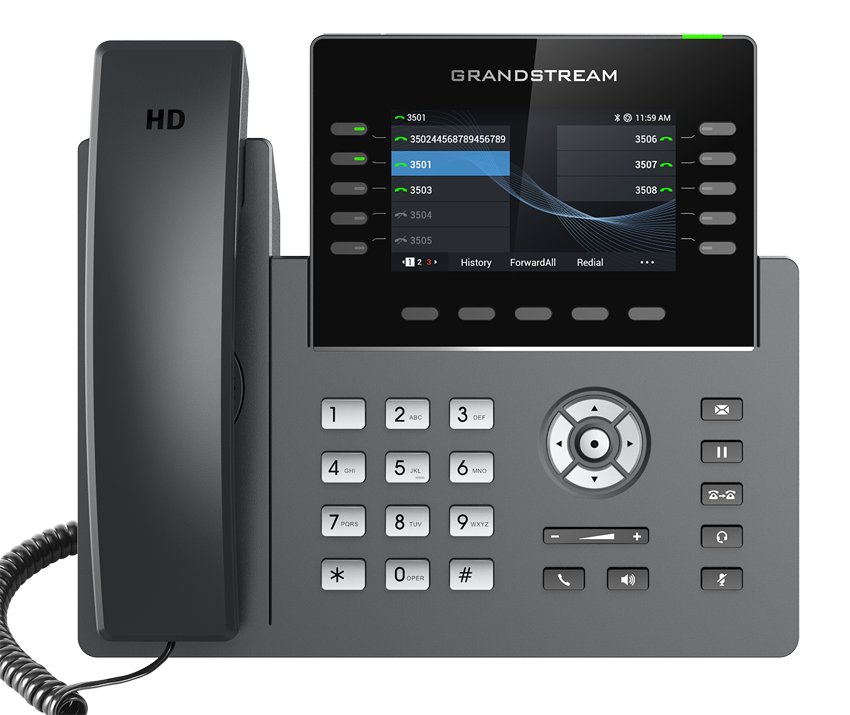
Grandstream’s range of devices is engineered to support highly customizable telephony solutions that can be tailored precisely to meet the unique needs of any organization. Their IP phones, especially the GRP series, combine enterprise-grade features like high-definition audio, extensive programmability, and seamless integration with cloud management platforms. This makes them ideal for large-scale deployment, allowing businesses to equip multiple locations with reliable, uniform hardware that simplifies daily operations.
One of the key strengths of Grandstream’s offerings lies in their ability to optimize network performance. These devices support advanced features such as Quality of Service (QoS), VLAN segmentation, and automatic bandwidth management. By prioritizing voice traffic over other data streams, they ensure call clarity and reliability even during peak network usage, minimizing disruptions like lag or dropped calls. Robust security protocols, including encryption and regular firmware updates, further protect conversations and sensitive information from cyber threats, creating a secure communication environment.
Customization is at the heart of what Grandstream provides. The devices support a wide array of programmable keys, personalized speed dials, and dedicated buttons that streamline daily workflows. Whether configuring auto-attendants, call routing rules, or CRM integrations directly on the phones, organizations can tailor their communication tools to fit specific operational needs. This personalization not only reduces manual tasks but also accelerates response times, enhancing overall productivity and user experience.
Cloud management plays a crucial role in maximizing the capabilities of Grandstream’s solutions. Through their intuitive cloud platform, IT teams can remotely configure, update, and troubleshoot hundreds or even thousands of devices from a single dashboard. This centralized control simplifies deployment, accelerates onboarding, and reduces maintenance efforts, especially across multiple sites. As organizations grow or shift strategies, cloud-based management ensures systems remain aligned with evolving business objectives without extensive on-site intervention.
Devices like the Grandstream IP phones are designed for rapid, scalable deployment across large teams or multiple locations. Centralized control platforms enable IT administrators to provision multiple units simultaneously, ensuring consistent configurations and security policies. This scalability cuts down deployment time, minimizes errors, and supports rapid expansion or adaptation as business needs change. The ease of mass deployment allows organizations to maintain a high level of operational agility and service quality.
Security and reliability are integral to Grandstream’s design philosophy. Built-in encryption, secure boot processes, and regular firmware updates safeguard against cyber threats while maintaining system integrity. These features help ensure that conversations remain private and compliant with industry standards. Combined with network features like VLAN segmentation and QoS, Grandstream’s solutions foster a resilient telephony environment capable of handling high traffic loads without sacrificing call quality or security.
Incorporating Grandstream’s devices into your communication infrastructure not only enhances flexibility and scalability but also lays a strong foundation for future growth. Their solutions support the broader goal of creating customizable telephony systems that align with operational needs. By leveraging these advanced devices, organizations can improve network efficiency, streamline deployment, and establish a secure, reliable platform for all voice communication activities—driving more responsive, productive, and future-ready operations.