Beyond Hollywood’s glamorous myth, Cleopatra VII emerges as a symbol of intellectual prowess, strategic mastery, and resilient leadership. Her legacy is often overshadowed by tales of romance, yet her true influence stemmed from her sharp mind, multilingual ability, and political acuity. As Egypt’s last pharaoh, she navigated a turbulent world, forging alliances through diplomacy rather than force, embodying wisdom, cultural diplomacy, and scholarly pursuits. Her patronage of learning and deep understanding of her diverse heritage empowered her to preserve Egypt’s independence amid external threats. This compelling portrayal challenges us to reconsider her legacy—highlighting that her greatest power was her intellect, resilience, and strategic vision. Could her enduring influence be rooted not in beauty or fame, but in her mastery of influence through knowledge and cunning? Cleopatra’s story offers timeless lessons for leadership rooted in wisdom, adaptability, and cultural awareness.
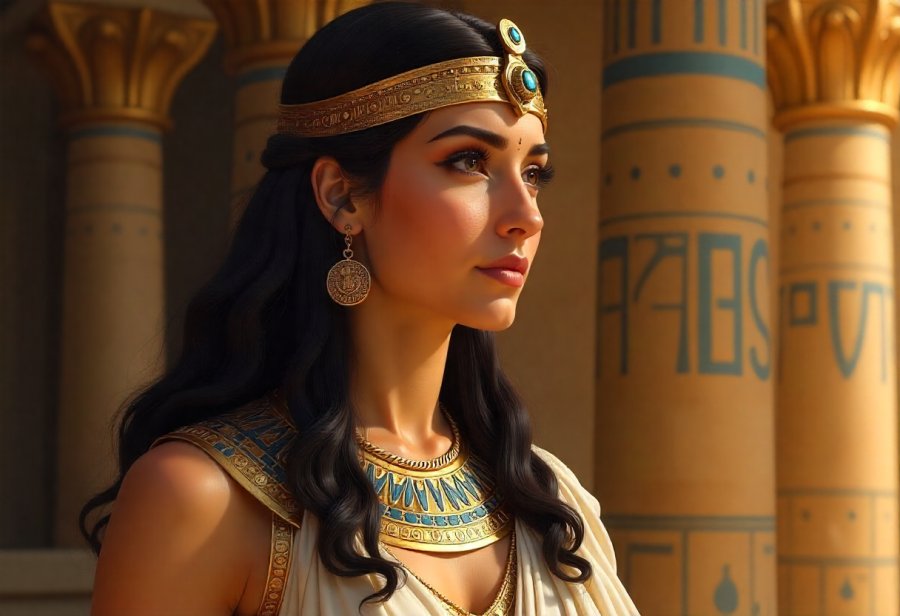
The Power of the Mind: Cleopatra’s Legacy as a Strategist and Diplomat
Cleopatra VII is often remembered for her beauty and the dramatic stories surrounding her romances with Julius Caesar and Mark Antony. However, these images tend to overshadow her true legacy—her sharp mind and political skill. She was a ruler whose strength lay in her intelligence, strategic thinking, and ability to navigate a turbulent world. As the last active pharaoh of Egypt, Cleopatra faced immense challenges from internal disputes to external threats, yet she managed to hold onto her throne for nearly two decades. Her leadership was defined by more than charm; it was driven by her keen understanding of diplomacy, governance, and cultural diplomacy.
Cleopatra’s reign coincided with Egypt’s decline and the rise of the Roman Empire. During this period, she skillfully balanced alliances with powerful Roman leaders while trying to preserve her kingdom’s independence. Her ability to adapt to shifting political landscapes was remarkable. She was multilingual, well-educated, and deeply involved in scholarly pursuits—traits that distinguished her from many rulers of her time. Her leadership was rooted in her capacity to think strategically, making decisions that prioritized her country’s stability and her dynasty’s survival.
Many overlook that Cleopatra was a scholar-queen with a genuine passion for learning. She was fluent in multiple languages, including Egyptian and Greek, which enabled her to communicate directly with diverse officials and intellectuals. Her interest in philosophy, astronomy, and mathematics reflected her belief that knowledge was a vital tool for effective leadership. Her patronage of the Library of Alexandria demonstrated her commitment to scholarship and the importance she placed on fostering intellectual growth. She recognized that a ruler’s strength extended beyond personal charm—it was also rooted in wisdom and education.
Her mastery of diplomacy and internal governance played a crucial role in her ability to sustain Egypt’s independence. Cleopatra often used marriage, alliances, and negotiations to secure her position rather than relying solely on military force. Her diplomatic finesse allowed her to read her rivals and allies alike, making her a formidable strategist. Her cultural diplomacy—engaging with scholars and foreign rulers—helped bolster Egypt’s influence in the Mediterranean region. This combination of political shrewdness and cultural awareness was key to her enduring leadership.
Despite the myths and sensational stories, Cleopatra’s true power was in her mind. She understood that leadership required more than personal charm; it demanded intelligence, resilience, and strategic vision. Her ability to manage internal affairs, forge alliances, and support scholarly pursuits reveals a ruler who was as much a thinker as she was a monarch. Her legacy is a testament to the strength of a leader who prioritized knowledge and diplomacy over superficial allure.
In a world filled with turbulence and shifting powers, Cleopatra exemplifies how true leadership can be rooted in intellect and strategic thinking. Her story reminds us that the most enduring influence comes from those who understand the value of wisdom, adaptability, and cultural diplomacy. Cleopatra’s leadership was not just about maintaining her throne—it was about shaping a legacy grounded in resilience and intelligence. Her greatest power was her mind, and that is what continues to inspire discussions about leadership today.
Roots of Greatness: Cleopatra’s Macedonian Heritage and Cultural Foundations
Cleopatra VII’s origins are rooted in a rich blend of Macedonian Greek heritage and Egypt’s vibrant cultural landscape. Born into the Ptolemaic dynasty, she descended from the generals who accompanied Alexander the Great and established Greek rule in Egypt after his empire fractured. This lineage meant she grew up immersed in a world where Hellenistic traditions intertwined with Egyptian customs, shaping her worldview and approach to leadership.
From an early age, Cleopatra received a rigorous education that covered politics, rhetoric, philosophy, and the sciences. She became fluent in multiple languages, including Greek and Egyptian, equipping her with a significant diplomatic advantage. Her studies weren’t purely academic; they were strategic, designed to help her communicate across cultures, understand diverse belief systems, and navigate the complexities of ruling a multicultural kingdom.
Growing up in Alexandria, a bustling hub of learning and cultural exchange, Cleopatra was surrounded by scholars, philosophers, and scientists. The city’s famed Library of Alexandria was more than a symbol—it was a center of innovation and knowledge that she actively supported throughout her reign. Her patronage of learning reflected her belief that wisdom and education were vital sources of strength for a ruler.
Her childhood also involved mastering the delicate art of cultural diplomacy. She understood that her Macedonian Greek roots and Egyptian identity could be both a source of influence and a challenge. By embracing Egyptian religious practices alongside Greek philosophical traditions, she forged a leadership style that resonated with a broad spectrum of her people. This ability to bridge worlds was central to her strategy, enabling her to connect with diverse groups within her kingdom and beyond.
Her diverse background laid the foundation for her later achievements. It provided her with linguistic skills, cultural insights, and scholarly interests that set her apart from many of her contemporaries. Cleopatra’s upbringing was more than personal history; it was the bedrock of her leadership philosophy—one that valued knowledge, diplomacy, and cultural awareness as essential tools for governance.
As she stepped into power, her heritage and education became powerful assets in maintaining Egypt’s independence amid external threats. Her early experiences shaped her into a leader who prioritized wisdom and strategic thinking alongside political savvy. Understanding her origins helps explain how she navigated the shifting sands of regional politics with such finesse, making her one of history’s most culturally savvy and formidable monarchs.
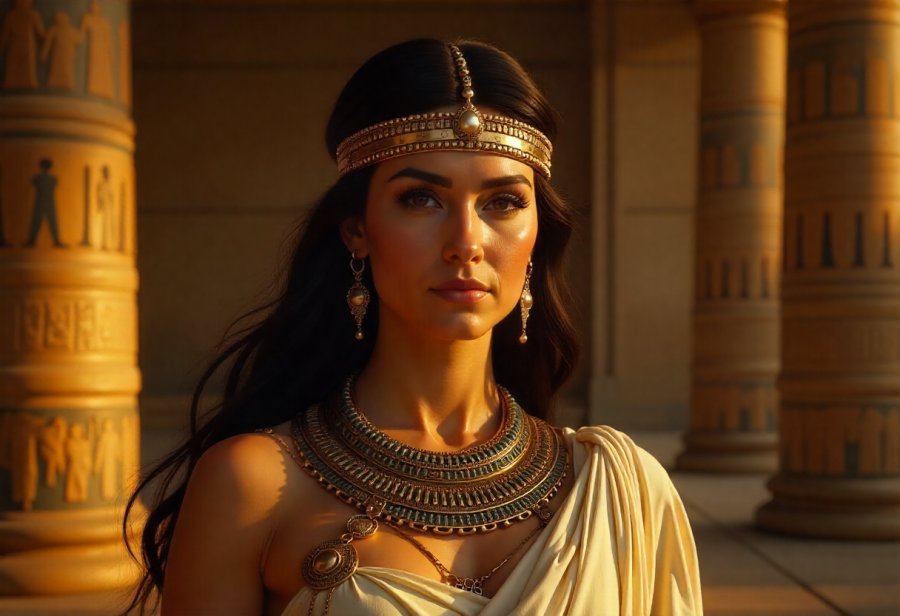
Mastering Influence: Cleopatra’s Strategic Leadership Beyond Romance
Cleopatra’s approach to power was rooted in her sharp strategic mind and deep mastery of diplomacy. Rather than relying solely on military might, she understood that influence often came through negotiation, cultural insight, and alliance-building. She skillfully used marriage, treaties, and political negotiations as tools to safeguard Egypt’s independence, demonstrating that leadership hinges on wit and foresight as much as authority. Her ability to read her rivals and allies alike allowed her to navigate the complex regional landscape with confidence, often staying a step ahead of her enemies.
Her influence extended beyond mere survival; Cleopatra aimed to shape Egypt’s future through calculated moves. She projected authority not just through her regal presence but through her mastery of governance and external diplomacy. Her reputation as a shrewd and capable leader grew out of her strategic decision-making, not just her personal charm. She knew that true power was rooted in her ability to influence others—using words, gestures, and carefully planned actions—rather than relying solely on personal allure.
The popular image of Cleopatra as a seductress has long overshadowed her real leadership style. While her relationships with Julius Caesar and Mark Antony are well-known, these alliances were part of broader political strategies, not mere personal pursuits. Modern scholarship increasingly recognizes her as a master diplomat who employed her intelligence, multilingual skills, and scholarly pursuits to maintain her throne and strengthen Egypt’s regional standing. Her influence was built on forging alliances, persuading others, and staying adaptable—traits that allowed her to govern effectively amid external threats and internal unrest.
Perceptions of her leadership have shifted from superficial glamour to a recognition of her political savvy. Films and stories once fixated on her beauty and love affairs, but recent research emphasizes her resilience, wit, and mastery of statecraft. Cleopatra understood that genuine influence depended on strategic thinking and cultural awareness. Her ability to balance internal stability with external diplomacy—while remaining true to her cultural identity—helped her prolong Egypt’s independence longer than many expected. Her leadership was a complex dance of influence, resilience, and intelligence.
Today, Cleopatra is rightly celebrated not just as a historical icon of beauty, but as a pioneering female leader whose real strength lay in her mind. Her legacy underscores that lasting power comes from strategic insight, cultural understanding, and resilience—traits that remain vital for leaders today. Her example reminds us that influence built on substance, not superficial charm, endures through the ages. Cleopatra’s true legacy is a testament to the power of a sharp mind and strategic vision, qualities that continue to inspire leadership rooted in intelligence and adaptability.
Lessons from a Queen: Applying Cleopatra’s Principles to Modern Leadership
Cleopatra’s leadership principles hold valuable lessons for today’s political and organizational landscapes. Her emphasis on continuous learning and adaptability highlights the importance of staying informed and flexible in a rapidly changing world. She understood that knowledge is a powerful tool—not just for scholars, but for making smart decisions, forging alliances, and maintaining stability. Modern leaders can draw inspiration from her example by cultivating curiosity, openness to new ideas, and a willingness to pivot when circumstances shift unexpectedly.
Her mastery of diplomacy underscores the significance of cultural understanding and negotiation. Cleopatra recognized that influence often hinges on building relationships rooted in mutual respect and shared interests, rather than force or charm alone. Whether through strategic marriages, treaties, or diplomatic visits, she demonstrated that dialogue and empathy foster stronger, more resilient alliances. Today’s leaders benefit from this approach by prioritizing communication, seeking common ground, and navigating conflicts with finesse rather than confrontation.
Resilience was central to Cleopatra’s leadership. Despite facing internal unrest and external threats, she responded with patience, creative problem-solving, and a calm focus on long-term goals. Her ability to adapt under pressure shows that mental toughness and strategic patience can turn setbacks into opportunities. Leaders today who develop resilience and maintain a clear vision are better equipped to guide their organizations through crises, turning challenges into springboards for growth.
Supporting scholarship and fostering a culture of learning also played a key role in her leadership. Cleopatra understood that investing in knowledge and innovation creates a resilient foundation for any empire or organization. Her patronage of the Library of Alexandria and engagement with scholars exemplify her belief that progress stems from curiosity and continuous education. Encouraging intellectual growth within organizations inspires trust, loyalty, and sustainable success.
Ultimately, Cleopatra’s example teaches that true influence is rooted not in superficial appearances but in substance—substance built on strategic thinking, cultural awareness, and resilience. Her ability to balance internal stability with external diplomacy allowed her to sustain Egypt’s independence longer than many expected. Modern leaders can draw from her legacy by valuing their capacity to think critically, build meaningful alliances, and persevere through adversity. Her story reminds us that the most enduring impact comes from harnessing the power of the mind.
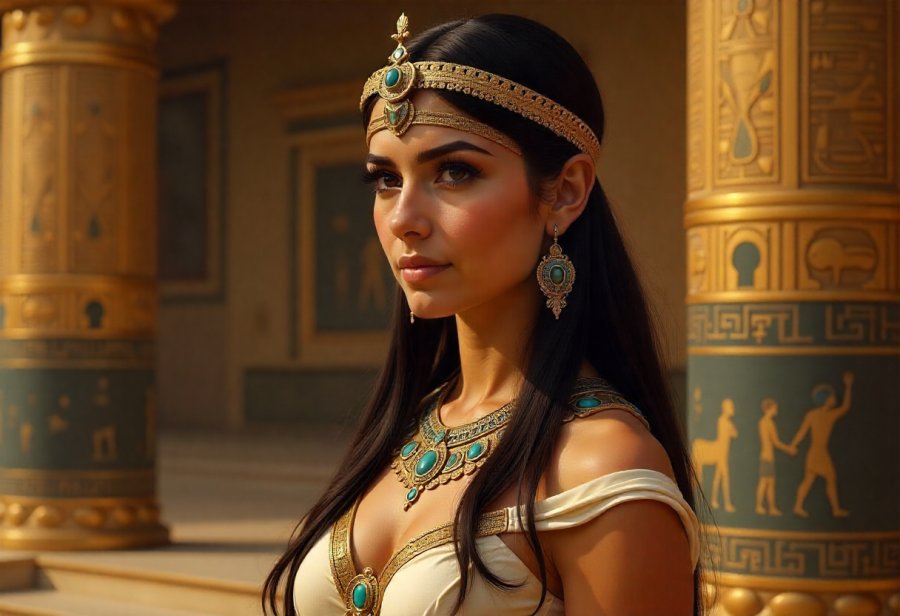
True Power Revealed: Reassessing Cleopatra’s Enduring Legacy of Wisdom and Diplomacy
Cleopatra’s true power wasn’t rooted in her beauty or her legendary romances; it lay in her mind. Her ability to navigate Egypt’s turbulent politics, forge strategic alliances, and maintain independence for nearly two decades all stemmed from her sharp intelligence and political acumen. She understood that leadership demands more than charm—it requires wisdom, foresight, and resilience, qualities she cultivated through education, cultural understanding, and strategic thinking.
Her mastery of diplomacy and internal governance showed that influence comes from substance, not superficial allure. Cleopatra’s multilingual skills, scholarly pursuits, and ability to read her rivals allowed her to craft policies that protected Egypt’s sovereignty. Her patronage of the Library of Alexandria symbolized her belief in knowledge as a source of strength—an idea that sustained her reign amid external threats and internal unrest.
Reassessing her legacy reveals a leader whose greatness was rooted in her capacity to think several steps ahead. She balanced internal stability with external diplomacy, always prioritizing her kingdom’s long-term survival over short-lived appearances. Her resilience in the face of adversity, combined with her strategic patience, turned setbacks into opportunities for growth. Cleopatra exemplified how mental toughness and adaptability are vital for enduring leadership.
Her story challenges the romanticized image of a seductress and instead highlights the power of influence through intelligence and cunning. Cleopatra’s leadership was a complex dance of cultural diplomacy, strategic negotiation, and resilience—traits that allowed her to shape history and extend Egypt’s independence longer than many expected. Her legacy is a testament to the fact that true influence stems from the strength of the mind, not just external allure.
Today, her example remains profoundly relevant. Leaders who value critical thinking, cultural awareness, and perseverance can draw inspiration from her life. Cleopatra’s greatest strength was her capacity to think deeply and act strategically, qualities that continue to define effective leadership. Her enduring influence reminds us that the most lasting power comes from cultivating wisdom, resilience, and a keen mind—an inheritance that surpasses even the most captivating outward appearance.