Learning to swim transcends mere technique, serving as a profound journey toward confidence, safety, and personal empowerment. But what if the biggest hurdle is simply taking that first brave step into the water? From hesitant beginners to seasoned swimmers overcoming childhood fears, this guide explores how patience, support, and innovative teaching methods transform anxiety into freedom. Modern approaches leverage technology—virtual reality, AI coaching, gamification—to make water confidence accessible, personalized, and less intimidating. Real-life stories underscore that progress is individual and achievable at any age, emphasizing small victories that steadily build trust and mastery. With ongoing advancements in swim education, the future promises even more inclusive, engaging strategies that turn water fears into lifelong skills. Are you ready to embrace the challenge and unlock the joy and safety that come with learning to swim?
Embark on a Confidence-Building Journey into Learning to Swim
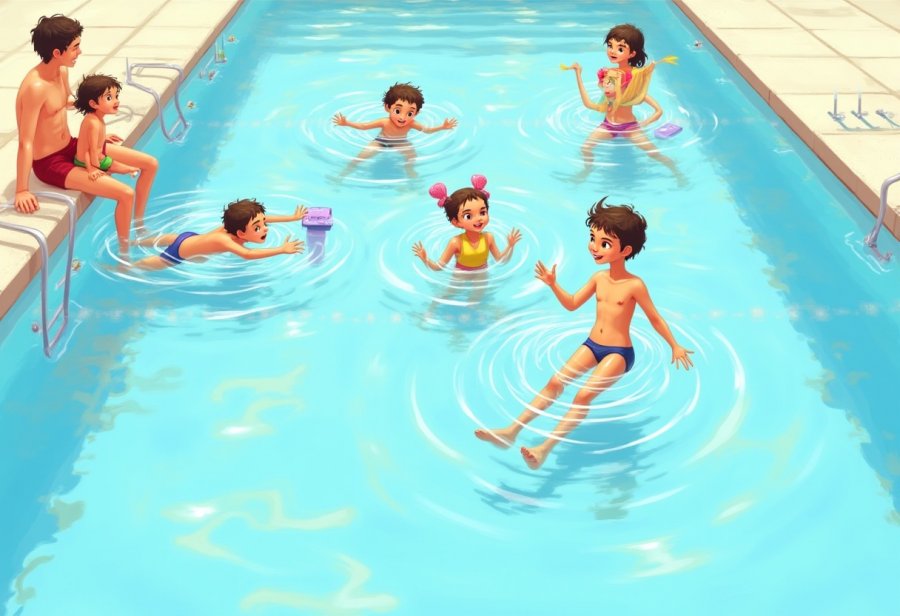
Learning to swim is a journey that goes beyond simply mastering strokes—it’s a powerful step toward building confidence and independence in the water. For many, the idea of stepping into a pool or ocean water can trigger nerves or hesitation, often rooted in childhood fears or unfamiliarity. Yet, facing these feelings and embracing the process can lead to a sense of achievement that extends well beyond the water’s surface. It’s about transforming anxiety into empowerment, one small step at a time.
This journey begins with understanding that everyone’s experience is unique. Some start with tentative splashes or sitting at the edge of the pool, while others dive right in, eager to conquer their fears. No matter where you begin, the common thread is patience and persistence. Learning to swim isn’t about perfection from the start; it’s about gradually building trust in yourself and your abilities through consistent practice and gentle encouragement.
Overcoming water-related fears unlocks a world of freedom and enjoyment. When you take that initial leap—whether dipping a toe in or floating for the first time—you set in motion a process of growth that can last a lifetime. Each small victory, like floating independently or swimming a few strokes, becomes a building block for confidence. These moments serve as reminders that fears are often just hurdles waiting to be crossed with support and perseverance.
The importance of learning to swim goes beyond personal achievement; it’s a vital safety skill. Fear can sometimes prevent individuals from acquiring essential water safety techniques, which are crucial in emergencies. Conquering these fears not only boosts confidence but also prepares you to handle water situations calmly and competently. It’s a mental shift that turns water from a source of anxiety into a space for fun, relaxation, and safety.
Starting this journey requires courage, but it’s a step anyone can take at any age. Whether you’re a child with a playful curiosity or an adult facing long-standing fears, the first move into the water marks the beginning of a rewarding transformation. With patience, support, and a willingness to learn, you can turn water fears into lifelong skills that open up new worlds of adventure and confidence.
Ultimately, learning to swim is about more than just strokes and floats—it’s about discovering your inner strength and resilience. Every effort you make helps break mental barriers, revealing the joy and freedom that water can offer. The path may have its challenges, but the reward—a sense of achievement and confidence that lasts a lifetime—is well worth every brave step forward.
Tracing the Evolution of Swimming Education Through the Ages
Swimming instruction has come a long way from its earliest days, evolving in response to changing perceptions of water safety and the needs of learners. In ancient times, swimming was primarily a practical skill learned informally—children and adults picked it up through observation and imitation, often in rivers, lakes, or the sea. It was a matter of survival, not formal education, and structured lessons were rare. This organic approach meant that water skills varied widely depending on community, culture, and environment.
As societies grew more organized, the importance of formalized swimming education became clearer. By the 19th century, pioneers began developing standardized techniques, emphasizing safety and efficiency. These early efforts focused on teaching basic strokes and rescue skills, laying the groundwork for drowning prevention. The advent of organized swim lessons marked a shift from informal learning to systematic instruction, with instructors guiding learners through specific techniques aimed at reducing water-related risks.
The invention of swimming pools in the late 1800s revolutionized water education. Controlled environments meant lessons could happen year-round, regardless of weather or natural water conditions. Organizations like the Amateur Swimming Association and the American Red Cross established standards and certification processes, ensuring consistency and safety in teaching practices. These developments made swimming more accessible and inclusive, encouraging people of all ages to learn and participate confidently.
Over time, the purpose of swimming instruction expanded beyond just survival skills. It became recognized as a vital part of health, recreation, and lifelong safety. Emphasis shifted toward building efficiency in strokes, promoting physical fitness, and fostering enjoyment. Schools, community centers, and clubs started offering structured programs designed to reach diverse populations, making water confidence a common goal across different age groups.
Cultural attitudes also influenced how swimming education evolved. In maritime communities, water safety was woven into daily life, while others focused more on sport and leisure. Public health campaigns and drowning prevention initiatives pushed for widespread, systematic instruction, transforming water safety from a niche skill into a societal priority. These efforts have contributed to a steady decline in drowning incidents and increased confidence among swimmers.
Today, modern swim programs blend traditional techniques with technological innovations. Virtual reality, digital coaching, and advanced training tools help learners visualize movements and practice skills in safe, engaging ways. This ongoing evolution makes water confidence more accessible, personalized, and effective, ensuring that everyone can benefit from learning to swim.
The journey from informal, survival-based learning to comprehensive, inclusive education underscores how far swimming instruction has come—and how it continues to adapt. The focus now is on making water confidence attainable for all, fostering a lifelong relationship with water that emphasizes safety, enjoyment, and personal growth.
Harnessing Modern Techniques and Technologies to Master Swimming
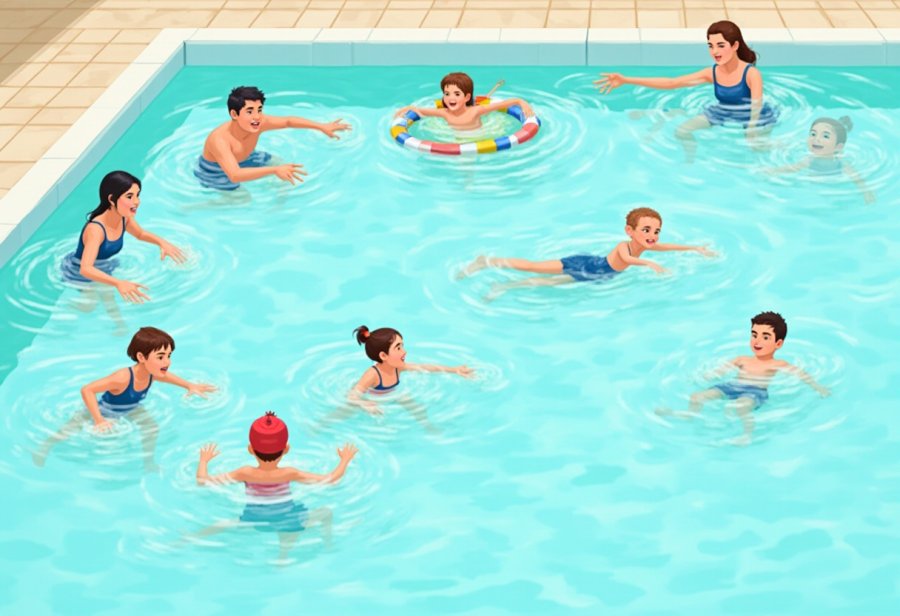
Modern approaches to learning to swim have transformed how people of all ages build water confidence. Today’s methods combine traditional techniques with innovative tools that make the process more engaging and less intimidating. Digital apps, video tutorials, and virtual coaching allow learners to visualize movements, understand techniques better, and practice at their own pace—whether in a pool or from home. This integration of technology demystifies water skills, encouraging consistent practice, which is key to overcoming fears.
Structured programs now emphasize gradual exposure, starting in shallow water and slowly progressing to deeper areas. This step-by-step approach helps learners develop trust in their abilities without feeling overwhelmed. Instructors create positive, supportive environments where students are encouraged to move at their own comfort level, celebrating small victories along the way. Such environments reduce anxiety and foster enjoyment, especially for those nervous about water.
Classes are increasingly tailored to meet diverse needs. Children often learn through playful methods that incorporate games and floats, making water feel friendly and approachable. For adults or those with water-related fears, private or semi-private lessons focus on relaxation, breathing techniques, and building trust. These personalized approaches recognize that everyone’s fears and learning styles are different, helping ensure steady progress without unnecessary pressure.
Instructors today act more as confidence facilitators than just stroke teachers. They use positive reinforcement, patience, and personalized feedback to help learners break through water fears. Many programs prioritize safety skills from the start, ensuring that confidence is paired with competence. This comprehensive approach turns anxiety into a sense of mastery and security, making water a space for fun and safety rather than fear.
Support from family and friends plays a crucial role in the learning process. When loved ones cheer on progress, learners feel more motivated and less isolated. This emotional backing transforms water learning into a shared journey, making it easier to stay committed. Witnessing small successes—like floating independently or swimming a short distance—reinforces that overcoming water fears is possible at any age.
Looking ahead, technological advances promise even more personalized and accessible swim education. Virtual reality, AI-powered feedback, and gamified apps are making water confidence-building more fun and effective. These tools help break down barriers—whether fear, discomfort, or access issues—and ensure that more people can enjoy the water safely and confidently. As these innovations develop, the path from apprehension to mastery will become clearer and more achievable for everyone.
Real Stories of Triumph: Overcoming Water Fears in the Wild
Many learners and instructors share stories that highlight the real-world challenges and victories involved in overcoming water fears. For beginners, progress often starts with small steps, like sitting at the pool’s edge or gently splashing water on their face. These moments, though seemingly minor, are crucial in building trust and reducing anxiety. Instructors understand that patience and personalized encouragement can turn tentative efforts into meaningful breakthroughs, showing that progress isn’t always linear but is driven by persistence and support.
Take Sarah, who always dreaded putting her face underwater. With gentle guidance and steady practice, she gradually floated and swam her first few strokes at age 35. Her journey proves that even deep-seated fears can be transformed through consistent effort and a caring approach. Similarly, Mark, initially terrified of deep water, learned to trust his instructor and himself. He eventually participated in open water swimming, illustrating that overcoming water fears is possible at any age with the right mindset and support.
Many programs and personal stories demonstrate that emphasizing gradual exposure and positive reinforcement leads to impressive results. Participants often report a significant confidence boost after just a few lessons—moving from hesitant beginners to capable swimmers. Achieving milestones like floating independently or swimming across a short pool can seem daunting initially, but these successes affirm that with patience and encouragement, water anxiety can be conquered.
These stories also highlight the varying pace of progress. Some might overcome their fears after a few sessions, while others need weeks of steady practice. The key is to stay committed and celebrate every small victory along the way. When instructors listen and adapt to individual needs, they turn tentative steps into genuine confidence. These real-world experiences show that water fears are not insurmountable but are challenges that can be addressed with persistence and support.
Support from loved ones plays a vital role in this process. When friends or family cheer on each milestone, learners feel more motivated and less isolated. This emotional backing transforms water learning into a shared experience, making it less intimidating and more enjoyable. Moments of encouragement—whether a kind word or shared celebration—often inspire that next brave step, like floating a little longer or venturing into deeper water for the first time.
Instructors witness firsthand how tiny successes lead to bigger ones. A learner might start by sitting in shallow water, then float on their back, and eventually swim a short distance confidently. Each achievement builds trust and reinforces that progress is about steady effort rather than instant mastery. These stories of transformation serve as powerful reminders that, with patience, water fears can become lifelong confidence, turning water from a source of anxiety into a space of freedom and fun.
Shaping the Future: Innovations Transforming Water Confidence Education
Innovations in swimming education are transforming how people overcome water fears and build lasting confidence. Virtual reality (VR) and augmented reality (AR) are creating safe, immersive environments where learners can familiarize themselves with water in a controlled setting. These tools allow individuals to practice breathing, floating, and even basic strokes virtually, reducing anxiety and preparing them mentally before stepping into a real pool. This gradual exposure helps dismantle mental barriers, making the transition into actual water more natural and less intimidating.
Alongside VR and AR, wearable devices equipped with AI-powered coaching are enhancing personalized learning. These gadgets track movements, provide real-time feedback, and adapt training plans to match each learner’s comfort level and progress. This technology makes instruction more precise and engaging, especially for those who may feel overwhelmed by traditional methods. As a result, water confidence can be built more efficiently, catering to individual needs and reducing dropout rates among hesitant learners.
Gamification and interactive apps are also paving the way for a fun, motivating approach to overcoming fears. Virtual challenges, achievement badges, and playful rewards turn water confidence-building into an adventure. These innovations encourage consistent practice, celebrating small victories that boost motivation and reinforce progress. As gamified tools become more sophisticated, they promise to make the journey from fear to mastery feel less like a chore and more like an exciting quest.
Inclusivity remains a key focus for future swim education. Efforts to extend access through mobile apps, community virtual platforms, and affordable training programs are breaking down barriers related to location, cost, and cultural differences. These initiatives ensure that more people—regardless of background—can develop water confidence without feeling excluded. By reaching underserved communities, swimming becomes a truly universal skill that fosters safety, recreation, and lifelong enjoyment.
Continued research and data collection will refine these technological tools further. Insights gained from digital coaching, learner feedback, and performance analytics allow educators to tailor programs more precisely. This ongoing innovation ensures that water confidence-building remains effective, adaptable, and responsive to emerging needs, making the process smoother and more personalized for each individual.
Looking ahead, the integration of virtual reality, AI, and gamification is poised to make overcoming water fears more accessible than ever. These advancements will help more learners progress at their own pace, with less anxiety and more fun. As technology continues to evolve, the pathway from apprehension to confidence will become clearer and more achievable, turning water into a space of freedom and lifelong discovery.