Learning to ride a bike is more than a childhood milestone; it embodies courage, resilience, and the deep bonds of family. As children wobble, fall, and ultimately succeed, they develop confidence and independence, lessons that extend far beyond the driveway. But does the fear of falling overshadow the thrill of riding freely? This activity weaves history, culture, and modern techniques, emphasizing patience, safety, and gradual progress. Families today foster resilience through supportive environments, turning practice into cherished traditions filled with small victories and shared joy. These moments of perseverance and trust forge lasting memories and strengthen bonds, teaching valuable life lessons about overcoming obstacles. Could mastering a simple two-wheel journey unlock a lifelong attitude of confidence and resilience? Ultimately, learning to ride isn’t just about balance — it’s about cultivating the courage to face challenges head-on, supported by love and support that shape brave, independent individuals ready to embrace life’s adventures.
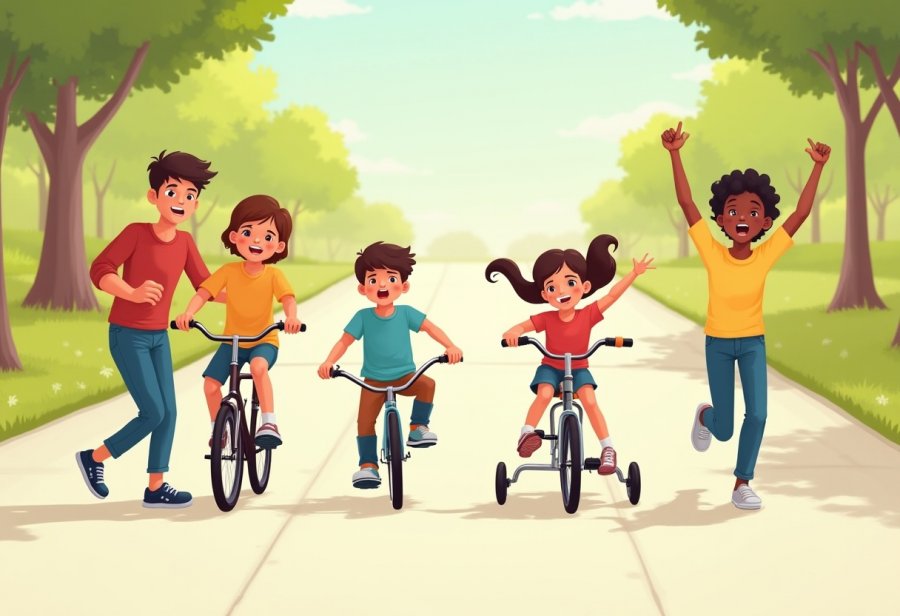
Discover How Learning to Ride a Bike Builds Courage and Family Bonds
Learning to ride a bike is more than just a childhood milestone; it’s a powerful symbol of courage and family bonding that sticks with us through the years. From those first shaky pushes to the moment of independence, those early rides become treasured memories filled with support, patience, and shared joy. They mark a turning point—when a child begins to trust themselves and parents witness their growing confidence in real time.
This simple act of balancing on two wheels carries deep emotional significance. It challenges kids to face their fears—whether it’s the fear of falling or trying something new—while encouraging resilience. For parents, watching their children wobble, fall, and eventually succeed creates a sense of pride and a stronger connection. These experiences foster a bond rooted in encouragement and shared effort, strengthening family ties in a meaningful way.
Learning to ride a bike isn’t just about physical skill; it embodies broader life lessons. Every wobble and tumble offers a chance to develop perseverance, patience, and confidence. As children master balance and coordination, they learn that setbacks are a natural part of growth. These lessons extend far beyond the driveway or park, helping shape their attitude toward challenges they will face later in life.
Teaching a child to ride also reflects cultural values about independence. For many families, it’s a rite of passage that signifies trust and readiness to explore the world. Whether celebrated with family outings or simple backyard practice, these moments become traditions that reinforce support and resilience. As children pedal away on their own, they carry with them a sense of achievement and reassurance that they are loved and capable.
In today’s world, approaches to bike learning have evolved, emphasizing safety, patience, and gradual progress. Many parents now favor balance bikes and step-by-step techniques that prioritize confidence-building over rushing. This shift aligns with our understanding that fostering independence is best achieved through a supportive environment where children feel secure enough to take risks and learn from mistakes.
At its core, learning to ride a bike is about more than just physical coordination. It’s about nurturing resilience, building confidence, and strengthening family bonds. These shared experiences, filled with effort and support, create a foundation that extends well beyond the bike—shaping children into brave, independent individuals ready to face future challenges with their family by their side.
Unveiling the History and Cultural Significance of Pedaling into Growth
The story of learning to ride a bike stretches back over a century, and its origins reveal why it remains such a powerful symbol of childhood growth. When bicycles first appeared in the late 1800s, they weren’t just modes of transportation—they represented newfound freedom, independence, and technological innovation. Early models like velocipedes and penny-farthings captured imaginations, transforming mobility and offering young riders a glimpse of a broader world beyond their immediate surroundings. This sense of exploration and empowerment helped cement cycling as a key rite of passage.
Across different cultures, riding a bike has taken on varied but equally meaningful roles. In many Western societies, learning to ride is considered an essential step toward maturity, often marked by family celebrations or special outings. For children, mastering this skill signals a move toward independence, a moment where they begin to navigate their environment with more confidence. In other regions, bicycles are woven into daily life from a young age, serving as practical tools for transportation, social connection, and economic activity, reinforcing the idea that riding is more than just a skill—it’s a shared cultural experience.
Historically, bicycles played a significant role in shaping social change. They expanded personal mobility, breaking down barriers for women and young people by providing affordable independence. The simplicity and accessibility of bikes fostered self-reliance and created community bonds through clubs, races, and shared adventures. For children, learning to ride symbolizes a leap toward autonomy—an emotional milestone that boosts confidence and encourages resilience. These stories of perseverance, falls, and triumphant rides are woven into the fabric of family memories and community narratives.
The act of teaching a child to ride is more than just physical coordination; it’s a storytelling tradition rooted in resilience and support. Many families recall the early tumbles, the persistent efforts, and the triumphant moments when their child pedaled confidently alone. These experiences aren’t solely about mastering balance—they’re about trust, encouragement, and overcoming fear. The bicycle becomes a symbol of overcoming obstacles, embodying lessons that extend well beyond childhood and into every challenge faced later in life.
Today, the cultural importance of learning to ride persists, even as methods evolve. From traditional training wheels to modern balance bikes and safety gear, the focus remains on fostering confidence and a positive experience. Media stories, social media posts, and community events celebrate these milestones, emphasizing that mastery over a bike is a universal symbol of growth, independence, and resilience. Riding a bike continues to connect generations, reminding us that perseverance, support, and courage are timeless values.
Understanding the history and cultural significance of bike riding deepens our appreciation for this simple yet profound activity. It’s a reflection of human progress, community spirit, and personal development. Learning to ride isn’t just about physical skill—it’s about embarking on a journey of self-discovery, trust, and resilience that leaves a lasting imprint on both individual lives and shared cultural narratives.
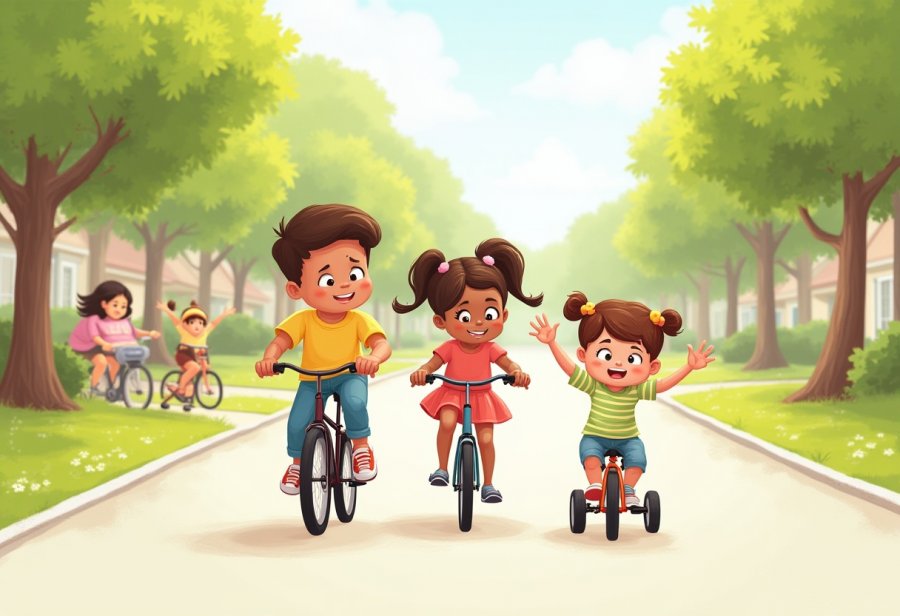
Modern Approaches: Fostering Confidence and Safety in Bike Learning
Today, teaching kids to ride bikes looks quite different from a generation ago. While holding onto a seat or using training wheels remains common, many parents and educators now favor methods that build confidence gradually. This shift stems from a deeper understanding of how children learn and develop resilience, emphasizing safety and emotional comfort over rushing to mastery.
Safety gear has become an integral part of the process. Helmets, knee pads, and elbow pads are now standard, giving children the freedom to practice without constant fear of injury. When kids feel protected, they’re more willing to take risks, experiment, and push their boundaries. This approach encourages independence while reducing the anxiety that can come with learning something new.
Modern techniques focus on letting children learn at their own pace. Starting with balance bikes helps them develop core skills before adding pedaling. This step-by-step process minimizes frustration and keeps the experience enjoyable. Instead of pressuring kids to ride solo quickly, parents celebrate small victories—like balancing steadily or pedaling smoothly—fostering a positive attitude toward learning.
Social media and online videos also influence how families approach bike learning. Many share stories of little ones conquering their first rides, inspiring others and creating a culture of celebration around these milestones. These stories reinforce that riding a bike is an achievable goal filled with pride and joy, making the experience feel accessible and exciting.
Cultural differences shape teaching styles as well. Some communities favor unstructured outdoor play, encouraging kids to explore and learn on their own, while others prefer more structured lessons focused on technique and safety protocols. Both approaches aim to boost confidence, though they reflect different values about independence and risk-taking.
Despite evolving methods, the core principles remain unchanged: fostering confidence, ensuring safety, and nurturing perseverance. The emphasis is on creating positive experiences that make children eager to learn, rather than fear the process. By combining patience, encouragement, and practical techniques, parents and educators help kids enjoy the journey and develop resilience that extends beyond the bike.
Ultimately, today’s approach recognizes that learning to ride is about more than just physical coordination. It’s a pathway to building trust in oneself and in the support system around them. When children feel safe and supported, they’re more likely to embrace challenges with enthusiasm and confidence, laying a foundation for future growth and independence.
Family Strategies: Creating Joyful Rides and Strengthening Connections
Teaching a child to ride a bike is as much about family bonding as it is about developing a new skill. Creating a safe, open space—like a park or quiet street—sets the stage for relaxed practice, free from distractions. Choosing a bike that fits your child’s size and comfort level is crucial; an ill-fitting bike can lead to frustration and setbacks. Always equip your child with safety gear, especially helmets and pads, so they feel protected and confident as they practice balancing and pedaling.
Start with simple activities that foster trust and build confidence. Supporting your child with steady hands while they balance or using training wheels initially can ease their fears. As they gain stability, gradually step back, encouraging independence. Incorporate playful challenges, like weaving through cones or racing short distances, to make learning feel like an exciting adventure rather than a chore. Celebrating small victories—like staying upright or pedaling smoothly—keeps motivation high and reinforces their efforts.
Patience is key. Kids wobble, hesitate, fall, and then get up again, each time inching closer to mastery. Reassure them that falling is a normal part of learning, emphasizing that setbacks are just stepping stones. This mindset helps children develop resilience and a positive attitude toward challenges, both on and off the bike. Creating a low-pressure environment allows them to focus on progress rather than perfection, fostering a love for the activity and trust in their own abilities.
Making practice part of a family routine transforms learning into a cherished tradition. Setting regular times—like weekend afternoons—for rides builds consistency and anticipation. Turning these sessions into games, such as racing to a favorite spot or navigating simple courses, adds fun and a sense of achievement. These shared moments of effort and success strengthen your bond and help your child associate perseverance with family support.
As confidence grows, encourage your child to ride independently. Standing nearby but giving them space to pedal alone demonstrates trust and supports their sense of autonomy. Watching them confidently ride away is a proud moment, proof of their trust in themselves and your encouragement. Celebrating these milestones reinforces that effort and support lead to growth, making the journey memorable and meaningful.
Throughout this process, focus on making every ride fun and rewarding. The goal isn’t just to teach riding but to create positive experiences that foster confidence and deepen your connection. Every fall, every small victory, and every shared smile builds resilience and trust. These moments lay a foundation that extends beyond riding—shaping children into courageous, independent individuals supported by a loving family.
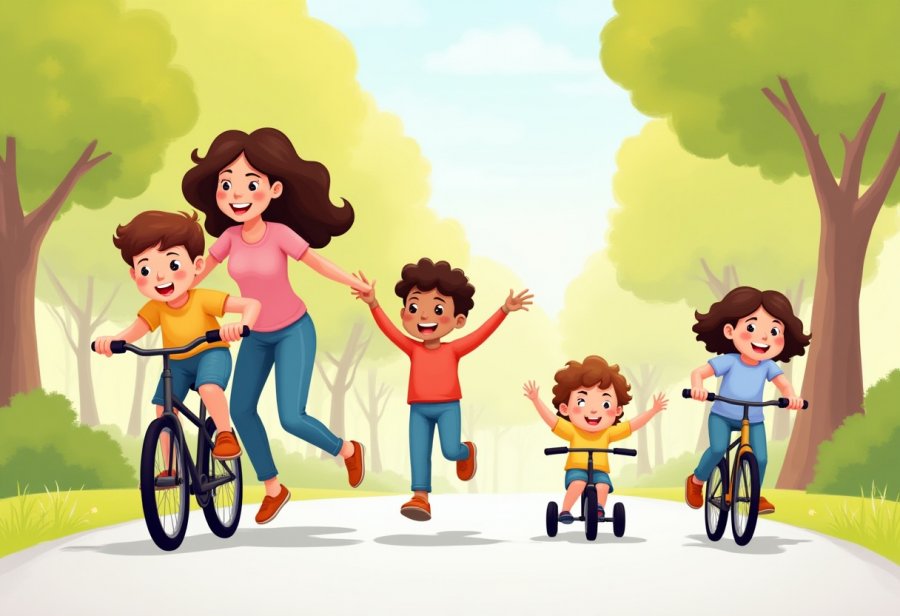
Celebrating Progress: Cultivating Resilience and Confidence for Lifelong Adventures
Learning to ride a bike is more than just a physical skill; it’s a powerful symbol of courage, trust, and the strength of family bonds. As children wobble, fall, and then get back up, they develop resilience and confidence that carry well beyond the bike itself. These moments of overcoming fear teach valuable lessons about persistence and support—lessons that stay with them long after their first solo ride and shape how they approach challenges in all areas of life.
This milestone also emphasizes patience and perseverance. Every stumble and tumble becomes a stepping stone toward growth, transforming setbacks into opportunities to learn. When families stand by their side, offering reassurance and celebrating effort, they reinforce that progress is driven by effort and encouragement, not perfection. These shared experiences deepen trust and create a strong foundation for future challenges, fostering a sense of achievement and belonging.
Looking forward, maintaining a supportive environment remains essential. Consistent practice, small victories, and gentle encouragement help children internalize resilience and confidence. As they experience success, they become more willing to face new challenges, both on and off the bike. These early lessons in bravery and persistence lay the groundwork for a mindset that values growth, effort, and optimism, equipping kids to navigate life’s obstacles with a positive attitude.
Family involvement continues to be a key driver of this journey. Celebrating every milestone, from shaky starts to confident rides, builds a culture of encouragement that motivates children to keep pushing forward. Sharing stories of falls and triumphs fosters resilience and a growth mindset, reinforcing that setbacks are simply part of the learning process. When children know they are supported unconditionally, they develop a sense of security and self-trust that fuels their independence.
In the end, learning to ride a bike is about more than mastering balance—it’s about cultivating courage, trust, and resilience that will serve children throughout their lives. These shared moments of effort and joy strengthen family ties and create lasting memories, instilling a belief that with support and perseverance, any challenge can be overcome. By nurturing confidence now, we help shape brave, independent individuals ready to pedal confidently into whatever the future holds.