Imagine transforming your Toronto yard into an outdoor sanctuary that seamlessly blends beauty, sustainability, and personal needs. How can homeowners craft landscapes that are not only visually stunning but resilient against Toronto’s climate and urban constraints? This guide reveals that successful outdoor retreats start with thoughtful planning—emphasizing native plants, eco-friendly materials, and water management techniques—creating spaces that thrive with minimal intervention. But maintaining these landscapes over time demands vigilant care, from regular inspections to eco-conscious watering and pruning. Real-world examples demonstrate how strategic design choices—such as native plant selections, permeable pavers, and rain gardens—can turn ordinary yards into thriving ecosystems. The challenge lies in balancing aesthetic appeal with ecological responsibility—ensuring that every element contributes to a resilient, low-maintenance haven. Are you ready to reimagine your outdoor space as a sustainable retreat that enriches both your life and the environment?
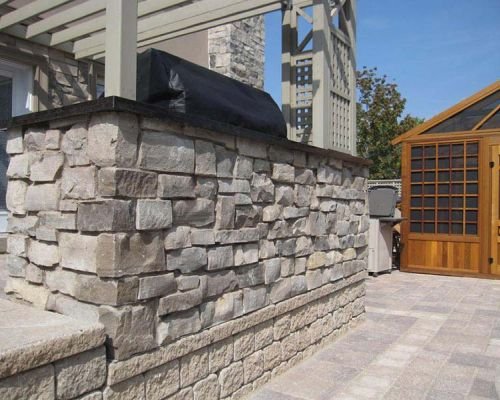
Transform Your Toronto Yard into a Beautiful, Sustainable Retreat
Transforming Toronto yards into inviting outdoor retreats is about more than just planting a few flowers or adding some furniture. It’s a deliberate process that balances beauty with purpose, creating spaces that enhance your property while respecting the environment. As city residents seek peaceful escapes without leaving home, well-designed landscapes become valuable extensions of our living spaces—places to unwind, gather with friends, or enjoy quiet moments surrounded by nature.
This transformation starts with thoughtful planning that considers Toronto’s unique climate and urban landscape. Native plants are a smart choice because they thrive naturally in local soil and weather, requiring less water and fewer chemicals. Eco-friendly materials like recycled wood or permeable pavers not only look good but also help reduce environmental impact. Incorporating water management techniques, such as rain gardens or drip irrigation, conserves resources and keeps your yard lush and healthy year-round.
A successful yard makeover isn’t just about visual appeal. It’s about building resilience—designing outdoor spaces that withstand seasonal changes, heavy rainfall, and space constraints typical in the city. Every element should serve a purpose, whether providing shade, privacy, or habitat for local wildlife. When each piece functions well and complements the others, your outdoor retreat remains beautiful, practical, and low-maintenance over time.
In Toronto’s vibrant, fast-growing environment, outdoor spaces offer a vital connection to nature amid the urban hustle. They give homeowners a chance to relax, recharge, and enjoy the outdoors without leaving their property. A well-crafted landscape can boost curb appeal, increase property value, and create a personal sanctuary—an authentic reflection of your lifestyle that blends style with sustainability.
Balancing these priorities isn’t always straightforward. It involves understanding Toronto’s climate challenges, soil conditions, and urban constraints. Clear communication with clients helps translate their vision into a sustainable, functional design that feels authentic and personal. Every yard transformation is unique, shaped by individual needs and tastes, ensuring the final result is both beautiful and environmentally responsible.
Core Principles: Building Eco-Friendly, Resilient Landscapes
Sustainable landscape design begins with selecting native plants that are naturally adapted to Toronto’s climate. These species thrive with minimal watering, fertilizers, and pesticides, reducing maintenance efforts while supporting local biodiversity. By choosing plants that are well-suited to the environment, homeowners can enjoy lush gardens that require less intervention and are more resilient to seasonal changes.
Incorporating eco-friendly materials is essential to creating durable, environmentally responsible outdoor spaces. Reclaimed wood, recycled pavers, and permeable surfaces allow rainwater to seep into the ground, which replenishes groundwater and eases pressure on city drainage systems. These materials not only enhance the aesthetic appeal but also help landscapes withstand Toronto’s weather extremes without frequent repairs.
Designing with sustainability in mind involves thoughtful zoning of different areas, such as patios, gardens, and play zones. Proper placement of native plants, pathways, and water features creates harmony and flow, while also supporting ecological functions. Incorporating features like small ponds or native shrubs adds visual interest and encourages local wildlife, turning the yard into a thriving mini-ecosystem.
Native plants are particularly valuable because they require fewer resources to maintain. Their resilience to Toronto’s weather means less watering and fewer chemical treatments, which helps keep the landscape healthy and environmentally friendly. Selecting the right native species during planning ensures the garden remains sustainable, low-maintenance, and beautifully integrated into the local landscape over time.
Balancing personal style with ecological responsibility is a key principle. Whether a homeowner prefers a lush, colorful garden or a minimalist, easy-care yard, integrating native plants and eco-friendly materials can align with individual tastes. Listening to clients’ preferences helps create landscapes that are both visually stunning and sustainable, fostering a sense of ownership and pride.
Embedding eco-friendly practices into ongoing maintenance sustains the landscape’s health and beauty. Techniques like mulching to conserve moisture, organic fertilizers to nourish plants naturally, and drip irrigation to reduce water waste keep the yard vibrant and resilient. Regular monitoring and early intervention prevent pest issues, minimizing reliance on chemicals and supporting long-term ecological balance.
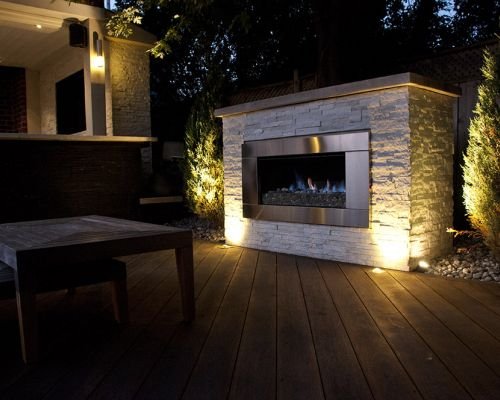
Keep Your Outdoor Space Vibrant and Green with Smart Maintenance
Maintaining the beauty and sustainability of a Toronto landscape demands consistent care and attentive management. Regular inspections help identify any signs of stress, pest issues, or disease early, allowing for prompt action that prevents larger problems down the line. Pruning plants at the right times encourages healthy growth, maintains shape, and keeps the landscape looking tidy and inviting. Using organic fertilizers and compost naturally replenishes soil nutrients, supporting vibrant plant health without relying on chemicals that could harm the environment.
Water management remains a key component of long-term landscape success. Installing drip irrigation or soaker hoses ensures water reaches plant roots directly, reducing waste and minimizing runoff. During dry spells, these systems keep native and drought-tolerant plants thriving, especially when combined with rainwater harvesting methods like barrels or rain gardens. These practices not only promote healthy growth but also ease pressure on city drainage systems during heavy rains, helping to manage stormwater sustainably.
Choosing native plants simplifies ongoing maintenance because they are naturally adapted to Toronto’s climate. Their resilience means less watering, fewer fertilizers, and fewer chemical treatments, making them easier to care for over time. Regularly inspecting plants for signs of pests or stress allows for early intervention, which can prevent infestations or diseases from escalating. This proactive approach keeps the landscape vibrant and ecologically balanced, reducing the need for chemical controls and supporting a healthier environment.
Clear communication with clients throughout the maintenance process ensures they are confident and capable of caring for their landscape. Providing guidance on watering schedules, pruning techniques, and seasonal adjustments empowers homeowners to sustain their outdoor spaces effectively. When clients understand the reasoning behind these practices, they tend to stay committed, ensuring their landscape remains healthy and beautiful for years to come.
Incorporating these practices—routine inspections, water-efficient systems, native plant care, and client education—creates a sustainable cycle of maintenance that preserves the landscape’s integrity. Over time, this attention to detail enhances ecological resilience and ensures the yard remains a lush, low-maintenance retreat. Thoughtful upkeep not only maintains visual appeal but also strengthens the landscape’s ability to withstand Toronto’s seasonal shifts and weather extremes.
A well-maintained yard is a lasting investment that evolves gracefully with time. Consistent care transforms initial design efforts into a thriving, sustainable outdoor environment. By staying engaged and adapting maintenance routines to seasonal needs, homeowners can enjoy a resilient, beautiful space that supports ecological health and personal enjoyment for years to come.
Turning Design Ideas into Reality: Successful Toronto Yard Projects
Applying landscape design principles to real Toronto yard projects means turning ideas into tangible results that strike a balance between beauty and sustainability. Take a recent backyard transformation where a thorough site assessment guided every decision. By analyzing soil conditions, sunlight exposure, and drainage issues, we identified native plants that would thrive naturally, reducing the need for extra watering or chemicals. Choosing local species not only supported the environment but also created a lush, low-maintenance garden tailored to Toronto’s climate.
Eco-friendly materials played a key role in this project. Reclaimed wood was used for seating areas, and permeable pavers replaced traditional concrete pathways. These choices demonstrated how sustainable materials can blend seamlessly into design, making the yard more resilient and eco-conscious. During installation, careful attention was paid to proper techniques—ensuring features like the rain garden and lighting fixtures would withstand Toronto’s seasonal changes and heavy rains.
A small, naturalistic pond became a focal point, adding tranquility while supporting local wildlife and helping manage stormwater runoff naturally. Layered planting with native grasses, flowering shrubs, and ground covers created visual interest and promoted biodiversity. Strategic lighting highlighted key features and extended usability into the evening, transforming the space into a cozy retreat after sunset.
Throughout the project, collaboration with the homeowner was essential. Their preferences for privacy, low-maintenance features, and entertainment spaces shaped plant selection and layout. This close communication ensured the final result was personal, functional, and aligned with sustainable principles. The seamless integration of these elements produced an outdoor space that feels both beautiful and environmentally responsible.
Meticulous craftsmanship during installation—laying permeable pavers, planting native species with care—ensured durability and longevity. After completing the build, we provided guidance on ongoing care, including watering, pruning, and seasonal adjustments. This support helps the homeowner maintain a vibrant, sustainable yard that evolves with the seasons.
This project showcases how applying core design principles in Toronto’s real-world settings creates yards that are as functional and resilient as they are beautiful. Thoughtful execution turns landscape concepts into inviting, eco-friendly retreats that enrich lives while respecting the city’s natural environment.
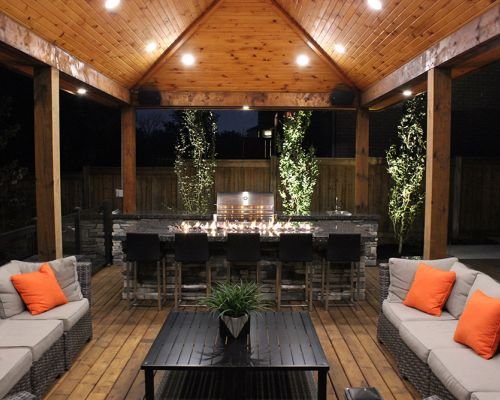
Balancing Beauty and Sustainability for a Thriving Outdoor Future
Creating a balanced outdoor space in Toronto means weaving together beauty, sustainability, and the unique needs of each homeowner into a cohesive design. When these elements align, the result is a landscape that not only delights the eye but also supports the environment and integrates seamlessly into daily life. Native plants, eco-friendly materials, and water-efficient features form the foundation of resilient landscapes that stand up to Toronto’s seasonal shifts while minimizing ecological impact.
Listening closely to what homeowners want remains central to this process. Each person’s lifestyle, aesthetic preferences, and practical requirements shape the final design, transforming a simple yard into a true extension of the home. By understanding these priorities, designers can craft landscapes that feel authentic and personal, ensuring that eco-conscious efforts enhance rather than compromise style or usability.
When beauty and responsibility work hand in hand, landscapes become more resilient and easier to care for over time. Features like native plantings and permeable paving allow gardens to thrive with less intervention, even through Toronto’s weather extremes. These thoughtful choices help preserve the natural charm of the yard, conserve water, and reduce chemical use, turning outdoor spaces into vibrant ecosystems that support local wildlife and ecological health.
Adding carefully selected features such as water elements, lighting, and functional structures elevates a backyard from ordinary to extraordinary. These details create sensory interest and extend usability beyond daylight hours, fostering a sense of retreat and comfort. When integrated thoughtfully, they reinforce the landscape’s ecological health while offering homeowners a personalized sanctuary to enjoy year-round.
Sustainable landscapes aren’t just about initial design—they thrive through ongoing, mindful maintenance. Regular pruning, mulching, and seasonal adjustments keep landscapes vibrant and resilient. Clear communication with clients about care routines empowers them to maintain their outdoor retreat effectively, ensuring it evolves gracefully with the seasons and remains a source of pride and comfort.
Long-term success depends on this continuous cycle of attentive care. When homeowners understand how to nurture their landscape responsibly, they help it mature into a thriving, low-maintenance ecosystem. This ongoing effort enriches daily life, supports biodiversity, and safeguards the environment, making each outdoor space a lasting asset for generations to come.
By integrating aesthetic appeal with ecological responsibility, Toronto landscapes can become more than just beautiful yards—they become vital parts of a sustainable future. These outdoor retreats serve as personal refuges and ecological havens, inspiring a lifestyle that respects and preserves the city’s natural surroundings. When designers and homeowners work together with purpose and clarity, the resulting landscapes are resilient, inspiring, and built to endure, encouraging a healthier planet and more meaningful outdoor experiences.