In a rapidly evolving digital landscape, delivering seamless, customized communication solutions isn’t just advantageous—it’s essential. How can organizations harness the power of Grandstream’s innovative telephony devices to transform network efficiency and deployment simplicity? This exploration reveals how tailored systems, supported by cloud management and scalable hardware like the GRP series IP phones, are revolutionizing business communication. From rapid deployment with zero-touch provisioning to fortified security and high-quality call performance, Grandstream’s ecosystem empowers businesses to grow without disrupting operations. Yet, amid these advancements lies a critical question: Can your current infrastructure adapt swiftly to meet future demands? With the integration of AI, 5G, and unified digital ecosystems, the future of telephony promises smarter, more resilient networks—if you’re ready to connect smarter. Discover how these solutions turn everyday calls into strategic assets, fueling productivity, enhancing customer satisfaction, and securing competitive advantage.
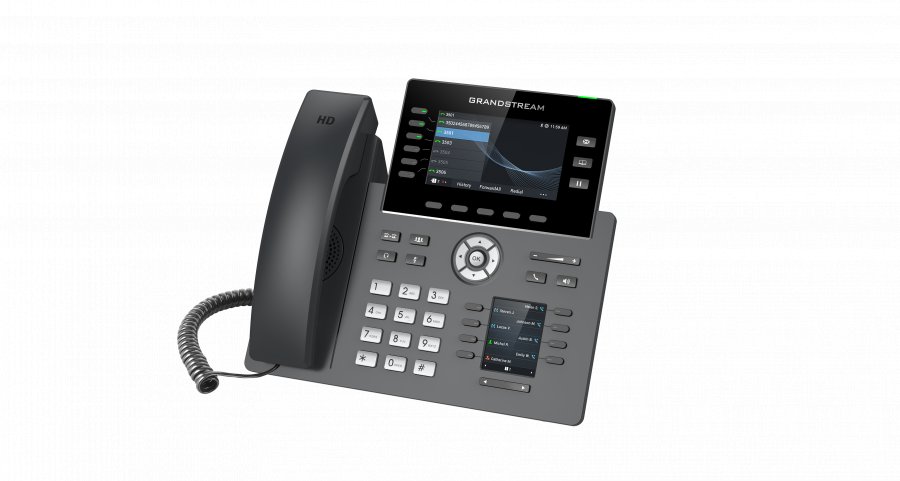
Transform Your Business Communication with Customized Telephony Solutions
In today’s fast-moving business world, effective communication isn’t just a convenience—it’s a must. Whether connecting with customers, coordinating with teams, or collaborating with partners, seamless conversations drive productivity and success. But as companies grow and evolve, so do their communication needs. Rigid, one-size-fits-all phone systems often fall short, creating bottlenecks and missed opportunities. That’s where customized telephony solutions come into play, offering tailored features that match each organization’s unique workflow.
Personalized communication systems are transforming how businesses operate. They enable organizations to design their phone infrastructure around specific priorities—whether that’s quick call routing, personalized voicemail options, or integration with other digital tools. This flexibility minimizes missed calls, reduces confusion, and ensures that every interaction is efficient and meaningful. Instead of forcing teams to adapt to generic systems, companies can shape their communication environment to support their processes and goals.
Investing in these tailored systems brings tangible advantages. For sales teams, features like rapid call forwarding and auto-attendants help handle high volumes with ease, leading to faster responses and happier clients. Customer support teams benefit from quick access to relevant departments, which enhances service quality. Meanwhile, internal teams enjoy streamlined workflows, reducing miscommunications and boosting overall productivity. When communication infrastructure aligns with operational priorities, it becomes a strategic asset rather than just a utility.
Beyond immediate efficiency, customizable telephony solutions support scalability and future growth. Cloud-based management tools make it easy to add or modify features remotely, avoiding the costs and delays associated with traditional hardware upgrades. As businesses expand into new markets or adopt new workflows, their communication systems can evolve smoothly, without disruptive overhauls. This adaptability ensures that the network remains aligned with strategic objectives, facilitating agility in a competitive landscape.
Modern telephony isn’t just about voice calls; it’s about creating an integrated digital environment. Custom systems can connect with customer relationship management platforms, messaging apps, and analytics tools, forming a unified communication ecosystem. This interconnected approach provides a comprehensive view of customer interactions and operational data, enabling smarter decision-making and more personalized service. Such integration turns communication channels from isolated tools into powerful assets for growth and engagement.
The rise of cloud technology has been a game-changer. It has made customized solutions more accessible and manageable than ever. Cloud provisioning allows businesses to deploy new features or expand networks quickly, without the need for extensive hardware investments. Devices like IP phones are designed for scalability, supporting remote management, zero-touch provisioning, and real-time updates. Whether for a small startup or a large enterprise, this flexibility ensures that communication systems can grow alongside the business.
Choosing the right personalized telephony system means understanding your organization’s specific needs and future plans. It’s not just about hardware upgrades but about rethinking how communication can support broader strategic goals. With a focus on customization, integration, and ease of management, businesses can turn their phones into powerful tools for efficiency, customer satisfaction, and competitive advantage. This shift from routine to strategic communication transforms everyday calls into opportunities for growth and connection.

From Landlines to Cloud: Tracing the Evolution of Modern Telephony
Modern telephony didn’t emerge overnight; it evolved from humble beginnings rooted in simple landline connections that relied on analog signals traveling through copper wires. Back then, voice communication was straightforward—just a basic link between two points—lacking the features and flexibility we now consider standard. As technology advanced, these limitations became clear, prompting a shift toward digital systems capable of supporting larger organizations and more complex communication needs. This transition laid the foundation for the sophisticated, scalable networks that power today’s business communication.
The breakthrough came with the rise of Voice over Internet Protocol, or VoIP. Instead of being confined to traditional phone lines, VoIP converts voice signals into data packets that traverse the internet. This innovation dramatically lowered costs and unlocked new levels of flexibility. Businesses could now integrate voice with email, chat, and customer management platforms—creating unified communications that streamline workflows and improve responsiveness. VoIP’s emergence marked a pivotal shift, enabling organizations to customize their phone systems far beyond what legacy landlines could support.
Understanding how today’s telephony systems operate starts with grasping these core concepts. VoIP allows voice calls to be transmitted as digital data, routed through local networks or cloud platforms. This reduces dependence on costly physical infrastructure and makes scaling easier. IP phones, for example, connect directly to the network rather than traditional copper lines, supporting high-definition audio, programmable buttons, and seamless digital integration. Managing these devices involves overseeing network performance, security, and reliability to ensure crisp, uninterrupted calls that meet organizational standards.
The transition from analog to digital wasn’t just about improving sound quality; it transformed how organizations plan and expand their communication infrastructure. Traditional landlines required physical hardware for each new line, making scaling both expensive and time-consuming. Digital solutions, especially cloud-based VoIP systems, changed this dynamic by enabling rapid deployment of new features and support for remote or mobile workers. Features like call forwarding, auto-attendants, and detailed analytics became standard, empowering businesses to enhance customer interactions and internal workflows without costly infrastructure upgrades.
Today, the telephony landscape is a blend of traditional and modern approaches. Many organizations still maintain on-premises hardware, but a growing number are shifting toward cloud-managed systems. Cloud platforms enable centralized control, remote management, and effortless updates, making it easier to maintain a reliable, flexible network. Hybrid models—combining on-site equipment with cloud services—offer a balanced approach, giving businesses control over sensitive data while enjoying the benefits of scalability and quick feature rollouts. These technological trends underscore a key shift: telephony systems are increasingly designed for customization, integration, and adaptability.
Looking ahead, technological innovations continue to reshape the future of telephony. Faster, more reliable 5G networks promise to enhance mobile and remote connectivity, enabling seamless voice and video calls anywhere. Artificial intelligence is beginning to influence call routing, customer support, and analytics, creating smarter, more responsive communication systems. Devices are evolving with touchscreens, voice recognition, and cloud integration, making them more intuitive and adaptable for users. These developments aren’t just about adding new features—they’re about building smarter, proactive systems that support organizational goals and enhance user experiences.
The rise of cloud technology has been a game-changer in making these advancements accessible. Cloud provisioning allows organizations to deploy new features or expand their networks quickly, without extensive hardware investments. Devices like IP phones are now designed for scalability, supporting remote management, zero-touch provisioning, and real-time updates. This flexibility means that whether a small startup or a global enterprise, businesses can build communication ecosystems that grow with them, avoiding disruptive and costly hardware replacements. Cloud-based telephony enables organizations to stay agile in an ever-changing digital landscape.
Security and reliability remain at the core of modern telephony. As voice and data traffic increasingly flow through digital channels, protecting sensitive conversations becomes critical. Encryption protocols, secure access controls, and regular firmware updates help safeguard data while ensuring compliance with privacy standards. Network performance management tools monitor call quality, identify potential issues before they impact users, and facilitate swift resolution. Reliable communication isn’t just a nice-to-have—it’s essential for maintaining trust, customer satisfaction, and operational continuity.
Ultimately, the future of telephony lies in its ability to adapt quickly and integrate seamlessly with broader digital strategies. Whether through advanced AI-driven automation, enhanced mobile connectivity, or deeper integration with enterprise tools, modern telephony systems are becoming smarter and more connected. They serve not just as communication channels but as strategic assets that drive productivity, improve customer experiences, and foster innovation. Understanding these core principles and technological foundations empowers organizations to leverage telephony as a true competitive advantage, ensuring they remain agile and responsive in an increasingly digital world.
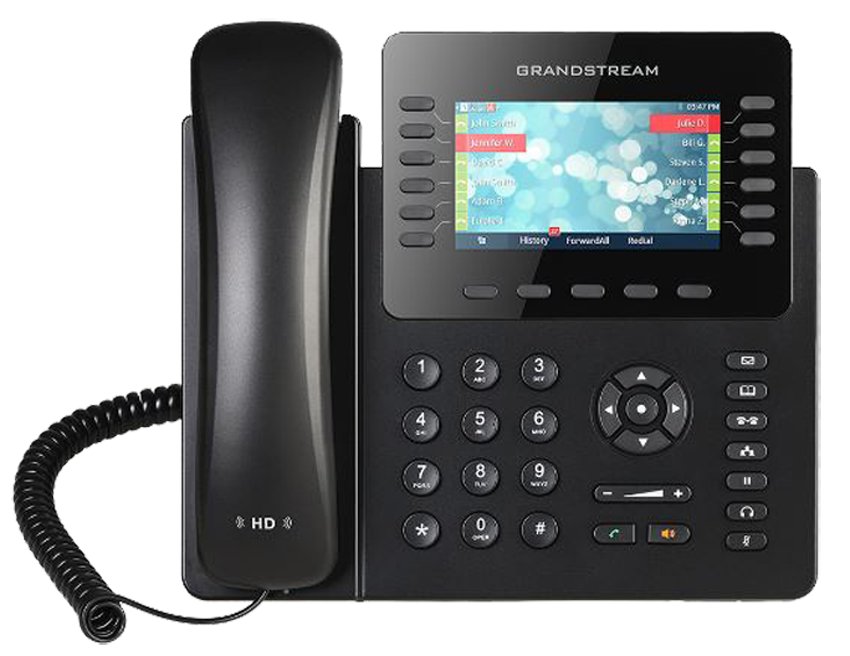
Grandstream Devices: Powering Seamless, Scalable Business Connections
Grandstream’s devices are redefining how businesses approach their communication infrastructure, making it more seamless, scalable, and reliable. Their IP phones, particularly the GRP series, are designed for quick deployment across multiple locations without compromising quality or manageability. These devices integrate effortlessly into existing networks, enabling IT teams to expand communication capabilities as the organization grows, with minimal disruption.
A major strength of Grandstream’s offerings lies in their support for cloud management through the Grandstream Device Management System (GDMS). This centralized platform allows administrators to configure, monitor, and update hundreds of devices remotely. With GDMS, maintenance becomes more straightforward, reducing errors and freeing up valuable time. Whether onboarding new staff or rolling out new features, businesses can keep their networks running smoothly with just a few clicks.
Deploying large-scale setups is simplified with Grandstream’s support for zero-touch provisioning. New phones can be pre-configured and shipped directly to users, where they automatically download their settings once connected. This approach slashes deployment time and lowers technical overhead—making it ideal for organizations that need rapid expansion, like retail chains or distributed teams. It also ensures consistency across locations, maintaining a unified communication experience.
Call quality and network performance are priorities for Grandstream devices. Many models feature dual Gigabit Ethernet ports, supporting faster, more stable connections that are essential during busy periods. Built-in Quality of Service (QoS) prioritizes voice traffic, reducing latency and ensuring crystal-clear conversations even amid network congestion. Security protocols embedded in these devices safeguard sensitive data, maintaining trust and compliance in every call.
The management tools provided by Grandstream extend beyond initial setup. Cloud provisioning and remote device management allow for quick adjustments to call flows, feature updates, or troubleshooting—all without disrupting daily operations. This agility enables organizations to adapt swiftly to changing needs, whether it’s integrating with new CRM systems or supporting remote workers. By simplifying management, Grandstream helps keep communication systems aligned with business goals.
Designed for growth, Grandstream’s hardware supports organizations from small startups to large enterprises. Smaller teams can start with a few devices and expand effortlessly, while larger companies benefit from centralized control and streamlined deployment processes. This scalability prevents the need for costly hardware replacements or complex upgrades, ensuring the communication network evolves alongside the business.
Network reliability is at the core of Grandstream’s solutions. Features like prioritized voice traffic, secure encryption, and automatic firmware updates contribute to a resilient system. These measures protect against vulnerabilities and ensure that calls are uninterrupted and of high quality, even during peak usage times. Reliable communication is vital for maintaining customer trust and operational continuity in today’s competitive landscape.
In essence, Grandstream’s devices provide more than just hardware—they deliver a comprehensive ecosystem that supports efficient, adaptable, and secure business communication. By combining advanced features, cloud management, and scalable design, they enable organizations to build networks that grow with them and respond swiftly to new challenges. In a world where connectivity is everything, Grandstream makes sure your communication infrastructure keeps pace, empowering your team to connect better, faster, and more reliably.