In an era dominated by screens and digital connections, could the simple act of gardening together unlock deeper bonds and promote healing? This compelling exploration reveals how shared outdoor efforts—planting, nurturing, and caring for plants—serve as powerful tools for fostering trust, patience, and emotional resilience. Through historical insights and cultural traditions, it becomes clear that gardens have long been spaces of community, spirituality, and connection across civilizations. Engaging with nature releases mood-boosting chemicals, reduces stress, and creates a calming environment conducive to honest communication and vulnerability. Practical strategies highlight how accessible tools and shared responsibilities transform gardening into meaningful rituals that deepen relationships over time. Ultimately, this work suggests that growth—whether in plants or in humans—requires patience, kindness, and consistent presence. Could tending to a garden together be the simple yet profound key to stronger, more resilient emotional bonds in our busy, digital world?
Reconnecting in a Digital Age Through Gardening
In today’s fast-paced digital world, it’s easy to feel disconnected from those around us. We spend hours scrolling through social media, exchanging quick messages, or glued to screens at work, often sacrificing genuine face-to-face interactions. This constant stream of digital noise can leave us craving more meaningful connections—moments of real presence and shared experience. That’s where gardening offers a surprisingly simple yet powerful way to bridge that gap.
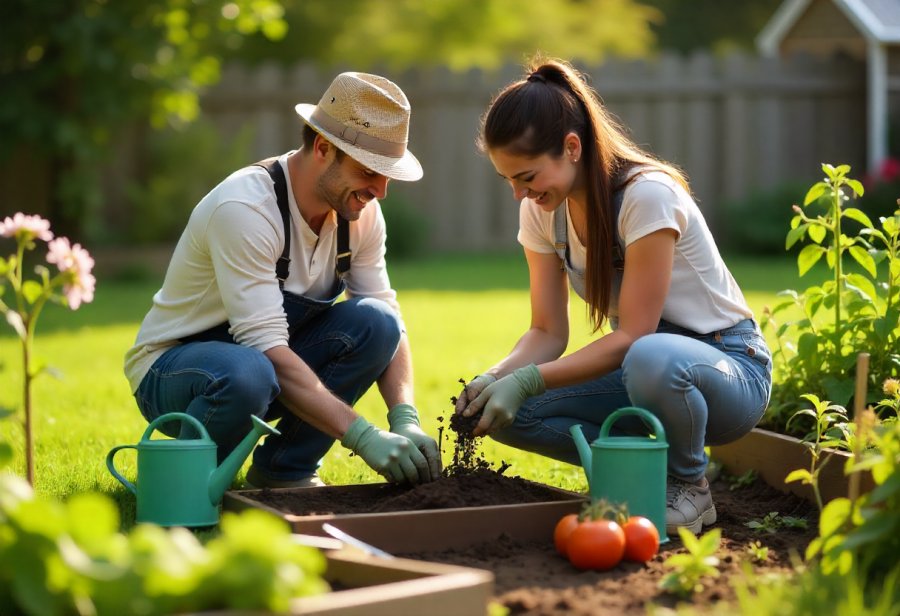
Tending to a garden together creates more than just a pretty space; it opens up opportunities for conversation, patience, and collaboration. As people work side by side—planting seeds, watering, or simply enjoying the outdoors—they build a sense of teamwork rooted in shared effort. These small acts of care often lead to deeper emotional bonds, built through mutual support and the quiet satisfaction of nurturing life. It’s a gentle reminder that true connection happens in presence, not just through digital exchanges.
Gardening also provides a calming escape from everyday stress. Spending time in nature triggers a relaxation response—reducing stress hormones and releasing mood-boosting chemicals like endorphins. When shared with others, these benefits multiply, turning gardening into a form of outdoor therapy that strengthens relationships. Working together in this way fosters trust and openness, creating a safe space for honest conversations and emotional vulnerability.
In an age dominated by screens, gardening encourages us to slow down and reconnect with the natural world—and with each other. It invites us to be present, to listen, and to support one another without distraction. These shared moments of growth and care serve as powerful reminders that meaningful bonds flourish when rooted in shared intention and presence. Gardening becomes a simple act of mutual nurturing that can transform relationships, making them more resilient and genuine.
Recognizing the long history of gardens as communal spaces underscores their timeless role in fostering connection. From ancient civilizations to modern therapeutic gardens, tending to plants has always been about more than aesthetics—it’s been a way to bring people together. Gardens serve as living symbols of unity, patience, and shared purpose, proving that even today, working in the soil remains a meaningful path to emotional healing and bond-building.
Ultimately, gardening offers a tangible way to nurture both the earth and human relationships. Whether in a small balcony container or a sprawling backyard, caring for plants together reminds us that growth requires patience, kindness, and presence. These quiet, everyday acts of tending create the foundation for stronger, more resilient connections—proof that sometimes, the best way to heal and bond is simply to dig in and grow together.
Gardening’s Rich History as a Bonding Tradition
Gardening has always been more than just a way to cultivate plants; it’s a universal social activity that has historically brought people together across cultures and eras. In ancient Egypt, Mesopotamia, and China, gardens served as communal spaces where families and communities gathered not only to grow food but also to share stories, celebrate traditions, and strengthen bonds. These shared efforts fostered a sense of belonging that extended beyond individual households, weaving connections through collective labor and purpose.
Over centuries, the role of gardening evolved from necessity to a symbol of social cohesion and cultural identity. In many societies, tending a garden was intertwined with rituals and communal events that reinforced relationships. Whether through communal farming, city parks, or family plots, these activities promoted patience, cooperation, and mutual support—cornerstones of resilient communities and emotional ties. When people worked side by side, they exchanged more than labor; they shared stories, laughter, and a sense of unity.
Different cultures developed unique approaches to gardening as a bonding practice. In Japan, Zen gardens emphasize mindfulness and spiritual reflection, transforming caring for plants into a meditative act that nurtures inner peace. African urban gardens often serve as vital social hubs for food sharing and community resilience, fostering a sense of collective pride. Latin American gardens burst with vibrant colors and diverse plantings, celebrating cultural identity and fostering pride in shared heritage. These varied traditions illustrate that gardening is a universal language of connection, adaptable to different values and social structures.
Historically, gardens have also held spiritual significance. The Hanging Gardens of Babylon symbolized divine power and unity, while Chinese imperial gardens were places for philosophical reflection and spiritual harmony. These sacred spaces encouraged a collective sense of purpose, illustrating that tending to plants can nourish both body and soul. Such traditions reveal that the act of caring for greenery is deeply rooted in the human experience of community, spirituality, and cultural expression.
The mid-20th century marked a shift as mental health professionals recognized gardening’s therapeutic potential. Community gardening programs and therapeutic gardens emerged as spaces where shared effort could promote emotional well-being. These initiatives underscored a simple truth: working with nature and others encourages trust, cooperation, and emotional resilience—values that transcend time and culture.
Ancient and modern practices show that gardening’s power lies in its ability to unite people through shared effort, patience, and care. Whether as a spiritual ritual, a cultural tradition, or a healing activity, gardens serve as living symbols of community and connection. They remind us that tending to the earth is a universal act that can forge bonds, foster resilience, and nurture a collective sense of belonging across generations.
Understanding this deep-rooted history enriches our appreciation of gardening as a social activity. It’s more than aesthetics or practicality; it’s a timeless way to bring people together, creating spaces where relationships can flourish amid the shared rhythm of planting, nurturing, and growth. These traditions continue to inspire us today, proving that the roots of gardening run deep in the human need for connection.
Harnessing Nature’s Healing Power for Relationships
Spending time in nature has a profound effect on our emotional well-being, and gardening is a gentle yet powerful way to tap into that natural healing energy. Being outdoors, surrounded by greenery, flowers, and the soothing sounds of nature, triggers a relaxation response in our bodies. This reduces cortisol levels—the hormone linked to stress—and releases mood-boosting chemicals like endorphins, helping us feel calmer and more balanced. Sharing this outdoor space amplifies these benefits, creating a restorative environment where relationships can flourish.
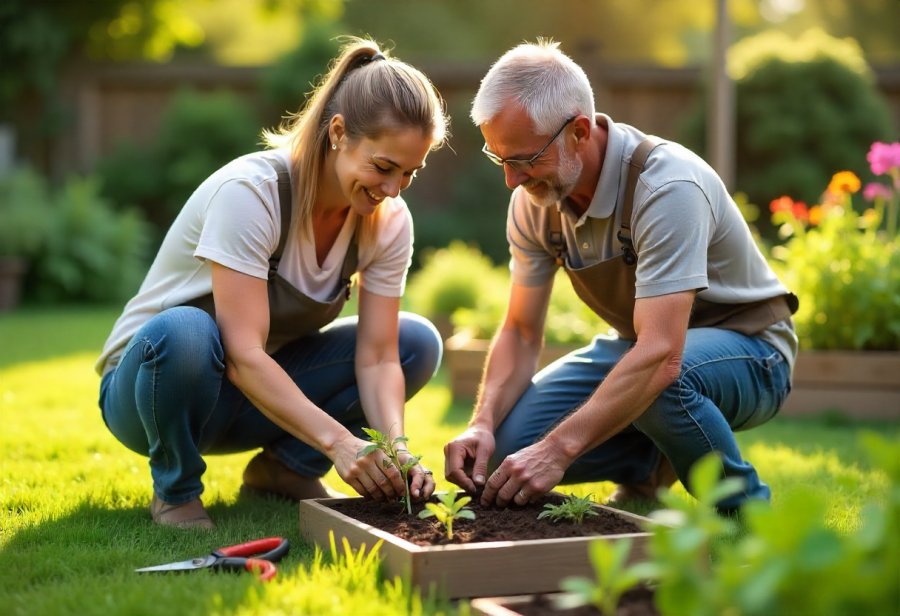
Working side by side in a garden encourages teamwork and open communication. Planting, watering, or weeding together establishes a rhythm that fosters mutual support and trust. These shared tasks provide a sense of accomplishment, making it hard to feel isolated, and often lead to deeper emotional bonds. The act of nurturing life together creates a natural conversation starter and a space for genuine connection, built through effort and shared purpose.
Nature also cultivates mindfulness—a state of being fully present without distraction. Engaging with soil, flowers, and natural textures pulls us into the moment. Focusing on sensory details like the scent of blooming plants or the feel of soil in our hands helps quiet worries and negative thoughts. Gardening becomes a meditative practice that not only soothes the mind but also encourages emotional openness, especially when done with a partner or friend.
Physical activity in the garden plays a vital role in mental health. Gentle movements like digging or pruning release endorphins, lifting mood and increasing resilience. When these activities are shared, they reinforce a sense of purpose and teamwork, strengthening bonds through the mutual effort. The simple act of caring for plants becomes a shared journey of growth, both in the garden and in relationships.
The calming influence of nature creates a safe space for honest conversations and vulnerability. Unlike structured settings, gardens invite us to be ourselves—supporting empathy and understanding. Over time, these moments of shared effort and reflection help build trust, making relationships more resilient and open. Gardening becomes a quiet yet powerful way to nurture emotional intimacy, rooted in patience and presence.
Research continues to validate the connection between nature and emotional health. Green spaces reduce loneliness, promote resilience, and foster a sense of belonging. When combined with social activity, like gardening, these benefits multiply. Nature acts as a catalyst for healing, helping us reconnect with ourselves and each other in a gentle, authentic way.
Ultimately, the healing power of nature extends beyond physical health. It touches our emotional and social lives, providing a peaceful setting to nurture bonds. Gardening offers a unique blend of sensory engagement, physical activity, and shared purpose that naturally deepens relationships. In a busy, digital world, tending to plants together reminds us that growth—like all meaningful connections—requires patience, care, and presence.
Practical Ways to Grow Closer with Gardening Techniques
To foster stronger bonds through gardening, the right tools and a supportive mindset are key. Using comfortable, ergonomic tools like lightweight trowels, gloves, and watering cans makes participation easier and more enjoyable for everyone. When the equipment is accessible and simple to handle, it shifts the focus from frustration to connection, encouraging collaboration regardless of age or skill level. This small adjustment helps create an inclusive environment where all can contribute and feel valued.
Dividing tasks based on individual strengths and interests keeps the experience engaging and meaningful. Some might enjoy planting seeds, while others prefer watering or harvesting. When each person gets to do what they enjoy, the activity becomes a shared effort rooted in mutual support. Celebrating those contributions fosters appreciation and deepens emotional ties, transforming gardening from a chore into a bonding ritual.
Approaching gardening with patience, curiosity, and kindness changes the entire dynamic. Instead of stressing over perfection, focusing on the process invites conversations and shared reflection. Celebrating small successes—like a sprout breaking through or a flower blooming—reinforces a sense of achievement and pride in the collective effort. This mindset nurtures a positive atmosphere where setbacks become opportunities to learn and grow together.
Adding creative elements turns routine gardening into memorable moments. Decorating plant markers, painting stones, or organizing themed planting days spark imagination and foster collaboration. These personal touches encourage everyone to express themselves and take ownership of the space, strengthening the sense of working toward a common goal. Creative involvement makes the activity more engaging and memorable, reinforcing emotional bonds.
Regular check-ins or moments of reflection during gardening sessions deepen understanding and trust. Sharing thoughts on progress or challenges creates a safe space for honest dialogue. These conversations build empathy and mutual respect, transforming gardening into a meaningful exchange rather than just physical labor. Over time, this ongoing communication reinforces emotional connections, making the shared activity more rewarding and impactful.
Cultivating Deep Connections: Reflecting and Moving Forward
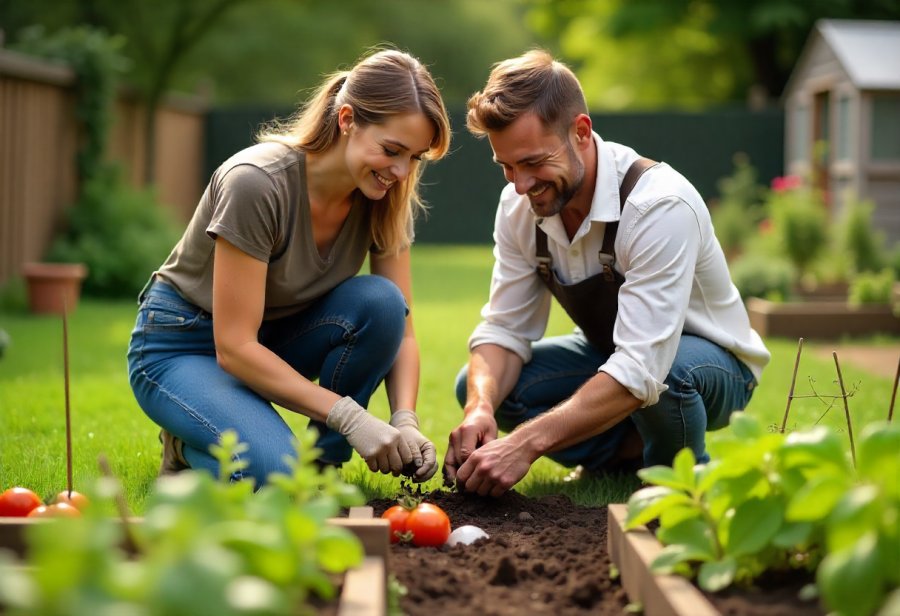
Gardening together shows us that building strong emotional bonds doesn’t require grand gestures. Often, it’s the simple acts—planting, watering, and watching life grow—that lay the foundation for trust and understanding. These small, consistent efforts encourage open communication and patience, helping relationships deepen naturally over time. When people work side by side, supporting each other through setbacks and celebrating each success, their connection extends beyond words, rooted in shared care and effort.
Research and personal stories reinforce that engaging with nature can significantly boost mental health and emotional resilience. Gardening creates a calming environment where individuals can reflect, share feelings, and reconnect with themselves and others. These shared moments foster vulnerability and empathy, making trust easier to build and strengthen. As both the plants and relationships flourish, the bonds become more resilient, capable of weathering life’s inevitable challenges.
Applying gardening as a way to deepen relationships isn’t about perfection or constant achievement. It’s about presence and intention—approaching each session with patience and curiosity transforms the activity into a meaningful ritual. Celebrating small milestones, like the first sprout or a blooming flower, offers tangible symbols of growth and shared pride. These moments serve as gentle reminders that progress in relationships, much like in a garden, takes time and consistent nurturing.
Creating opportunities for reflection enhances this process further. Regular check-ins or simple conversations about the garden’s development encourage honest dialogue. These exchanges cultivate empathy and mutual respect, turning a routine activity into a shared journey of learning and support. Over time, such ongoing engagement weaves a fabric of trust and understanding, making the connection more profound and enduring.
Thinking ahead, integrating gardening into daily life offers a steady, calming touchstone. Whether tending a small balcony container or a larger plot, caring for plants becomes a daily act of patience, kindness, and shared purpose. Watching relationships grow alongside the garden reinforces that meaningful bonds require ongoing effort, even amid busy or stressful times. It’s a gentle but powerful reminder that consistent care yields the deepest roots.
This approach also highlights that meaningful connection often emerges in quiet, simple moments—those rooted in patience, presence, and shared effort. Gardening becomes a form of mutual care that reflects broader life lessons: growth takes time, nurturing requires kindness, and resilience blossoms through steady attention. These lessons extend beyond the garden, enriching all facets of our relationships and daily interactions.
As we look to the future, embracing gardening as a tool for connection encourages us to slow down and prioritize genuine presence. It offers a way to bridge the digital gap and reintroduce heartfelt interaction into our lives. The lessons learned in tending to plants—patience, attentiveness, and shared effort—can ripple outward, strengthening bonds in every part of our lives and fostering a deeper sense of community.
In nurturing life together, we also nurture ourselves and each other. Gardening provides a tangible way to invest in emotional well-being, resilience, and connection. By caring for plants side by side, we learn that growth—like all meaningful relationships—requires patience, kindness, and consistent effort. These shared experiences remind us that the deepest bonds are cultivated through small, everyday acts of presence and care.