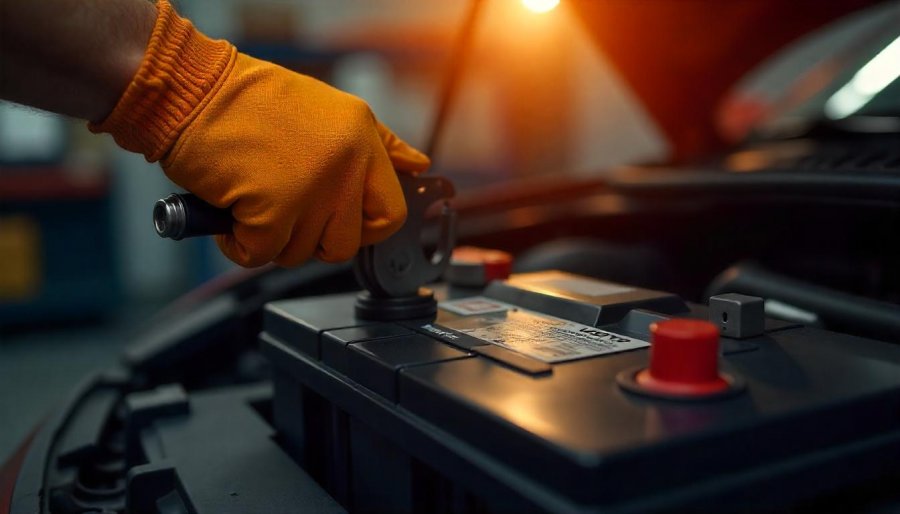
Step into the intimate world of the backyard mechanic’s garage—a sanctuary where passion, patience, and craftsmanship intertwine. It’s more than just a space for fixing cars; it’s a personal retreat that preserves automotive history, nurtures skills, and fosters a deep emotional connection to machines. From vintage restorations to modern troubleshooting, these garages embody tradition and innovation, blending old-school techniques with new technology. Assembling the perfect workshop on a budget, mastering hidden secrets, and embracing the ritual of repair transform rusted relics into masterpieces—and lives into stories of perseverance. But what secrets lie behind these walls that elevate a simple project into a labor of love? As this space becomes a hub of creativity and resilience, it reveals that the true heart of automotive restoration isn’t just the vehicle—it’s a reflection of patience, pride, and an enduring passion for revival.
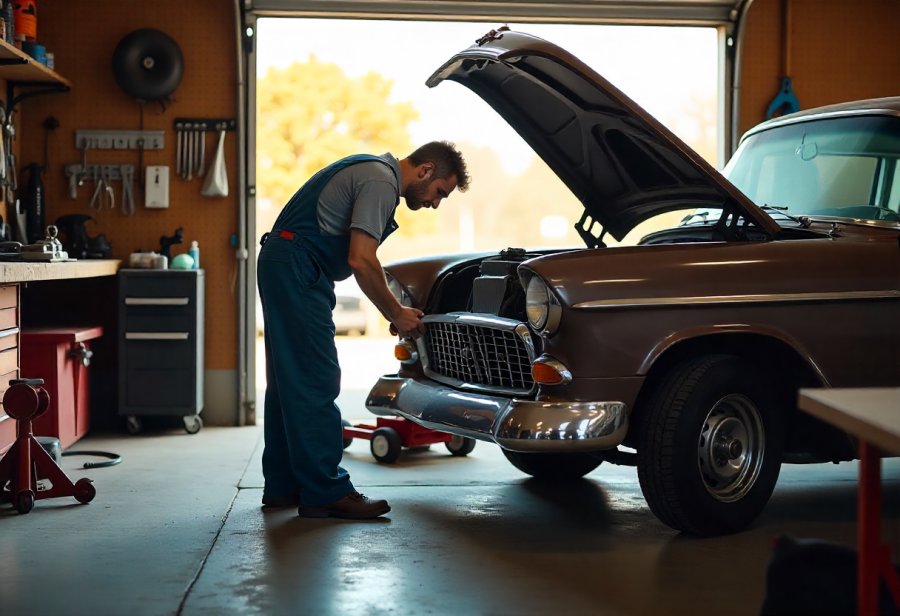
A Sanctuary of Passion and Craftsmanship in Your Backyard Garage
There’s something uniquely satisfying about stepping into a backyard mechanic’s garage. It’s more than just a storage space for tools or vehicles; it’s a personal sanctuary where a passion for cars and craftsmanship comes alive. The air is thick with the scent of oil, gasoline, and old rubber—scents that tell stories of hours spent tinkering, restoring, and perfecting. Walls are often lined with pegboards holding a carefully curated arsenal of wrenches, screwdrivers, and specialized tools, each within easy reach. The workbench, cluttered with grease-stained rags and parts, reflects decades of hands-on learning and dedication.
This space isn’t just functional—it’s deeply personal. For many enthusiasts, the garage mirrors their identity, a place where patience and skill are poured into every project. It’s a quiet retreat from the hustle of daily life, where time slows down, and focus sharpens. Whether working on a vintage Mustang or fine-tuning a modern engine, the garage becomes a sanctuary of craftsmanship and passion. It’s where mastery is built, and skills are passed from one project to the next.
More than just a workshop, the garage fosters emotional connection. Restoring an old car isn’t merely about fixing a machine—it’s about preserving a piece of history and family tradition. Every scratch and dent on the body tells a story of perseverance, love, and patience. These garages may be cluttered, but they’re organized in a way that makes sense to their owners—embodying a love for vintage cars and mechanical mastery. Within these walls, every bolt tightened and wire connected signifies more than just repair—it’s a personal ritual, a moment of reflection and pride.
For many, the garage is a space for reflection, where creativity and problem-solving go hand in hand. It’s a place where patience is rewarded, and the rhythm of wrenching becomes almost meditative. Each project, whether big or small, adds a layer of satisfaction and a sense of accomplishment. Over time, that space becomes a tangible extension of their passion—a workshop that nurtures skill, patience, and pride. It’s a refuge where technical mastery and personal fulfillment intertwine seamlessly.
Beyond the physical, these garages serve as catalysts for stories and traditions. Restoring a vintage car often involves passing down knowledge from generation to generation, turning the garage into a living archive of mechanical history. It’s a space where mistakes become lessons, and successes forge confidence. The act of restoring and maintaining cars transforms into a meaningful ritual, connecting hobbyists to a larger community rooted in craftsmanship and passion.
In essence, the backyard garage is more than just a workspace—it’s a haven of passion and craftsmanship. It’s a place where time slows, skills sharpen, and stories are built one bolt at a time. For those who cherish the art of restoration, it’s a sacred space that embodies dedication, patience, and a love for the machines that have captured their hearts.
Preserving Automotive Heritage: The Deep Roots of Backyard Mechanics
The culture of backyard mechanics runs deep, rooted in a time when owning and maintaining a car symbolized independence and self-reliance. Before the rise of widespread professional repair shops, many car owners learned to fix their vehicles themselves, transforming their garages into personal workshops filled with tools, spare parts, and a sense of pride. These spaces weren’t just practical; they became community hubs where stories of passing down mechanical knowledge from one generation to the next often revolved around the garage. This history elevates the personal garage from a simple workspace to a repository of automotive heritage.
For enthusiasts, the garage is more than a place to tinker—it’s a reflection of identity. Restoring vintage cars or working on neglected parts is a personal ritual that connects them to a tradition of craftsmanship stretching back decades. The process demands a sharp eye for detail, from rust removal to engine rebuilding, often involving troubleshooting complex problems accumulated over years. These skills are passed down through hands-on experience, helping preserve techniques that might otherwise fade in an increasingly automated world.
Despite the challenges posed by aging vehicles and rusted parts, restoration remains deeply rewarding. Turning a neglected relic into a shining symbol of revival requires patience and ingenuity. Each project becomes a testament to craftsmanship, transforming scrap into art. This dedication sustains a culture that values the tactile, the manual, and the personal—qualities that modern, automated repair often overlooks.
In recent years, technology has begun to reshape this scene. Portable diagnostic tools, online communities, and even 3D printing have made backyard restoration more accessible and innovative. These advancements complement traditional skills, enabling hobbyists to push their projects further while still honoring the craftsmanship that defines the culture. Yet, amid all the modern tools, the essence remains rooted in patience, skill, and a love for the mechanical.
This blend of old and new keeps the backyard mechanic culture alive and evolving. It proves that the garage is still a vital space for preserving automotive history and passing on skills. Here, passion and craftsmanship continue to thrive, reminding us that the heart of automotive restoration isn’t just the vehicle—it’s the personal stories, the shared knowledge, and the enduring love of machines.
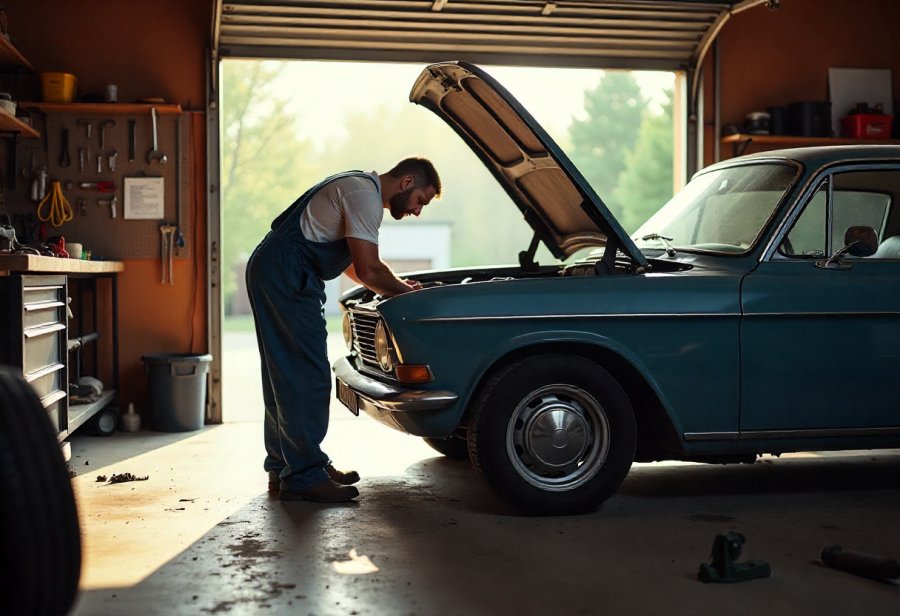
Modern Revival: The Vibrant Scene of Today’s Garage Enthusiasts
Today, the backyard mechanic scene remains surprisingly vibrant, seamlessly blending traditional passion with modern innovation. While professional repair shops dominate the industry, countless enthusiasts find genuine joy in working on their own cars within dedicated garages. These spaces serve as personal retreats, offering a sanctuary where vintage cars and craftsmanship can flourish without the pressures of commercial work. Thanks to portable diagnostic tools, online communities, and even 3D printing, restoring and tinkering have become more accessible and creatively fulfilling than ever before.
A garage today isn’t merely a storage area—it’s a hub of inspiration and relaxation. The familiar clink of tools and the hum of engines provide a comforting rhythm that helps hobbyists unwind and reconnect with their passion. Whether tuning a classic engine or troubleshooting electrical gremlins, these spaces nurture patience and problem-solving skills, transforming work into a rewarding ritual. The setup varies widely, from minimalist workbenches to fully equipped workshops with lifts and vintage tools—each reflecting the owner’s style and needs.
Recent technological advancements have pushed the boundaries of backyard restoration. Portable digital diagnostics simplify complex engine tuning, while 3D printing enables custom parts, saving time and money. Eco-friendly paints and sustainable materials make projects more environmentally conscious. Despite these innovations, traditional skills remain at the core. Hand tools, mechanical know-how, and patience continue to define the craft, with many hobbyists emphasizing the importance of passing down these techniques to preserve the culture.
This blend of the old and the new keeps the scene lively and relevant. Modern tech complements time-honored craftsmanship, allowing enthusiasts to push their projects further while maintaining a deep connection to the roots of backyard restoration. The garage remains a vital space for creativity, learning, and personal expression, proving that even in an automated age, the spirit of hands-on repair endures.
The personal stories emerging from these garages underscore their significance. Many hobbyists speak of how their space has transformed their daily lives—offering an escape from screens and routines, fostering patience, and building confidence. Restoring a vintage car or fixing a stubborn engine becomes more than a task; it’s a source of pride and a tangible sign of progress. These spaces nurture growth, patience, and a sense of achievement that extends beyond the workbench.
Ultimately, the garage is more than just a workshop. It’s a living testament to passion, craftsmanship, and resilience. In a world increasingly driven by automation, it stands as a reminder of the enduring value of manual skill, patience, and personal connection to machines. For many, it’s not just about restoring old cars—it’s about reviving a tradition and creating a space where passion can continue to thrive for generations to come.
Budgeting for Passion: Cost-Effective Strategies for Your Garage Workshop
Setting up a backyard garage for restoration doesn’t have to drain your savings, but it does require some strategic planning. Starting with the essentials, you can build a solid foundation with basic tools like wrenches, screwdrivers, and a sturdy workbench. Buying these second-hand or from local swap meets can significantly cut costs without sacrificing quality. These tools are the backbone of nearly every project, making them worth investing in early on.
As projects grow in complexity, adding equipment like engine hoists, lifts, and diagnostic tools will bump up your expenses. While these upgrades require a larger initial outlay, they open up new possibilities for repairs and make future projects more efficient. Budgeting for parts, paints, rust removers, and replacement components is equally important, as these ongoing costs can add up quickly, especially with vintage cars that often hide surprises beneath the surface.
Long-term, many backyard mechanics find that the benefits outweigh the costs. Having your own space means you avoid shop fees, scheduling delays, and can work at a relaxed pace. The pride in transforming a neglected vehicle into a showpiece makes the investment worthwhile. Building your garage bit by bit, purchasing tools as needed, spreads out costs and keeps the process manageable.
For those on tighter budgets, resourcefulness becomes key. Opt for second-hand tools, repurpose furniture for workbenches, and source parts from salvage yards or aftermarket suppliers. These strategies allow you to create a functional workspace without breaking the bank. Over time, each dollar spent adds to your growing skill set and personal satisfaction, making every project a step toward mastery.
Maintaining a dedicated garage isn’t just about money—it’s an investment in your passion and skills. Every tool and part contributes to a space that fuels creativity and learning. As you see your projects come to life, you’ll appreciate how the initial costs translate into countless hours of enjoyment, craftsmanship, and personal growth.
In the end, transforming a backyard into a workshop is a matter of patience and planning. With a clear budget and a resourceful mindset, you can turn a simple space into a sanctuary of passion and craftsmanship. The real reward isn’t just in the finished project but in the journey of learning, experimenting, and reviving the machines that capture your heart.
Transformative Power: How a Dedicated Garage Shapes Daily Life and Fulfillment
Having a dedicated garage for restoration and mechanical work can profoundly shape daily life in unexpected ways. It becomes more than just a workshop; it’s a personal retreat where hours slip by unnoticed as you get lost in a project. The sense of achievement that comes with bringing a neglected car back to life offers a boost of confidence and satisfaction that lingers long after the last bolt is tightened. This space turns routine moments into meaningful rituals—each task, whether tuning an engine or polishing a body panel, becomes a mindful act that helps disconnect from the chaos of everyday life.
For many hobbyists, the garage is a sanctuary of patience and persistence. It’s where skills are honed, and confidence grows with each successful repair. Over time, this space transforms from a cluttered shed into a hub of creativity and personal growth. Restoring vintage cars or fixing a stubborn electrical issue becomes more than just a task—it’s a source of pride and a tangible sign of progress. These projects often foster a sense of ownership and purpose, making even small improvements feel like personal victories.
Stories from backyard mechanics highlight how their garages influence more than just their vehicles. Mike started with a dusty, neglected Mustang and now sees his garage as a place of confidence and family bonding. Restoring that car didn’t just add shine to the paint; it strengthened patience, brought his family closer, and created shared memories. Similarly, Sarah’s garage became her creative haven, where she revived her grandfather’s vintage truck and shared her passion with friends, reinforcing her connection to family history and community.
The garage also becomes a space for lifelong learning. Jumping into a project without proper planning can be frustrating, but with patience and organization, it turns into a rewarding journey. Each success boosts confidence, encouraging experimentation and deeper engagement. Over time, this space fosters resilience, technical skill, and a deeper appreciation for craftsmanship—qualities that extend well beyond the workbench.
In many ways, the garage shapes a mindset rooted in craftsmanship, patience, and perseverance. Every project completed serves as a reminder that dedication transforms rust into revival and frustration into achievement. It’s a space that not only restores cars but also rebuilds confidence and character. The personal fulfillment cultivated here spills over into everyday life, inspiring a sense of mastery and resilience that lasts long after the garage door closes.
Far beyond its physical boundaries, the garage becomes a symbol of passion and resilience. It’s where stories of progress, failure, and perseverance intertwine, creating a lasting legacy of craftsmanship. This space is a testament to the enduring power of manual skill and personal connection—proof that even in a world moving toward automation, the art of repair and revival remains profoundly human.
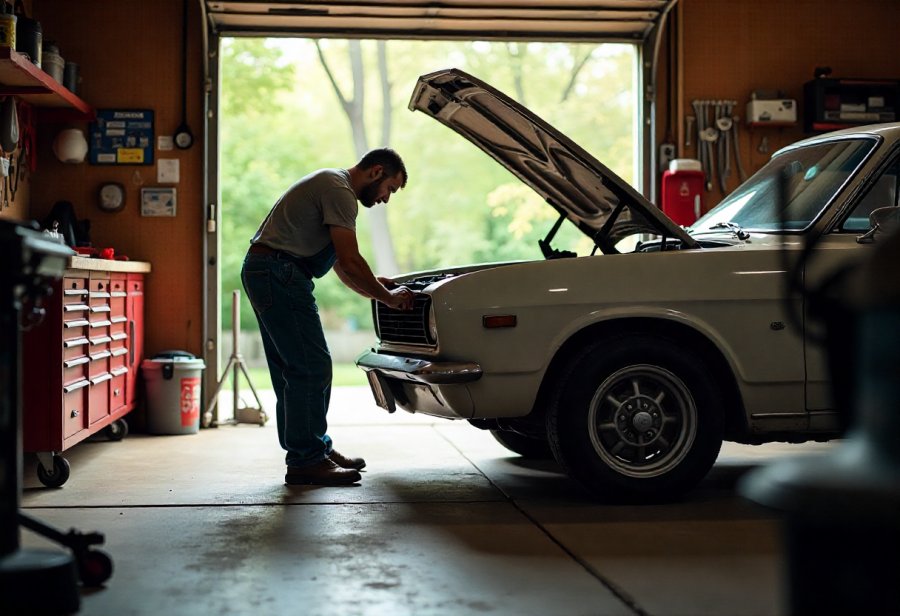
Garage Secrets Revealed: Hidden Tips and Tricks to Elevate Restoration Craftsmanship
Hidden garage secrets can make a significant difference in transforming a good restoration into something truly impressive. One often-overlooked trick is using a plastic scraper combined with a heat gun to gently lift rust or old paint. This method preserves the underlying metal and reduces the risk of warping, making sanding easier and resulting in a cleaner finish. It’s a simple, cost-effective technique that can save hours of work and frustration.
Another valuable tip involves creating custom jigs for precise engine timing or alignment. By repurposing scrap wood and metal, you can build fixtures that hold parts steady during critical adjustments. These DIY tools ensure accuracy and prevent costly mistakes, especially in tricky areas. Having a few of these jigs ready turns complex jobs into straightforward tasks, boosting your confidence and craftsmanship.
Magnetized screwdrivers also play a surprisingly big role in garage work. They keep tiny screws and nuts attached, preventing them from falling into tight spaces or getting lost. This small hack keeps your workspace cleaner and makes working on electrical components or small fittings much easier. Applying a light coat of WD-40 or rust penetrant before sanding can loosen stubborn rust and grime, leading to smoother removal and better surface preparation.
Speed up rust and paint removal by attaching abrasive pads or wire brushes to a drill. This approach accelerates the process and produces a more even surface than manual scrubbing. For delicate parts, however, hand tools are best to avoid damage. Matching your technique to the material and the task’s needs keeps your projects efficient and professional-looking.
Paying attention to surface preparation can elevate your work significantly. Gentle heating with a heat gun before scraping or sanding preserves metal integrity and results in a cleaner, more durable finish. These subtle techniques, often considered minor, make a noticeable difference in the longevity and appearance of your restored pieces.
Mastering these lesser-known secrets turns everyday garage work into true craftsmanship. They help you achieve smoother, cleaner results while saving time and effort. Incorporating these tips into your routine enhances your skills and transforms rust into revival, elevating your projects from routine repairs to works of mechanical art.